
What's Happening?
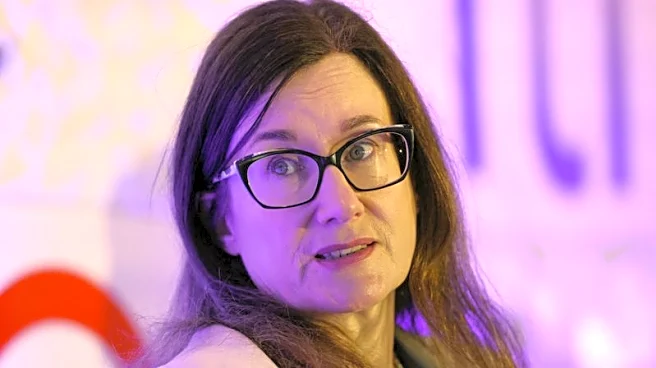
Former Deputy Assistant Secretary of Defense for the Middle East, Mick Mulroy, discussed recent drone strikes in Venezuela during an interview with ABC News' Andrew Dymburt. Mulroy suggested that the CIA
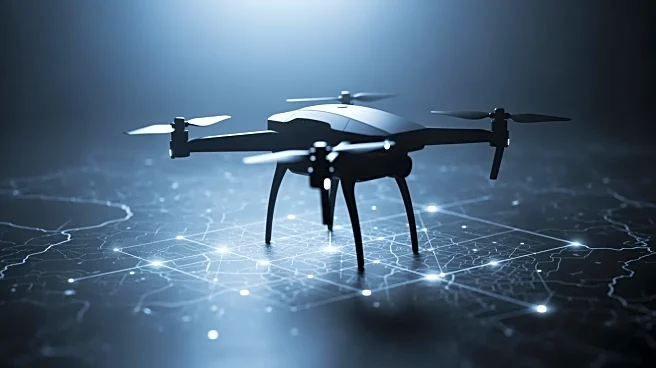
is likely involved in these operations, which could potentially lead to a regime change in the country. The strikes are part of a broader strategy to exert pressure on the Venezuelan government, which has been under scrutiny for its political and economic policies. The involvement of the CIA, as suggested by Mulroy, indicates a significant level of U.S. interest and intervention in the region's political dynamics.
Why It's Important?
The potential involvement of the CIA in drone strikes in Venezuela highlights the U.S. government's strategic interest in influencing political outcomes in the region. Such actions could have significant implications for U.S.-Venezuela relations and may affect regional stability. If these strikes lead to a regime change, it could alter the balance of power in South America and impact U.S. foreign policy objectives. Additionally, this development raises questions about the ethical and legal dimensions of using drone strikes as a tool for political change, which could spark debates on international law and sovereignty.
What's Next?
If the drone strikes continue and lead to a regime change, the U.S. may face international scrutiny and potential backlash from other nations. The Venezuelan government could respond with increased anti-U.S. rhetoric or seek alliances with other countries opposed to U.S. intervention. The situation may also prompt discussions within the U.S. government regarding the future of its foreign policy in Latin America, potentially influencing upcoming legislative or executive actions.
Beyond the Headlines
The use of drone strikes by the CIA in foreign countries raises broader ethical and legal questions about the limits of U.S. interventionism. It challenges the international community to consider the implications of such actions on global norms and the sovereignty of nations. This development could lead to increased calls for transparency and accountability in U.S. foreign operations, as well as debates on the role of intelligence agencies in shaping foreign policy.