








What's Happening?
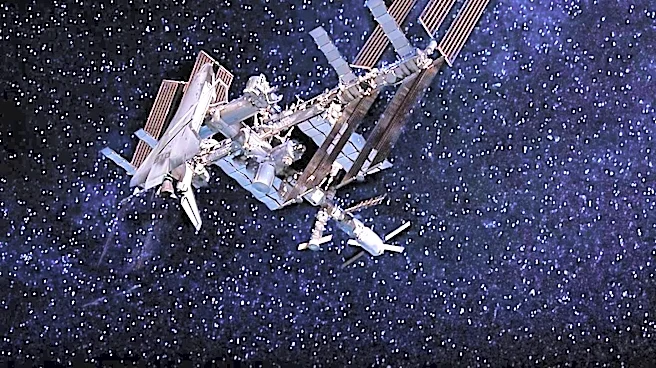
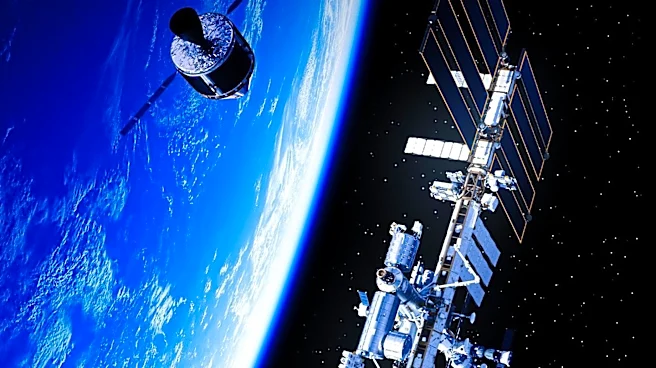
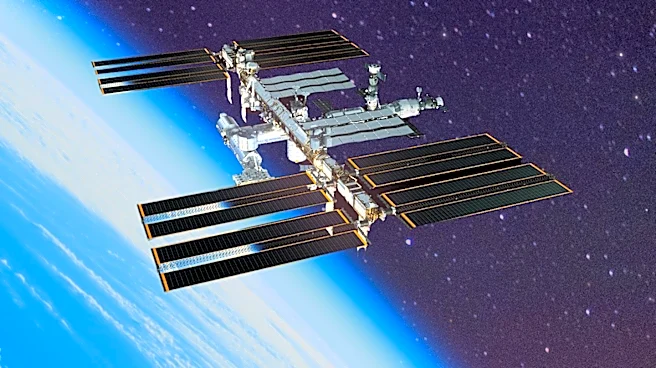
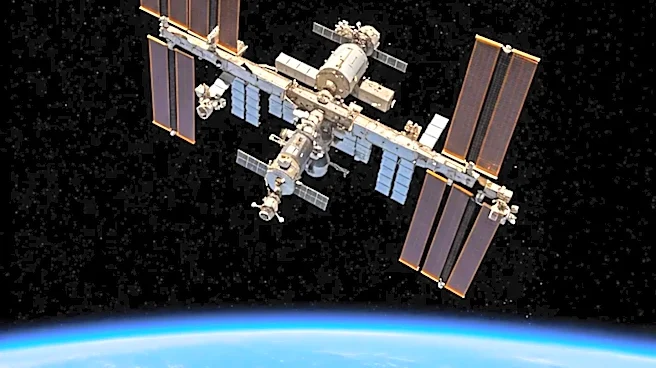
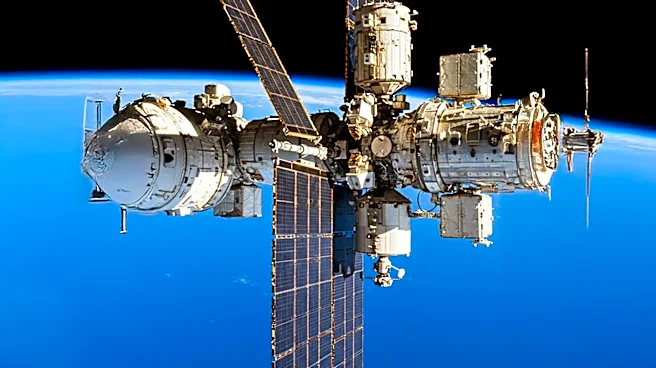
The International Space Station (ISS) represents a new era of international cooperation in space exploration, succeeding the Russian Mir space station. The ISS is a collaborative effort involving multiple countries, including the U.S. and Russia, and is seen
as a symbol of hope for a divided world. The station's construction and operation involve significant contributions from various nations, highlighting the potential for peaceful collaboration in space. The ISS aims to maintain a permanent human presence in space, with crews from different countries living and working together aboard the station.
Why It's Important?
The ISS serves as a testament to the potential for international cooperation in scientific and technological endeavors. It demonstrates how countries with differing political agendas can work together towards common goals, fostering peace and understanding. The station's success could pave the way for future collaborative projects in space and other fields, promoting global unity. Additionally, the ISS provides valuable scientific data and research opportunities that benefit humanity as a whole, advancing our understanding of space and its potential for future exploration.
What's Next?
The continued operation and expansion of the ISS will depend on sustained international collaboration and funding. As geopolitical tensions fluctuate, the commitment of participating countries to the ISS will be crucial. Future projects may include expanding the station's capabilities, increasing the number of international partners, and exploring new scientific research opportunities. The success of the ISS could inspire similar collaborative efforts in other areas, such as climate change and global health, where international cooperation is essential.