



What's Happening?
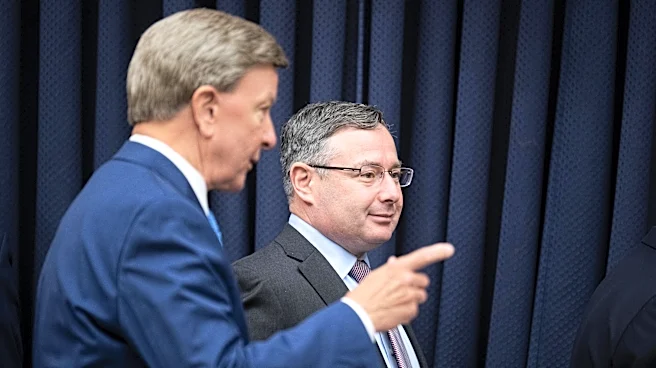
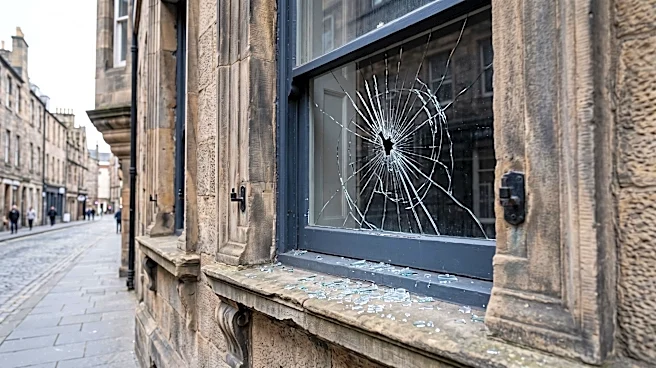
U.S. Ambassador to Belgium, Bill White, has requested increased security measures for an Orthodox synagogue in Brussels following an incident where a stone was thrown through one of its windows. Ambassador White visited the synagogue in the Anderlecht
district on November 7, accompanied by Israeli Ambassador to Belgium David Saranga. This visit occurred after the late October incident. Ambassador White stated his intention to urge Belgian authorities to deploy soldiers outside the synagogue for additional protection, indicating that this action was taken at the request of President Trump. The synagogue, situated on Rue de la Clinique in Anderlecht, serves the local Orthodox Jewish community. While Ambassador White described the damage as an attack targeting the synagogue, Belgian authorities have not yet confirmed the incident as deliberately antisemitic, and investigations into the circumstances are ongoing. Belgian broadcaster BX1 documented the ambassador's visit and his interactions with community members outside the synagogue.
Why It's Important?
This event highlights ongoing security concerns for Jewish institutions in Europe and the proactive involvement of U.S. diplomatic efforts in addressing them. The call for increased security by a U.S. Ambassador, reportedly at the behest of President Trump, underscores the U.S. government's commitment to protecting religious communities abroad and its stance against potential antisemitic acts. The incident, regardless of its official classification by Belgian authorities, raises awareness about the vulnerability of religious sites and the need for robust protective measures. It also places pressure on Belgian authorities to respond to these concerns, potentially influencing their security policies for religious and cultural sites. The involvement of both U.S. and Israeli ambassadors signifies a unified diplomatic front in advocating for the safety of Jewish communities, reflecting broader international efforts to combat religious intolerance and ensure security.
What's Next?
Ambassador White is expected to formally press Belgian authorities to station soldiers outside the synagogue to enhance its security. The outcome of these discussions will determine the immediate security posture around the synagogue and potentially other vulnerable religious sites in Belgium. Belgian authorities will continue their investigation into the late October incident to ascertain whether it was a deliberate antisemitic act or an isolated act of vandalism. The findings of this investigation could influence public perception and policy responses. The incident may also prompt broader discussions within the Belgian government and law enforcement agencies regarding the protection of religious minorities and the allocation of security resources. The international attention generated by the ambassadors' visit could lead to increased scrutiny of Belgium's efforts to combat antisemitism and protect its Jewish community.
Beyond the Headlines
The incident in Brussels, and the subsequent diplomatic response, touches upon deeper issues of religious freedom, community safety, and international relations. The U.S. Ambassador's direct involvement, citing a request from President Trump, signals a strong U.S. commitment to intervening in matters concerning the security of religious minorities globally, particularly Jewish communities. This could set a precedent for similar interventions in other countries where religious sites face threats. The differing interpretations of the incident—whether it was an 'attack' as characterized by the Ambassador or an unconfirmed act by Belgian authorities—underscore the complexities of defining and responding to hate-motivated crimes. This situation also highlights the role of diplomatic pressure in shaping local security policies and the ongoing challenge for European nations to balance civil liberties with the need for enhanced security measures in the face of rising concerns about extremism and intolerance.