



What's Happening?
The U.S. Army has introduced a new competition called Best Drone Warfighter, aimed at identifying and enhancing the skills of its drone operators. This inaugural event took place at the University of Alabama in Huntsville, drawing participants from various
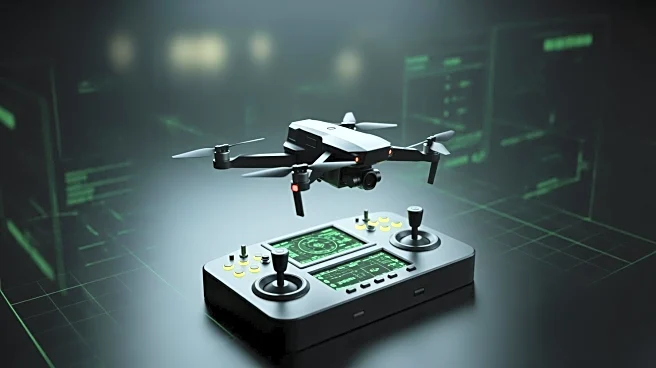
Army components, including active, Reserve, and National Guard units. The competition is designed to evaluate the capabilities of soldiers in operating unmanned aerial systems (UAS) and to determine the best practices for integrating these operators into frontline units. The event featured two main challenges: a race through an obstacle course using first-person viewer drones and a hunter-killer scenario where soldiers had to identify and target high-value objectives. The competition also included an innovation segment where participants could showcase custom drone builds and piloting skills. The Army is moving away from its traditional model of training drone operators within its aviation branch, opting instead to integrate UAS operators into infantry and armor units. This shift aims to enhance the effectiveness and lethality of drone operations by improving communication and coordination among soldiers.
Why It's Important?
The introduction of the Best Drone Warfighter competition reflects the growing importance of drone technology in modern military operations. By identifying the best drone operators and understanding the skills and training that contribute to their success, the Army can improve its overall operational capabilities. This initiative is particularly significant as it aligns with the Army's broader strategy to integrate advanced technologies into its combat units, thereby enhancing their effectiveness on the battlefield. The competition also highlights the need for standardized equipment and training protocols, which can lead to more efficient and effective use of drones in various combat scenarios. As drones become increasingly integral to military strategy, the ability to operate them effectively will be crucial for maintaining a tactical advantage.
What's Next?
Looking ahead, the Army plans to incorporate more realistic scenarios into future competitions, including challenges related to electronic warfare and jamming threats, similar to those encountered by Ukrainian troops. This focus on real-world applications will help ensure that U.S. soldiers are well-prepared for the complexities of modern warfare. Additionally, the Army aims to develop a standardized packing list for drone operators, addressing questions about the optimal number of drones, batteries, and controllers to carry. These efforts are part of a broader initiative to refine the role of drone operators within the Army and to ensure that they are equipped with the necessary skills and resources to succeed in their missions.