




What's Happening?
South Dakota Governor Larry Rhoden hosted a bridge dedication ceremony in Rapid City, honoring U.S. Army Air Forces First Lieutenant Laurence E. Radlinger, a World War II hero. The Highway 16B bridge was named in Radlinger's memory as part of the state’s
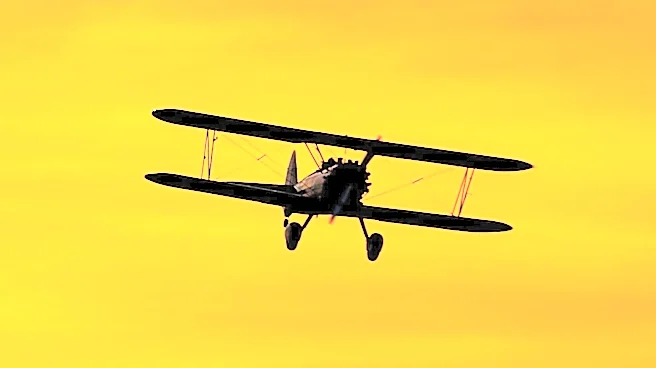
Fallen Heroes Bridge Dedication Program, an initiative launched in 2019. Lieutenant Radlinger, originally from Kadoka, was killed on December 9, 1944, in northern France. He and his firefighting platoon rushed to a crashed B-26 bomber, which was still carrying 250-pound demolition bombs, to rescue injured airmen. After successfully pulling two airmen to safety, the bombs detonated, killing Radlinger and all twenty members of his platoon. For their extraordinary valor, Radlinger and his platoon were posthumously awarded the Soldier’s Medal. Governor Rhoden emphasized that bridges are strong structures that reconcile and hold things together, much like the selfless service of individuals like Lieutenant Radlinger. Radlinger's niece, Debbie Radlinger, was present to unveil the official road sign.
Why It's Important?
This dedication is important as it serves as a lasting tribute to the sacrifices made by South Dakotans in military service, reinforcing the state's commitment to honoring its fallen heroes. The Fallen Heroes Bridge Dedication Program, through its ongoing efforts, ensures that the stories and sacrifices of individuals like Lieutenant Radlinger are not forgotten. By naming public infrastructure after these heroes, the program integrates their legacy into the daily lives of citizens, prompting reflection on the cost of freedom. This initiative also provides a tangible connection for families of fallen service members, offering a public acknowledgment of their loved ones' contributions. The program helps to preserve historical memory and instill a sense of patriotism and gratitude within the community, highlighting the values of courage and selflessness exemplified by those who served. Such acts of remembrance are crucial for maintaining a strong civic identity and honoring the nation's military heritage.
What's Next?
The Fallen Heroes Bridge Dedication Program will continue to identify and honor other South Dakotans who were killed in action or remain missing in action, with more bridge dedications expected in the future. To date, 90 bridges have been dedicated to honor 96 South Dakota service members, indicating an ongoing commitment to this initiative. These ceremonies will likely continue to involve state officials, local veterans, and family members, ensuring that each dedication is a meaningful event. The program's continued implementation will further embed the memory of these heroes into the state's landscape and public consciousness. Additionally, the visibility of these dedicated bridges may inspire educational efforts to inform the public, particularly younger generations, about the historical significance of these individuals and the conflicts in which they served. The program's success could also encourage other states to adopt similar initiatives to honor their own fallen service members.
Beyond the Headlines
The dedication of the Highway 16B bridge to Lieutenant Laurence E. Radlinger transcends a simple naming ceremony; it represents a profound cultural and ethical commitment to collective memory and gratitude. In an era where historical events can sometimes fade from public consciousness, programs like the Fallen Heroes Bridge Dedication serve as vital anchors, ensuring that the sacrifices made for national security are perpetually recognized. This initiative fosters a sense of continuity between past and present generations, reminding citizens of the enduring values of courage, duty, and selflessness. Ethically, it underscores society's obligation to honor those who paid the ultimate price, providing solace to their families and reinforcing the moral fabric of the community. The physical presence of these dedicated bridges transforms ordinary infrastructure into symbols of remembrance, prompting daily reflection on the freedoms enjoyed and the sacrifices that secured them. This ongoing act of remembrance contributes to a deeper understanding of national identity and the shared heritage of military service.