
What's Happening?
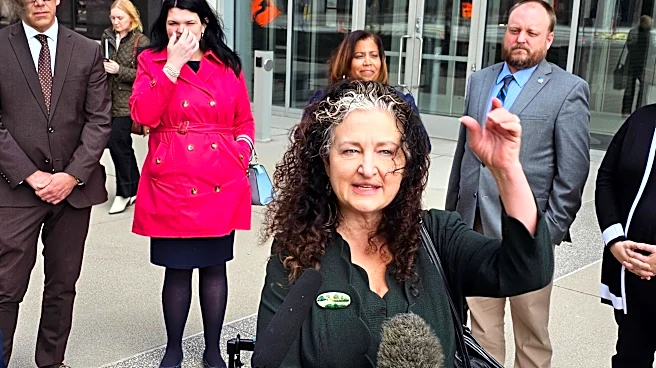
A federal appeals judge has ruled that no changes can be made to the slavery exhibits at the President's House site in Philadelphia. This decision comes after the National Park Service announced new exhibits on its website,
which sparked controversy. The site, part of Independence National Historical Park, was once home to Presidents George Washington and John Adams. It includes exhibits about nine enslaved individuals who lived there. The Trump Administration had previously ordered the removal of these displays as part of an executive order aimed at 'Restoring Truth and Sanity to American History.' The judge's ruling maintains the current exhibits while legal proceedings continue.
Why It's Important?
The ruling is significant as it preserves the historical integrity of the President's House site, ensuring that the stories of enslaved individuals are not erased or altered. This decision highlights ongoing debates about how American history, particularly regarding slavery, should be presented and remembered. The controversy reflects broader societal discussions about historical representation and the importance of acknowledging uncomfortable truths. The ruling also underscores the role of the judiciary in mediating disputes over historical narratives and public memory.
What's Next?
The legal battle over the exhibits is expected to continue, with potential implications for how historical sites across the country present narratives about slavery and other sensitive topics. Stakeholders, including historians, activists, and government officials, will likely engage in further discussions about the site's future. The National Park Service may need to reassess its approach to historical exhibits in light of public and judicial scrutiny. The outcome of this case could influence similar disputes at other historical sites.