
What's Happening?
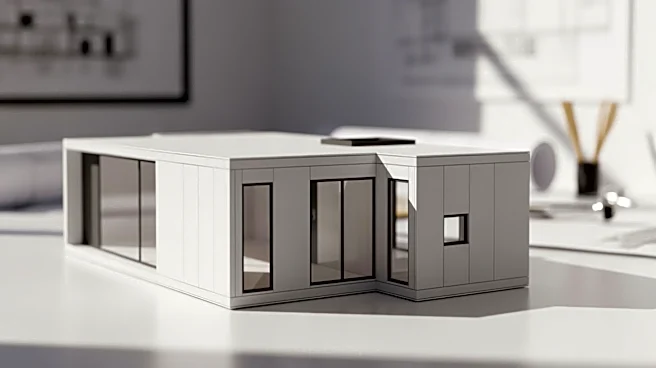
The United States faces a shortage of 4.03 million homes, and factory-built housing is being proposed as a viable solution to this crisis. Factory-built homes, also known as pre-fab or modular housing, offer the potential to reduce construction time and material
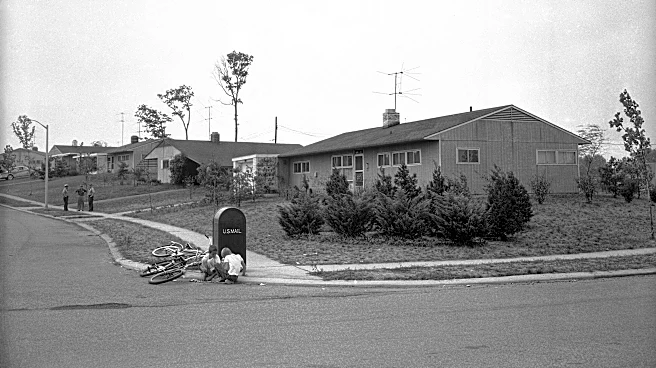
waste, allowing for year-round productivity in regions with weather constraints. These homes can be built entirely in a factory and delivered to sites, making them suitable for affordable housing projects. However, challenges remain, including the need for better data classification and overcoming the stigma associated with manufactured housing. Legal hurdles also persist, with zoning changes and regulatory strides needed to facilitate the growth of this housing type.
Why It's Important?
Factory-built housing presents a promising alternative to traditional construction methods, offering potential cost savings and efficiency improvements. As the U.S. grapples with a significant housing shortage, adopting factory-built housing could help meet the demand for affordable homes, particularly in underserved areas. The approach could revolutionize the homebuilding industry by providing cheaper, safer, and faster housing solutions. However, success depends on overcoming legal and regulatory barriers, as well as changing public perceptions about manufactured housing. If implemented effectively, factory-built housing could play a crucial role in addressing the nation's housing crisis.
What's Next?
The future of factory-built housing in the U.S. will depend on continued legal and regulatory changes to support its growth. Stakeholders, including policymakers, developers, and industry leaders, will need to collaborate to address zoning issues and streamline regulations. Increased demand for offsite construction materials is expected, with projections indicating growth through the end of the decade. As more states consider zoning changes, the industry could see expanded opportunities for development. Monitoring these changes and adapting strategies accordingly will be essential for the successful integration of factory-built housing into the broader housing market.