

What's Happening?
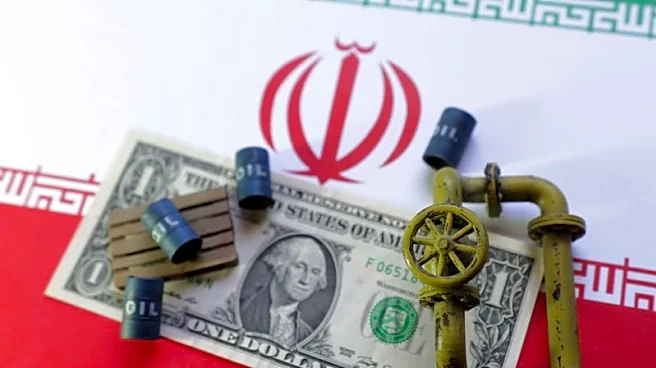
Oil prices have surged as traders react to the possibility of a U.S. military strike on Iran. President Trump has issued warnings to Iran, suggesting that time is running out for the country to negotiate a deal. This geopolitical tension has led to significant
movements in the oil market, with WTI oil testing new highs and Brent oil rallying above the $70.00 level. The market's response is driven by fears of supply disruptions, which have been exacerbated by the potential for military conflict. The Energy Information Administration's report on natural gas storage also contributed to market movements, as it indicated a decrease in storage levels, further influencing energy prices.
Why It's Important?
The potential for a U.S. strike on Iran has injected a risk premium into oil prices, affecting global energy markets. Higher oil prices can lead to increased costs for consumers and businesses, impacting economic growth. The situation underscores the vulnerability of global oil supplies to geopolitical events, particularly in the Middle East, a key region for oil production. U.S. sanctions on Iran have already strained the country's oil exports, and further military action could disrupt supply chains, leading to volatility in energy markets. This development is significant for industries reliant on oil, as well as for countries that are major importers of energy.
What's Next?
If tensions between the U.S. and Iran escalate, further increases in oil prices are likely. Market participants will be closely monitoring any diplomatic developments or military actions that could impact oil supply. The U.S. administration's next steps, including potential negotiations or military decisions, will be critical in determining the direction of oil prices. Additionally, other countries may respond to the situation by adjusting their own energy policies or seeking alternative sources of oil to mitigate the impact of potential supply disruptions.