





What's Happening?
Recent studies indicate that global sea levels have risen significantly, with an increase of approximately eight to nine inches since 1880. This rise is attributed to factors such as global warming, which causes seawater to expand and glaciers to melt.
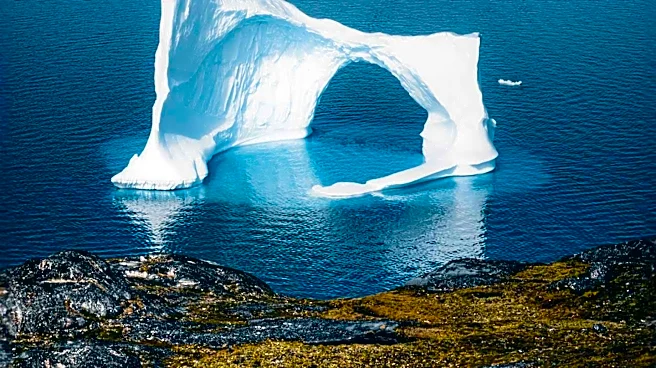
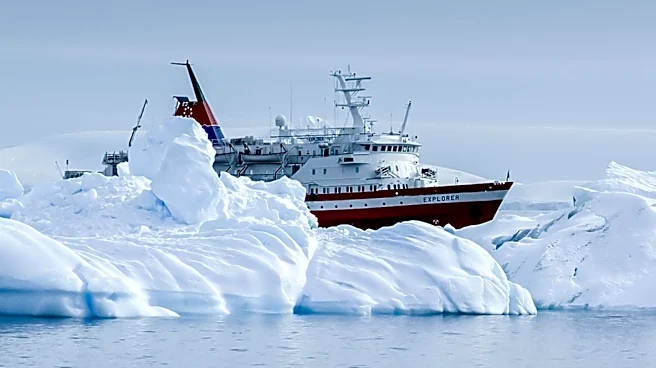
The National Oceanic & Atmospheric Administration (NOAA) reports that human-induced climate change is accelerating this trend. The melting of ice sheets in Greenland and Antarctica is particularly concerning, as it contributes to rising sea levels and impacts biodiversity. Projections suggest that sea levels could rise by an additional six to seven inches by 2050, leading to increased flooding and pressure on coastal ecosystems.
Why It's Important?
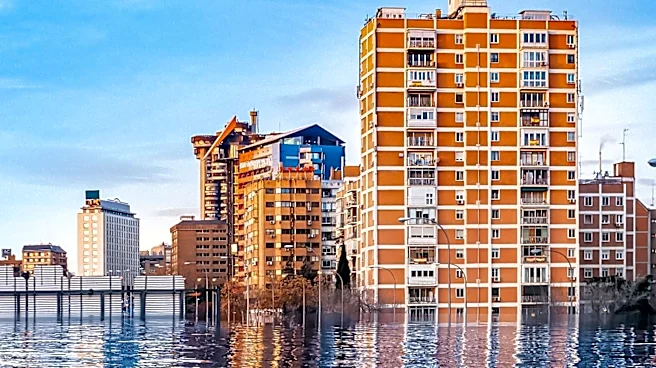
The rise in sea levels poses a significant threat to coastal communities and ecosystems. As sea levels continue to increase, the risk of high-tide flooding and storm surges grows, potentially displacing populations and damaging infrastructure. The impact on biodiversity is also profound, with species such as polar bears facing habitat loss. Addressing this issue requires urgent action to reduce greenhouse gas emissions and transition to clean energy sources. Failure to mitigate climate change could result in severe economic and social consequences, highlighting the need for coordinated global efforts.
Beyond the Headlines
While the situation is dire, there is still an opportunity to limit long-term damage through collective action. By advocating for reduced emissions and supporting affected communities, individuals can contribute to mitigating the impacts of climate change. Coastal communities can also prepare by expanding resources and infrastructure to adapt to rising sea levels. The challenge lies in balancing immediate needs with long-term sustainability, requiring collaboration across sectors and regions.