





What's Happening?
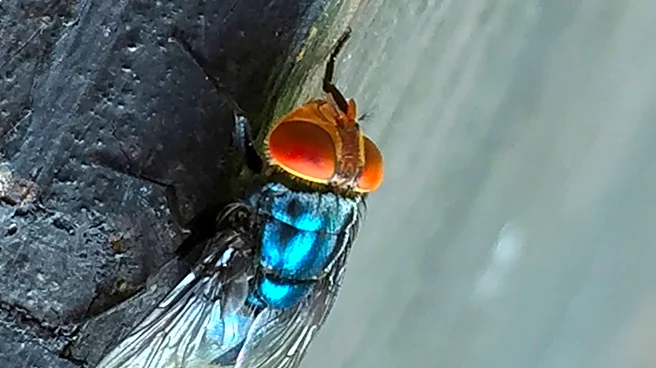
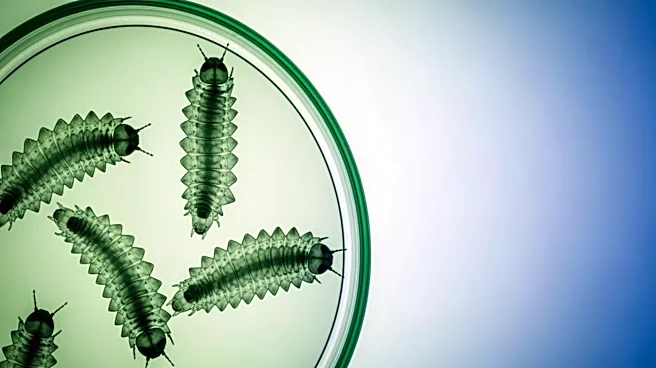
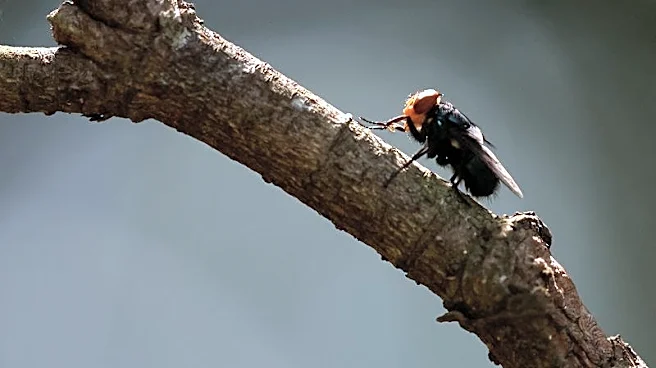
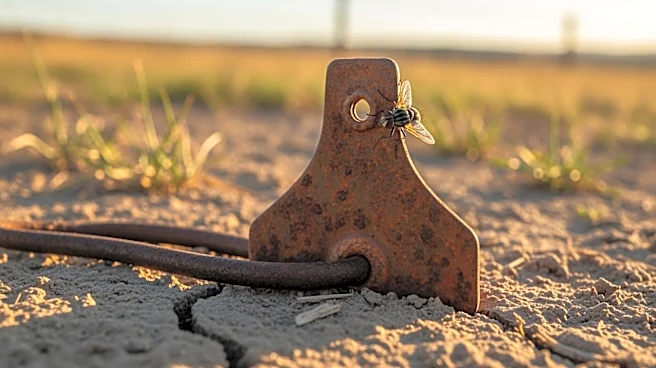
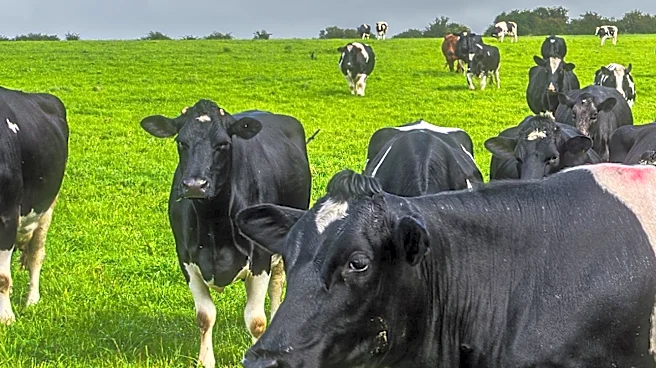
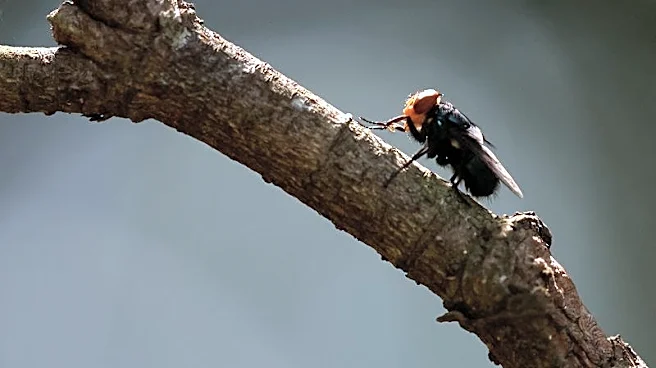
The New World screwworm, a flesh-eating parasite, has been detected in a calf in Texas, marking the first U.S. case since its eradication in 1966. The parasite, which infects warm-blooded animals, was found in a calf near the Mexico border. The screwworm is
believed to have traveled from Central America to Mexico before reaching Texas. The USDA has established a quarantine zone and is implementing measures to prevent the spread of the parasite. The detection is significant due to the potential impact on the livestock industry, with concerns about increased beef prices and economic losses.
Why It's Important?
The detection of the screwworm in Texas poses a threat to the U.S. livestock industry, which could face significant economic losses if the parasite spreads. The USDA predicts potential losses of $1.8 billion for the Texas economy. The parasite's ability to infect livestock and wildlife could lead to reduced cattle supplies and increased beef prices. The situation underscores the importance of biosecurity measures and the need for vigilance in preventing the spread of invasive species. The potential impact on beef prices and the agricultural market could have broader economic implications.
What's Next?
The USDA is implementing measures to contain the screwworm, including the release of sterile flies to prevent reproduction. A quarantine zone has been established around the affected area, and efforts are underway to monitor and control the spread of the parasite. The USDA is working with local authorities and ranchers to ensure compliance with quarantine measures and prevent further cases. The agency's proactive approach aims to protect the livestock industry and prevent significant economic losses. Continued surveillance and monitoring will be crucial in preventing a widespread outbreak.