

What's Happening?
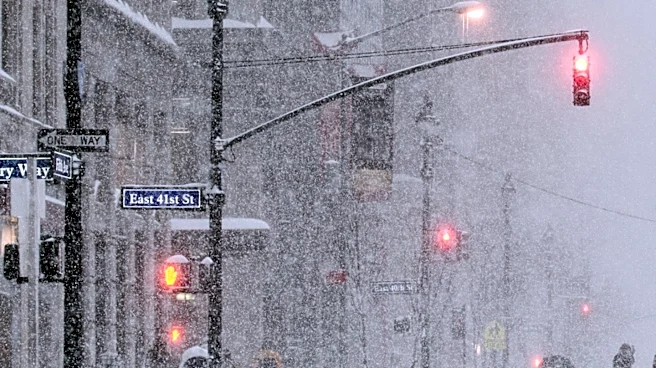
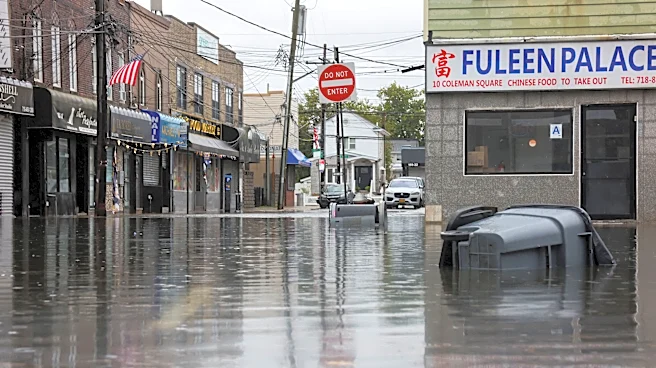
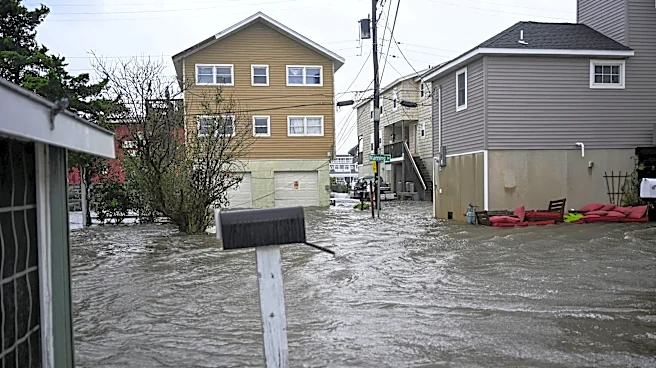
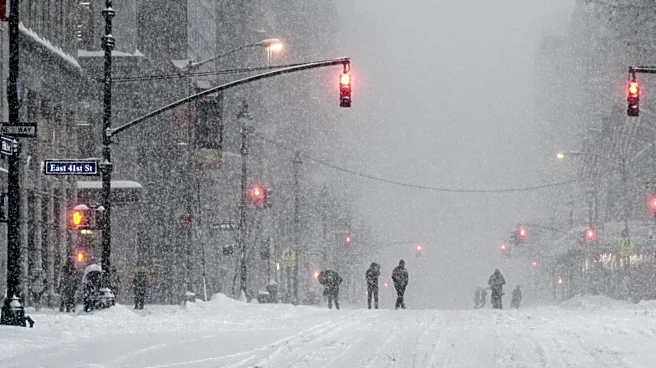
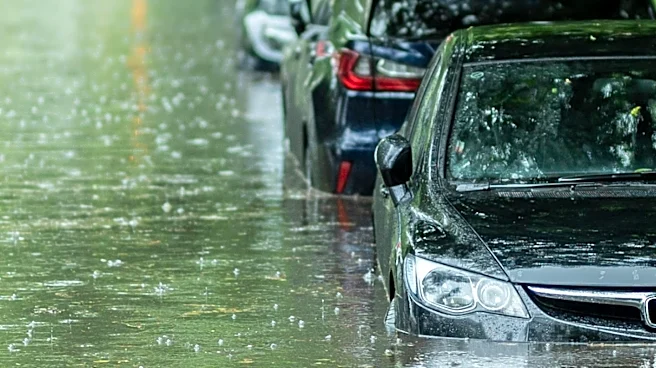
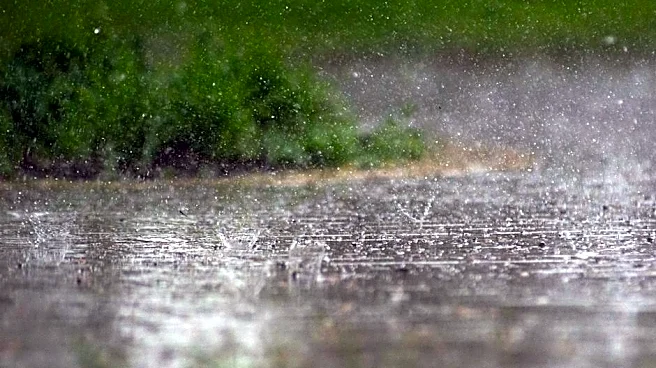
A recent nor'easter storm led to the cancellation of approximately 1,000 blood donations in New York and New Jersey, according to the New York Blood Center. The severe weather conditions, which included widespread power outages and flooded shore communities,
prevented many donors from safely traveling to donation centers. Jeannie Mascolino, Vice President of Operations at New York Blood Center, highlighted that while blood collection can cease during such events, the demand for blood in hospitals remains constant. The New York Blood Center reports that September is projected to be its most challenging month for blood collections this year, facing a deficit of nearly 2,700 donations required for local hospitals. Donors are being urged to prioritize their safety during storms, but now that the weather has cleared, there is an urgent call for eligible individuals to donate to help replenish the lost supply.
Why It's Important?
The significant loss of blood donations due to the nor'easter poses a critical challenge to the healthcare systems in New York and New Jersey. Hospitals in these regions rely heavily on a consistent supply of blood for various medical procedures, including emergency care, surgeries, and ongoing treatments for patients. A substantial deficit, such as the nearly 2,700 fewer donations projected for September, can strain hospital resources and potentially impact the ability to provide timely and life-saving care. This situation underscores the vulnerability of essential medical supplies to environmental factors and severe weather events. The New York Blood Center's appeal for immediate donations highlights the direct link between community participation and the operational capacity of healthcare facilities, emphasizing that a stable blood supply is a cornerstone of public health infrastructure.
What's Next?
The New York Blood Center is actively urging all eligible donors to schedule appointments this week at donor centers or community blood drives to help recover the lost donations. The immediate focus is on mitigating the current deficit and ensuring that hospitals have the necessary blood supply to meet patient needs. This call to action is critical for addressing the short-term impact of the storm. In the longer term, this event may prompt a review of contingency plans for blood collection during severe weather, potentially leading to strategies that minimize disruptions and ensure a more resilient blood supply chain. Public awareness campaigns about the importance of blood donation, especially after natural disasters, are also likely to continue to encourage community support.
Beyond the Headlines
This incident highlights a broader systemic challenge in maintaining critical public health resources amidst increasing climate volatility. As severe weather events become more frequent and intense, the infrastructure supporting essential services like blood banks faces recurring disruptions. Beyond the immediate need for donations, this situation prompts questions about the long-term resilience of healthcare supply chains and the need for innovative solutions to ensure continuity of care. This could include exploring mobile donation units that can operate in diverse conditions, establishing more decentralized collection points, or leveraging technology to better forecast and manage blood inventory in anticipation of adverse weather. The ethical dimension also comes into play, as the community's collective responsibility to support healthcare infrastructure becomes more pronounced during crises, underscoring the vital role of civic engagement in public health.