




What's Happening?
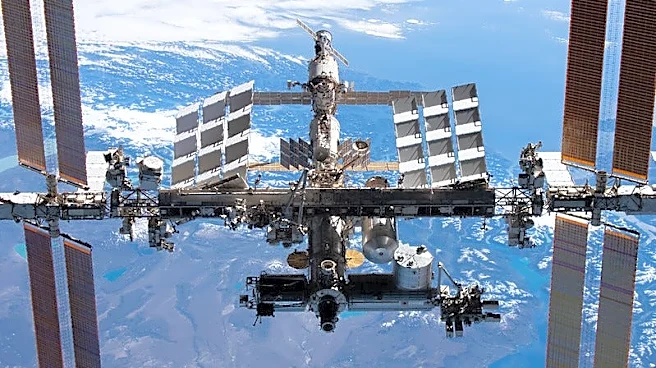
NASA briefly sheltered five astronauts in the SpaceX Crew Dragon spacecraft due to a leak in the Russian service module of the International Space Station (ISS). The decision was made after Roscosmos discovered new leaks and initiated repair operations.
NASA spokesperson Bethany Stevens announced the precautionary measure, emphasizing the need for safety while repairs were underway. The astronauts, part of the SpaceX Crew-12 mission, were instructed to assume an elevated safety posture in the Dragon capsule. The air leak issue has been a longstanding concern, with NASA closely monitoring the situation. The temporary shelter order was lifted after Roscosmos paused repairs to gather more data. The incident occurs amid discussions about the future of the ISS, with NASA planning to replace it with commercial modules.
Why It's Important?
This incident underscores the vulnerabilities of the aging ISS infrastructure and the critical role of international cooperation in space missions. The reliance on the SpaceX Crew Dragon capsule for safety highlights the importance of commercial partnerships in space exploration. The air leak issue may expedite NASA's plans to transition to commercially-produced modules, affecting the future of international space collaboration. The situation raises concerns about the reliability of current space station components and the need for continued investment in space technology. Stakeholders, including NASA, Roscosmos, and private companies like SpaceX, must address these challenges to ensure the safety and success of human spaceflight missions.
What's Next?
NASA and its partners will continue to monitor the situation and work towards a permanent solution to the air leak problem. The repair efforts by Roscosmos are ongoing, and further assessments will guide future actions. NASA's plans to replace the ISS with commercial modules may gain urgency, influencing the direction of future space missions and collaborations. The incident may prompt discussions among space agencies and private companies about the sustainability and safety of long-term space habitation. As the situation evolves, stakeholders will need to address both immediate technical challenges and broader strategic goals in human space exploration.