



What's Happening?
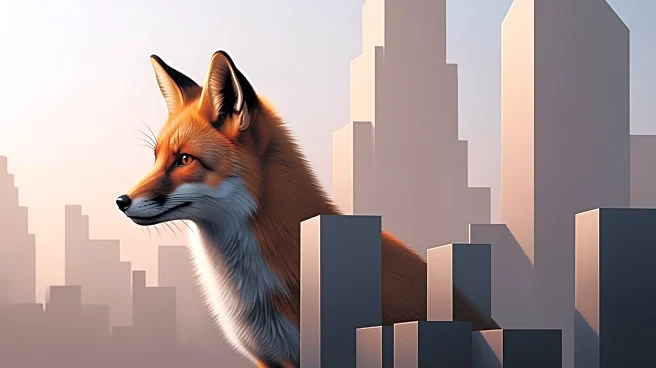
Urban foxes, particularly the red fox, are increasingly adapting to city life, sparking discussions about their potential self-domestication. In cities like Cambridge, these animals are frequently seen, displaying changes in behavior and physical traits.
Studies indicate that urban foxes have shorter snouts and smaller brain cases compared to their rural counterparts, and they exhibit bolder behaviors towards new food sources. These adaptations suggest a shift towards a lifestyle better suited for urban environments, aligning with the 'domestication syndrome' observed in other species.
Why It's Important?
The adaptation of urban foxes to city environments highlights the dynamic interaction between wildlife and urbanization. This phenomenon raises questions about the long-term ecological impacts and the role of natural selection in shaping animal behaviors in human-dominated landscapes. Understanding these changes is crucial for urban wildlife management and conservation efforts. It also prompts discussions on how cities can coexist with wildlife, ensuring both ecological balance and public safety.
What's Next?
While urban foxes show signs of self-domestication, experts caution that they remain wild animals. Continued research is necessary to monitor their behavioral and morphological changes, providing insights into the evolutionary processes at play. As urban areas expand, the interaction between humans and wildlife will likely increase, necessitating strategies to manage these encounters. Public education on coexisting with urban wildlife will be essential to mitigate potential conflicts and promote biodiversity in cities.