





What's Happening?
Federally funded researchers are developing an artificial intelligence (AI) tool to predict the presence of dangerous Vibrio bacteria in Florida's coastal waters, specifically in the Tampa Bay area. This project, named VIGOR, is a collaborative effort
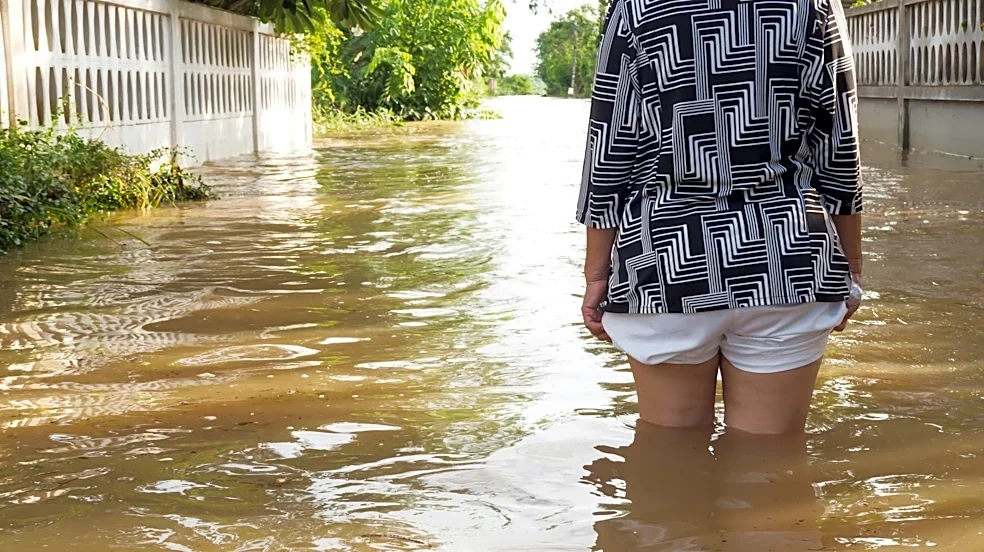
between University of Florida researchers and the University of Maryland, backed by a $3.6 million grant from the National Institutes of Health. The AI system will utilize satellite data to identify conditions that increase the risk of bacterial outbreaks, particularly after events like algal blooms, hurricanes, and flooding. The team is focusing on three species: Vibrio parahaemolyticus, Vibrio vulnificus (commonly known as flesh-eating bacteria), and Vibrio alginolyticus. While the lead scientist acknowledges that these infections are currently rare, the initiative aims to proactively address a national rise in case counts before they become more widespread. The development process is expected to involve a year of intensive water sampling in Tampa Bay, followed by two to three more years of development before a working prototype is available.
Why It's Important?
This initiative is significant for public health in coastal regions, particularly in Florida, which is susceptible to environmental factors that can promote bacterial growth. The development of an AI-driven early warning system could provide beach managers, shellfish harvesters, and the public with crucial advance notice—potentially two to three weeks—of elevated Vibrio risks. This foresight could enable timely interventions, such as issuing warnings, closing affected areas, or implementing preventative measures, thereby reducing the incidence of severe infections. While the infections are currently rare, the rising national case counts highlight a potential emerging public health threat. Investing in predictive technology could mitigate future outbreaks, protect vulnerable populations, and safeguard the local seafood industry. However, the substantial federal investment and the long development timeline for a 'rare' infection raise questions about the optimal allocation of research funds, prompting a debate on cost-effectiveness versus proactive public health preparedness.
What's Next?
The VIGOR project is slated for a multi-year development phase. The immediate next step involves a year of intensive water sampling in Tampa Bay to gather critical data for the AI model. Following this, researchers anticipate another two to three years of development to create a functional prototype. If successful, this prototype will eventually evolve into a real-time platform capable of feeding alerts and water-quality information to government agencies and the public. In the interim, residents are advised to practice ordinary caution to minimize their risk of exposure, such as avoiding eating contaminated seafood and preventing seawater from entering open wounds. The long-term goal is to establish a robust early-warning system that can effectively forecast bacterial risks, allowing for proactive public health responses and potentially influencing policy decisions regarding coastal water management and public safety advisories.
Beyond the Headlines
The development of an AI-powered forecasting tool for rare bacterial infections like Vibrio vulnificus represents a broader trend in leveraging advanced technology for public health and environmental monitoring. This project highlights the increasing reliance on artificial intelligence and big data analytics to predict and prevent health crises, moving beyond reactive responses to proactive interventions. The ethical implications of such systems include data privacy, the potential for false alarms causing economic disruption (e.g., to the fishing industry), and ensuring equitable access to warning information. Furthermore, the debate over the $3.6 million investment for a 'rare' infection underscores the ongoing challenge of balancing immediate public health needs with long-term preventative research, especially when resources are finite. This initiative could set a precedent for how federal funding is allocated for predictive health technologies, influencing future research priorities and public health strategies in the face of evolving environmental and microbial threats.