






What's Happening?
President Trump's administration has been criticized for employing 'hostage-taking' tactics in its dealings with Congress regarding the debt ceiling and with the Federal Reserve. This characterization stems from Republicans' past threats to refuse to increase
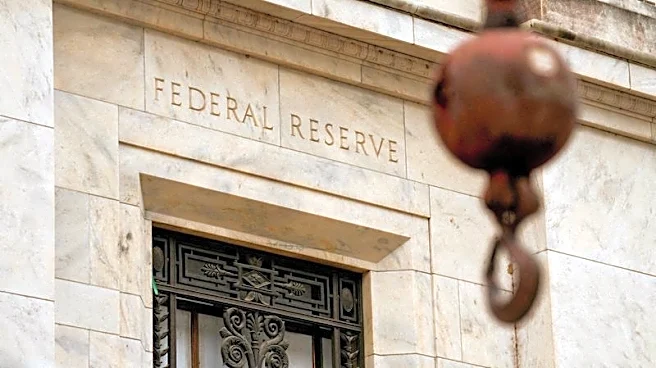
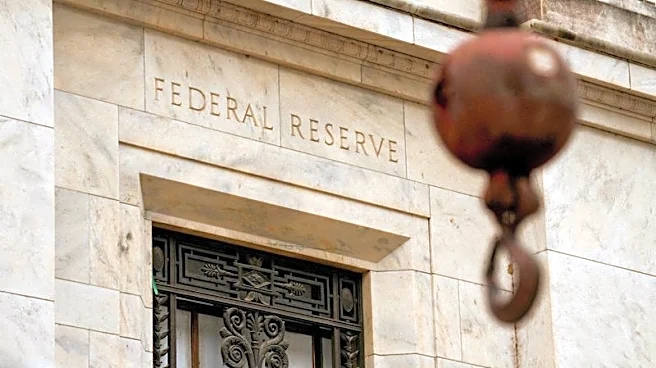
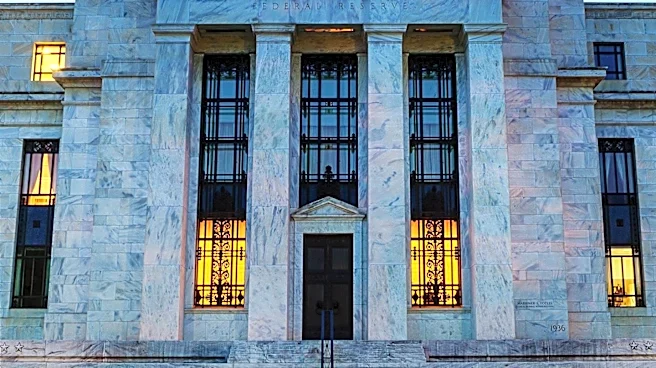
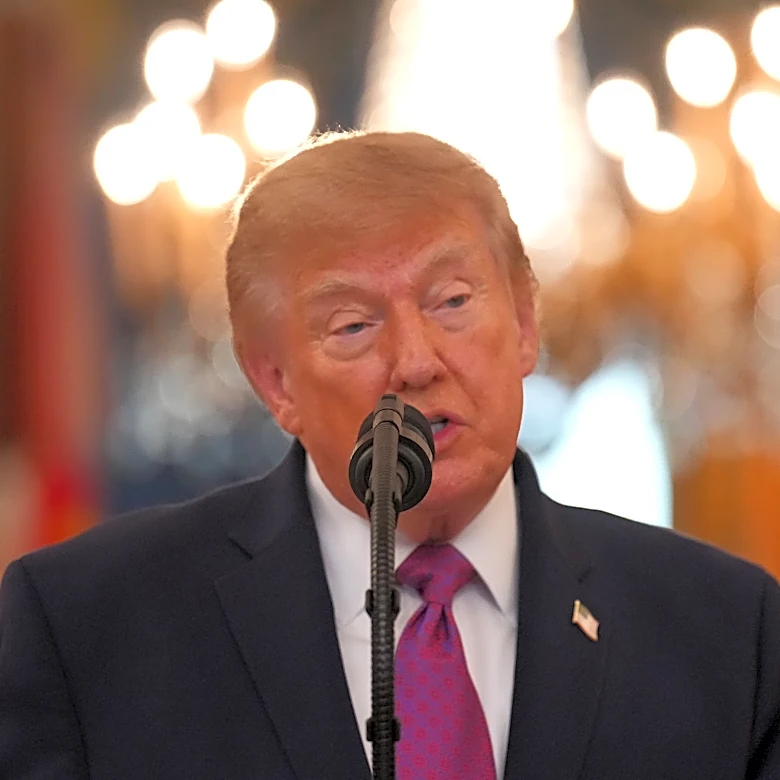
the debt ceiling when a Democrat was President, aiming to force capitulation to their demands and risking an economic and constitutional crisis. More recently, President Trump reportedly threatened the Federal Reserve, stating that if they did not lower interest rates, he would halt trade with countries with which the U.S. has a trade deficit. This move is seen as an attempt to coerce the independent central bank by threatening to harm millions of people, a policy unrelated to the Fed's tools. These actions are highlighted as examples of the administration's approach to governance, where significant policy changes are pursued through coercive measures rather than conventional political processes.
Why It's Important?
These 'hostage-taking' tactics carry significant implications for U.S. governance and economic stability. Threatening to default on the national debt by refusing to raise the debt ceiling could trigger a severe economic crisis, impacting global financial markets and the U.S.'s creditworthiness. Similarly, President Trump's alleged threat to the Federal Reserve undermines the institution's independence, which is crucial for maintaining economic stability and controlling inflation. An independent Fed can make decisions based on economic data rather than political pressure, preventing short-term political gains from destabilizing long-term economic health. Such actions could set a dangerous precedent, eroding the separation of powers and potentially leading to more volatile policy-making, where the welfare of millions is used as leverage in political disputes.
What's Next?
The ongoing debate surrounding the debt ceiling and the Federal Reserve's independence suggests continued tension between the executive branch and other governmental bodies. Future administrations might face similar pressures, potentially leading to recurring standoffs over fiscal policy and monetary decisions. The long-term implications could include a weakening of institutional norms and an increase in political polarization, as each side seeks to gain leverage through unconventional means. Stakeholders, including financial markets, international partners, and the American public, will likely remain vigilant for any signs of similar coercive tactics, which could impact economic forecasts and policy stability. The judiciary may also be called upon to interpret the constitutional boundaries of executive power in such disputes.
Beyond the Headlines
Beyond the immediate political and economic ramifications, these incidents highlight a deeper challenge to democratic norms and institutional integrity in the U.S. The use of 'hostage-taking' rhetoric and tactics can normalize extreme political behavior, making it harder for different branches of government to cooperate and compromise. This approach can also foster public distrust in governmental institutions, as the perception grows that policy decisions are driven by coercion rather than reasoned debate and established procedures. Ethically, using the well-being of millions as leverage raises questions about the moral compass of political leadership. Culturally, it contributes to a climate of political brinkmanship, where the stakes are constantly raised, potentially leading to a more fractured and less predictable political landscape.