






What's Happening?
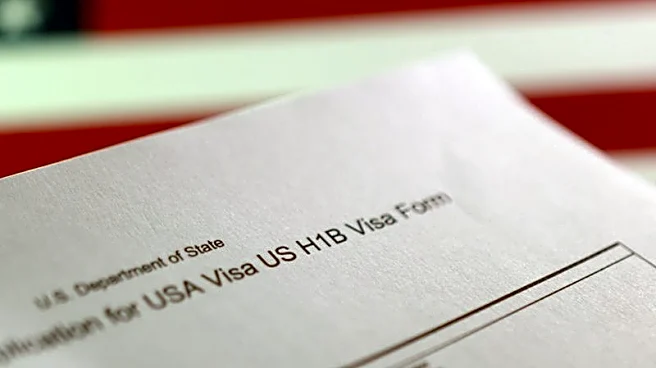
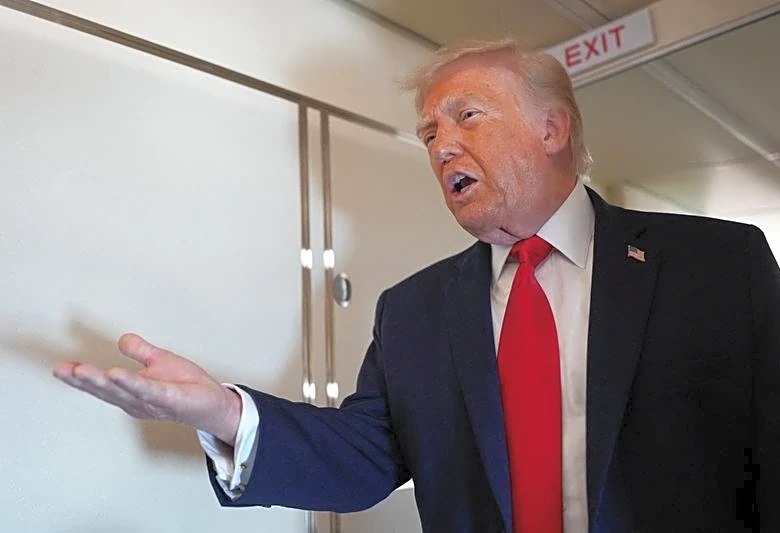
A federal judge in Massachusetts has blocked the Trump administration's imposition of a $100,000 fee on H-1B visa applications. The ruling came after 20 states challenged the fee, arguing it was an unauthorized tax rather than a permissible immigration
restriction. Judge Leo T. Sorokin sided with the states, vacating the policy and highlighting the separation of powers issue, as the fee was imposed by the President without congressional approval. The H-1B program allows U.S. employers to hire foreign workers in specialty occupations, and the fee increase was initially framed as a measure to protect American workers.
Why It's Important?
This decision is crucial for employers, universities, hospitals, and foreign workers who rely on the H-1B program. It underscores the limits of presidential power in imposing fees that resemble taxes without congressional approval. The ruling may influence future immigration policies and the balance of power between the executive branch and Congress. The case also reflects the judiciary's role in interpreting tax law and its implications for immigration policy. The outcome could lead to further legal challenges and discussions about the appropriate scope of executive authority in immigration matters.
What's Next?
An appeal is expected, with the administration likely to argue that the fee was a condition of entry rather than a tax. The case may reach the Supreme Court, where the justices will consider whether the President's broad immigration authority includes the power to impose such a fee. The decision could set a precedent for how courts interpret the separation of powers in the context of immigration and tax law. Stakeholders in the H-1B program will be closely monitoring the case, as its outcome could impact the future of the program and the costs associated with hiring foreign workers.