








What's Happening?
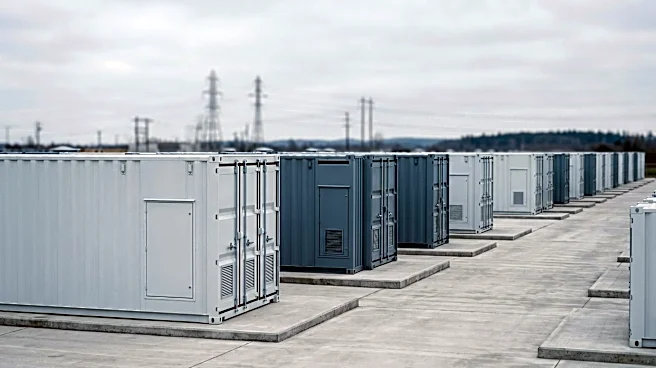
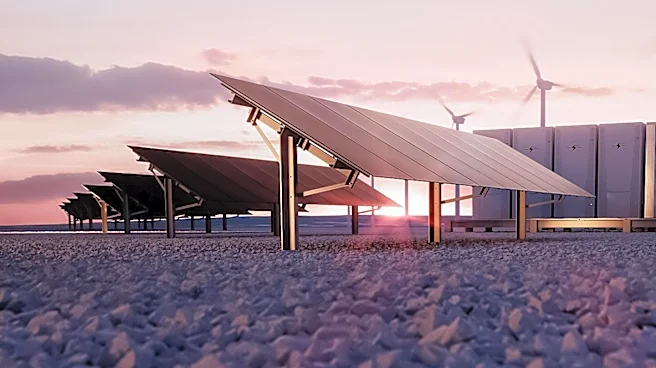
India is implementing new regulations that will require all new solar and onshore wind projects commissioned after July 1, 2027, to integrate battery storage systems. Initially, these projects must have battery storage equivalent to at least 10% of their
generating capacity, with a minimum storage duration of two hours. This requirement will become more stringent from July 2029, increasing the minimum storage duration to four hours while maintaining the 10% capacity requirement. These draft regulations, prepared by the Central Electricity Authority (CEA), aim to improve the power grid's ability to store and dispatch renewable electricity efficiently. The move comes as India, the world's third-largest solar power generator, faces challenges in managing fluctuations in solar and wind generation, which led to nearly 14% of its solar generation being curtailed between April and June due to surplus daytime electricity and transmission infrastructure constraints. Additionally, the proposed rules mandate grid-forming inverter capabilities for clean energy projects commissioned after July 2027.
Why It's Important?
This policy is crucial for India's energy transition and grid reliability. By mandating battery storage, India addresses the inherent intermittency of solar and wind power, ensuring a more stable and dispatchable renewable energy supply. This will help reduce renewable power curtailment, which has been a significant issue, and enable greater integration of variable renewable generation into the national grid. The requirement for grid-forming inverters further enhances grid stability by allowing renewable energy sources to actively support voltage and frequency, traditionally managed by conventional power plants. This shift is vital for a country rapidly expanding its renewable energy capacity, as it moves towards a more resilient and sustainable energy infrastructure. The policy could also spur innovation and investment in battery storage technologies and grid modernization within India.
What's Next?
The mandatory battery storage and grid-forming inverter requirements will be phased in, starting July 1, 2027, with a more stringent four-hour storage duration taking effect from July 2029. Project developers in India will need to incorporate these storage solutions into their planning and financial models for new solar and onshore wind installations. This will likely lead to increased demand for battery energy storage systems and advanced inverter technologies. The Central Electricity Authority will continue to monitor the implementation and impact of these regulations, potentially issuing further guidelines or adjustments as the renewable energy landscape evolves. The success of these measures will be critical in determining India's ability to manage its growing renewable energy capacity and maintain grid stability.
Beyond the Headlines
The implementation of these regulations signifies a broader strategic shift in how countries approach renewable energy integration. It acknowledges that simply adding renewable generation capacity is insufficient without corresponding advancements in grid infrastructure and storage solutions. This policy could serve as a model for other nations grappling with similar challenges of grid stability and renewable energy intermittency. It also highlights the increasing importance of energy storage as a critical component of modern power systems, moving it from a niche technology to a mandatory element for large-scale renewable projects. The focus on grid-forming inverters indicates a recognition of the need for renewable assets to contribute actively to grid services, rather than passively relying on traditional generation for stability. This holistic approach is essential for achieving high penetrations of renewable energy while maintaining a reliable and resilient electricity supply.