





What's Happening?
Massachusetts lawmakers have reached a compromise on a significant immigration bill that aims to limit federal immigration enforcement activities within the state. The bill, known as H. 5620, expands protections against warrantless civil immigration arrests
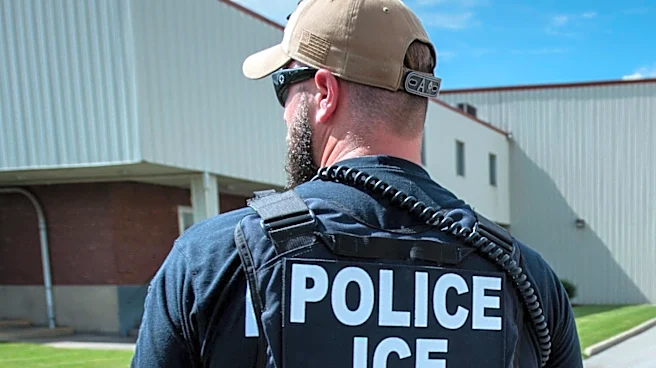
to include public schools, child care centers, and healthcare facilities. It also codifies the 2017 Lunn v. Commonwealth decision, which restricts state and local officials from performing federal immigration enforcement functions. The bill prohibits new 287(g) agreements, which allow local law enforcement to act as federal immigration agents, while maintaining the Department of Correction's existing partnership with ICE. The legislation is designed to protect immigrants and Massachusetts residents from what lawmakers describe as the federal government's weaponization of immigration enforcement.
Why It's Important?
This legislation represents a significant step in Massachusetts' efforts to safeguard immigrant communities from federal immigration enforcement. By expanding protections to sensitive locations, the bill aims to prevent disruptions in essential services and reduce fear among immigrants. The prohibition of new 287(g) agreements reflects a broader trend among states seeking to limit local involvement in federal immigration enforcement. This move could influence other states to adopt similar measures, potentially reshaping the national landscape of immigration policy. The bill also highlights the ongoing tension between state and federal authorities over immigration enforcement responsibilities.
What's Next?
The bill requires approval from both the Massachusetts House and Senate before being sent to Governor Maura T. Healey for signing. If enacted, the legislation will likely face scrutiny and potential legal challenges from federal authorities. The implementation of the bill will require coordination among state agencies to ensure compliance and address any operational challenges. Additionally, the bill's impact on community relations and public safety will be closely monitored by both supporters and critics.