






What's Happening?
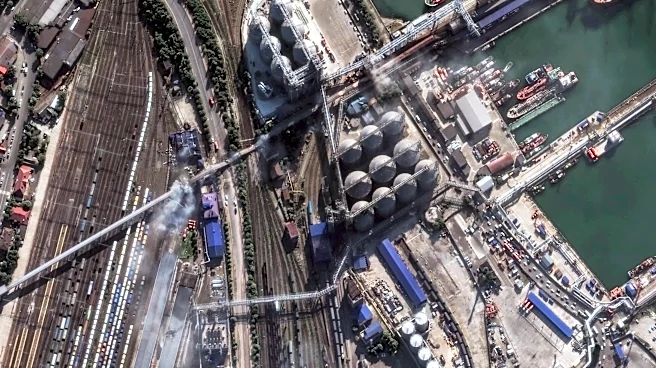
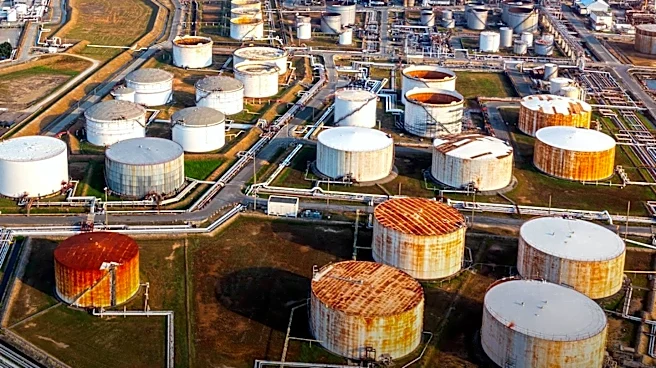
Russia's diesel and gasoil exports have significantly decreased, reaching a multi-year low of just 80,000 barrels per day in the first week of August. This decline is attributed to ongoing Ukrainian drone attacks on Russian oil refineries, which have forced
many processing sites offline. The attacks are part of Ukraine's strategy to pressure Russia into peace negotiations. As a result, Russia has extended restrictions on diesel exports, exacerbating a fuel crisis during peak demand season. This situation has further tightened the global market for middle distillates, which is already more constrained than the crude oil market. In comparison, Russia exported up to 1 million barrels per day of diesel and gasoil last year.
Why It's Important?
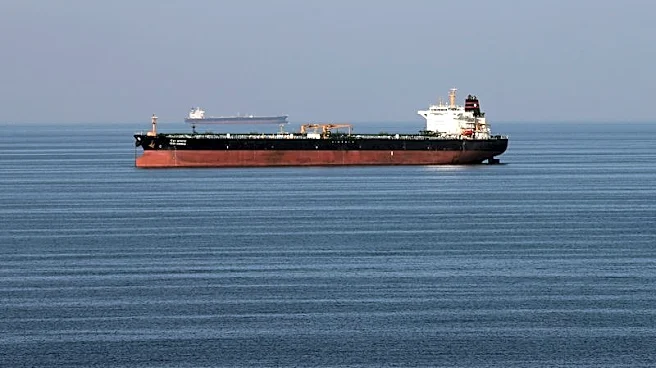
The sharp decline in Russian diesel exports is having a significant impact on the global petroleum market, particularly in the middle distillates sector. The reduction in supply from Russia, a major exporter, is contributing to a tighter market, driving up prices and affecting global supply chains. This situation is compounded by reduced fuel exports from the Persian Gulf, further straining the market. The International Energy Agency (IEA) has noted that global refinery crude throughputs increased in July but remain below previous year levels, indicating ongoing supply challenges. The U.S. has increased its fuel exports, but this has not been enough to offset the global shortfall caused by reduced Russian and Middle Eastern exports.
What's Next?
The ongoing conflict and strategic attacks on Russian infrastructure suggest that the current tightness in the global diesel market may persist. If Ukrainian drone attacks continue, further disruptions to Russian oil exports are likely, potentially leading to prolonged supply shortages and higher prices. The IEA forecasts fluctuations in global refinery throughputs, with a drop expected in 2026 and a rebound in 2027. Stakeholders in the energy sector, including governments and businesses, will need to monitor these developments closely and may need to adjust their strategies to mitigate the impact of these supply disruptions.