






What's Happening?
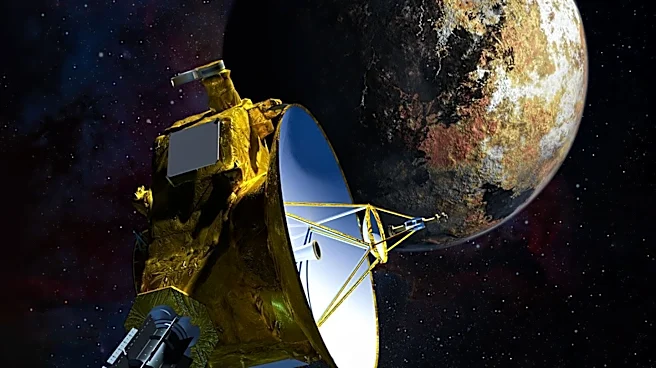
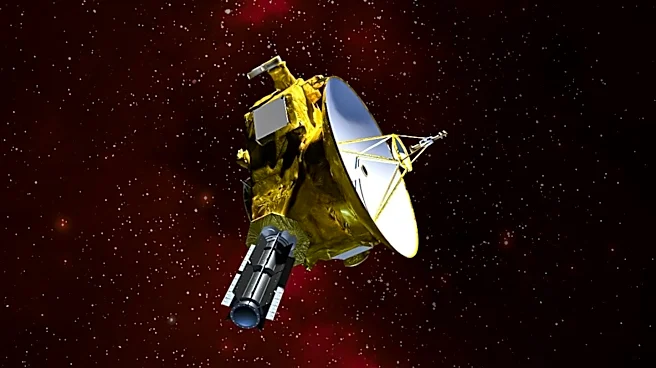
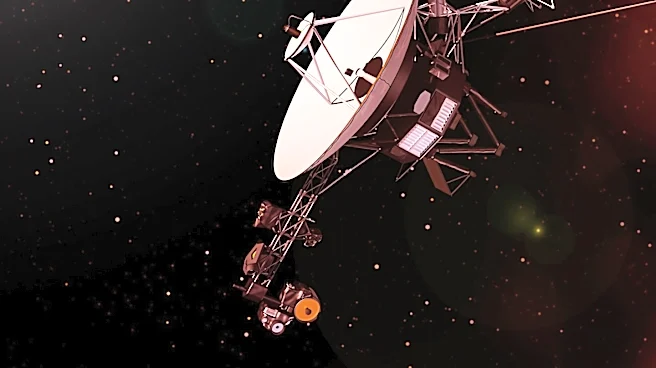
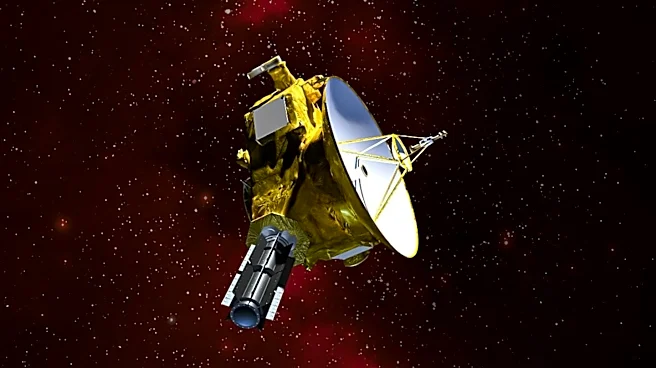
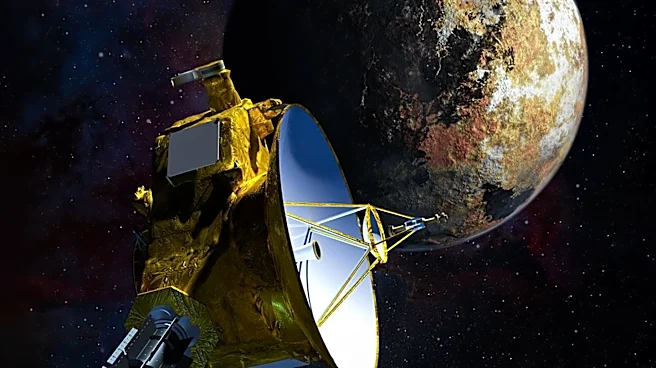
NASA's New Horizons spacecraft has successfully awakened from its longest hibernation period, lasting 321 days, as it continues its mission in the Kuiper Belt. The spacecraft, which was put to sleep by flight controllers at Johns Hopkins Applied Physics
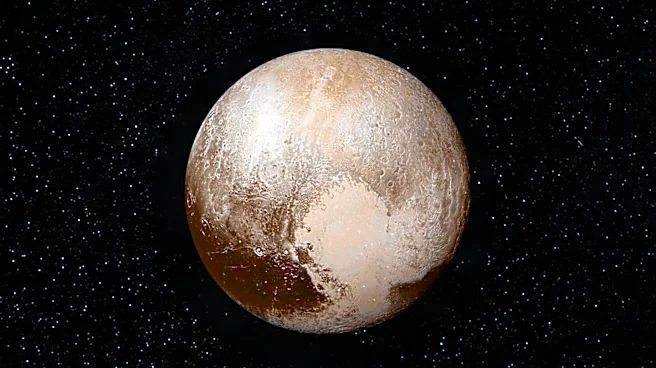
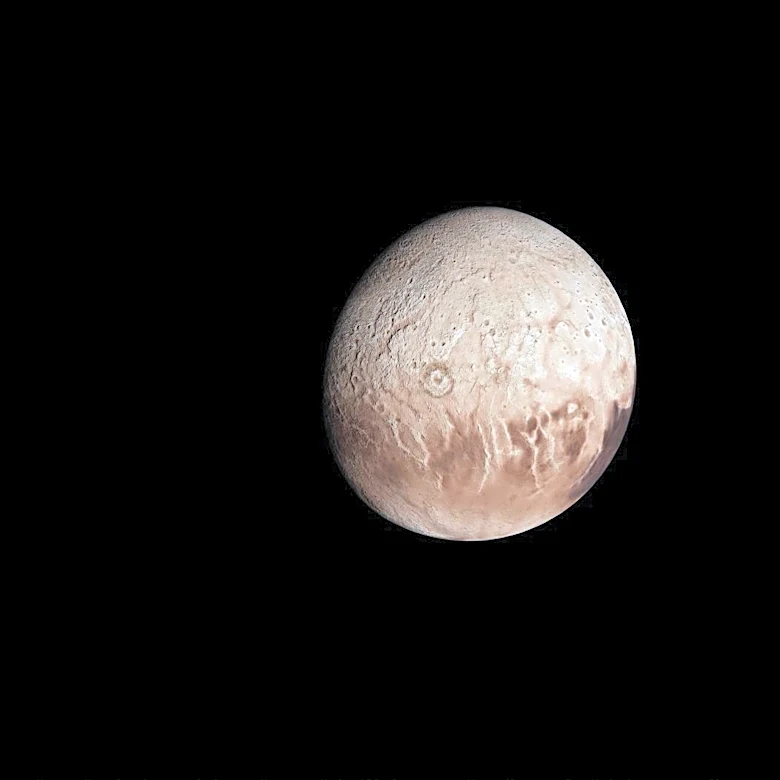
Laboratory on August 7, 2025, woke up on June 23, 2026, using its onboard commands. This marks the longest nap the spacecraft has taken since its launch in 2006. During its hibernation, New Horizons maintained a stable spinning mode with much of its systems unpowered, a strategy used to extend its operational life and reduce mission costs. The spacecraft, which has been exploring the Kuiper Belt since 2015, previously studied Pluto and Arrokoth. NASA plans to continue using New Horizons for as long as it can reliably wake from its hibernation periods.
Why It's Important?
The successful awakening of New Horizons is significant for ongoing space exploration efforts, particularly in the Kuiper Belt, a region of the solar system that remains largely unexplored. The spacecraft's ability to hibernate and wake up autonomously extends its operational life, allowing NASA to gather more data without the need for constant human intervention. This capability is crucial for long-duration missions in distant parts of the solar system, where communication delays and resource constraints are significant challenges. The data collected by New Horizons could provide valuable insights into the formation and evolution of the solar system, benefiting scientific research and potentially informing future missions to other distant celestial bodies.
What's Next?
Following its awakening, New Horizons' mission team will download and analyze the spacecraft's health and safety data to ensure it remains in good condition. The team will also retrieve scientific data collected by the spacecraft's instruments during its hibernation. This data will contribute to ongoing studies of the Kuiper Belt and its objects. As New Horizons continues its journey, NASA will evaluate potential new targets for exploration within the Kuiper Belt, leveraging the spacecraft's extended operational capabilities. The mission's success could influence the design and planning of future deep-space missions, emphasizing the importance of autonomous systems and long-term sustainability in space exploration.