



What's Happening?
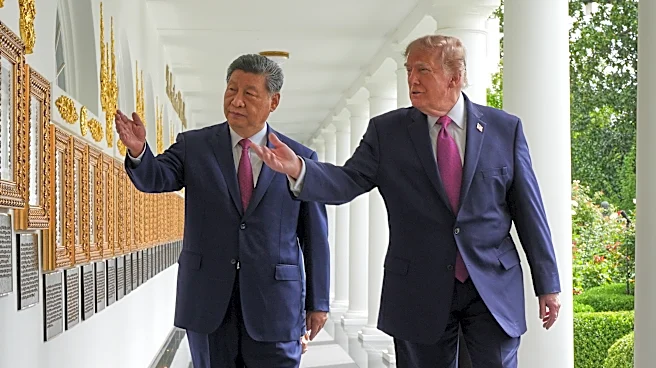
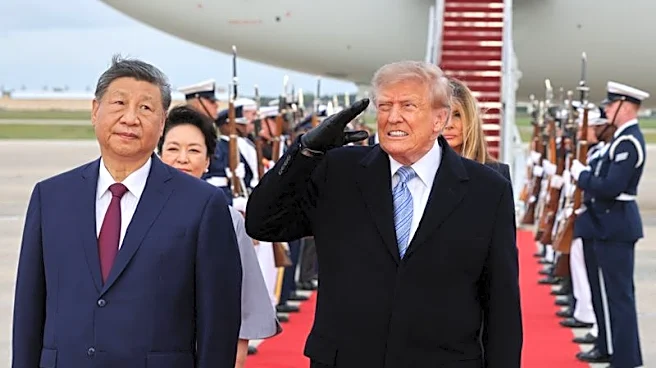
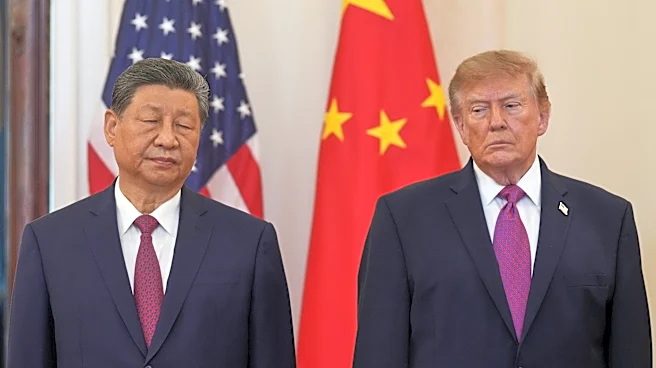
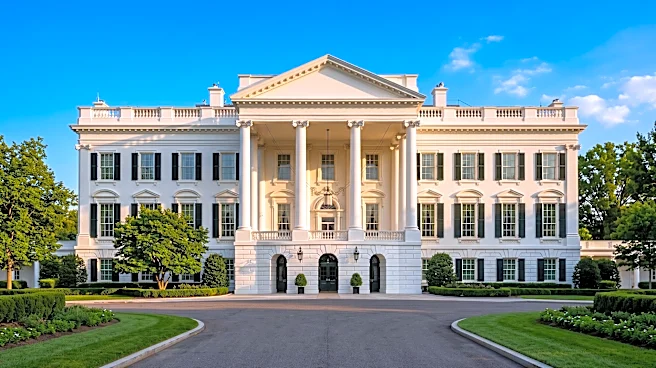
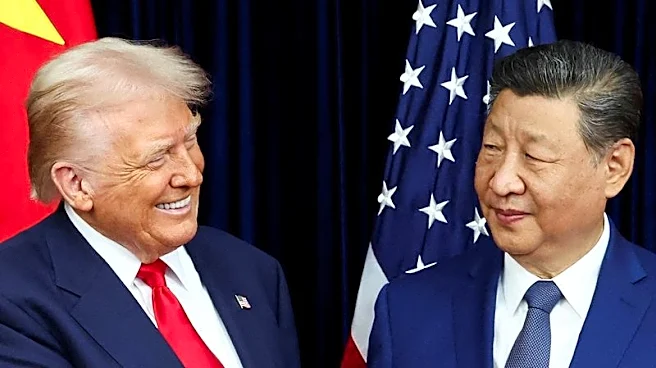
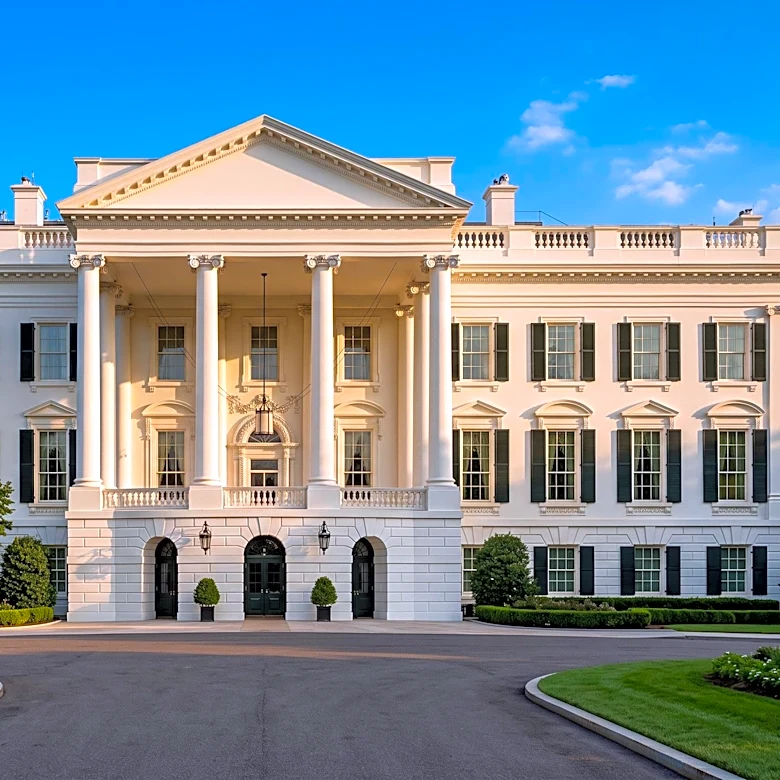
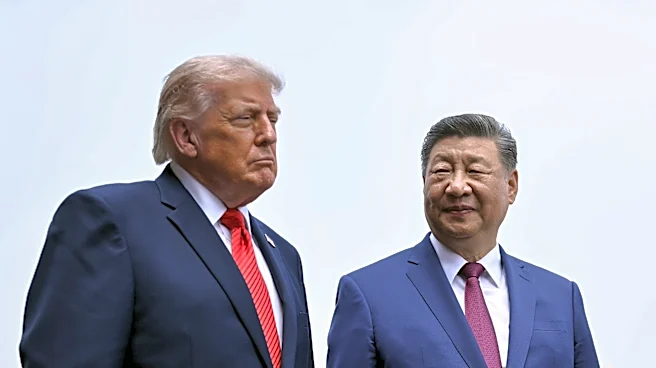
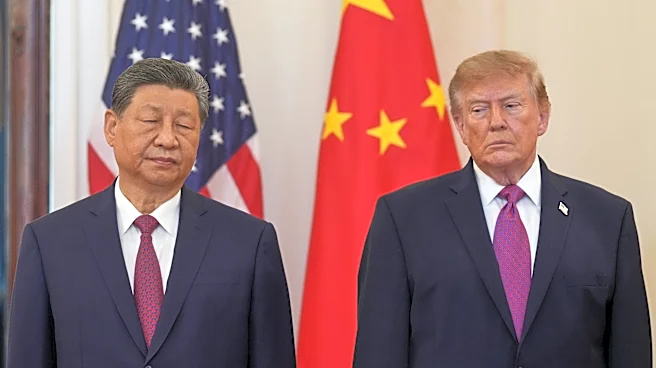
Chinese President Xi Jinping announced an initiative to invite 100,000 young Americans to China for exchanges and study over the next five years. This announcement was made during discussions with President Trump at the White House. This new invitation
follows a similar program initiated in 2023, which aimed to bring 50,000 young Americans to China over five years, a target that was met ahead of schedule. President Xi emphasized that the future of the China-U.S. relationship lies with the youth and highlighted historical instances of cooperation, such as the joint fight against 'fascist' aggression during the Second World War. President Trump also acknowledged the U.S. role in assisting China during World War II against Japanese aggression, referencing the 'Flying Tigers' and the Marine Corps' adoption of the Chinese phrase 'Gung Ho,' signifying working together. Both leaders underscored the importance of focusing on common interests to achieve peace and prosperity.
Why It's Important?
This initiative is significant for fostering future diplomatic and cultural ties between the United States and China. By inviting a large number of young Americans for educational and exchange programs, China aims to build goodwill and mutual understanding, potentially mitigating future geopolitical tensions. For the U.S., participation in such programs could offer invaluable insights into Chinese culture, language, and society, benefiting future generations of American leaders, business professionals, and academics. The emphasis on historical cooperation, particularly during World War II, serves as a reminder of periods when both nations found common ground, suggesting a potential pathway for renewed collaboration despite current complexities. The success of the previous exchange program indicates a strong interest in such initiatives, and the expanded invitation could further deepen people-to-people connections, which are often seen as a stable foundation for bilateral relations, even amidst political fluctuations.
What's Next?
The implementation of the program to invite 100,000 young Americans to China will likely involve detailed planning and coordination between educational institutions and government bodies in both countries. This will include establishing selection criteria, logistical arrangements for travel and accommodation, and developing curriculum or exchange activities. Both nations will need to ensure the safety and well-being of the participants. The success of this expanded program could lead to further cultural and educational exchanges, potentially broadening to other demographics or professional fields. Reactions from various stakeholders, including educational organizations, student groups, and political commentators, will be closely watched. The initiative could also serve as a model for other countries seeking to enhance bilateral relations through youth engagement, potentially influencing future diplomatic strategies.
Beyond the Headlines
Beyond the immediate diplomatic implications, this initiative touches upon deeper cultural and ethical dimensions. It represents an investment in soft power, where cultural exchange can subtly influence perceptions and foster long-term relationships that transcend political rhetoric. For the young Americans participating, it offers a unique opportunity for personal growth, global citizenship, and a firsthand understanding of a different culture, potentially challenging preconceived notions and promoting empathy. Ethically, such programs raise questions about equitable access and ensuring that participants represent a diverse cross-section of American society. The long-term shift could be a generation of leaders and citizens in both countries with a more nuanced and informed perspective of each other, potentially leading to more stable and cooperative international relations in the future. It also highlights the enduring power of historical narratives in shaping contemporary diplomacy.