



What's Happening?
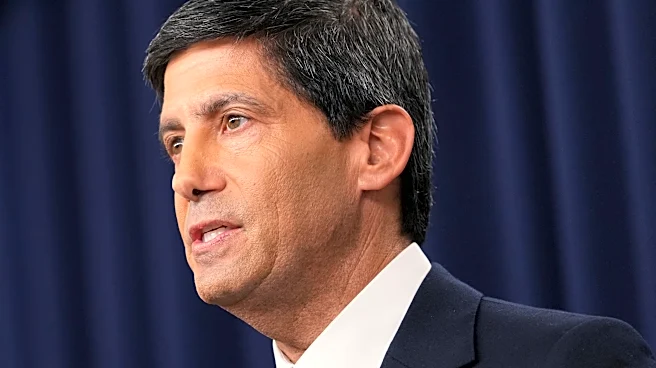
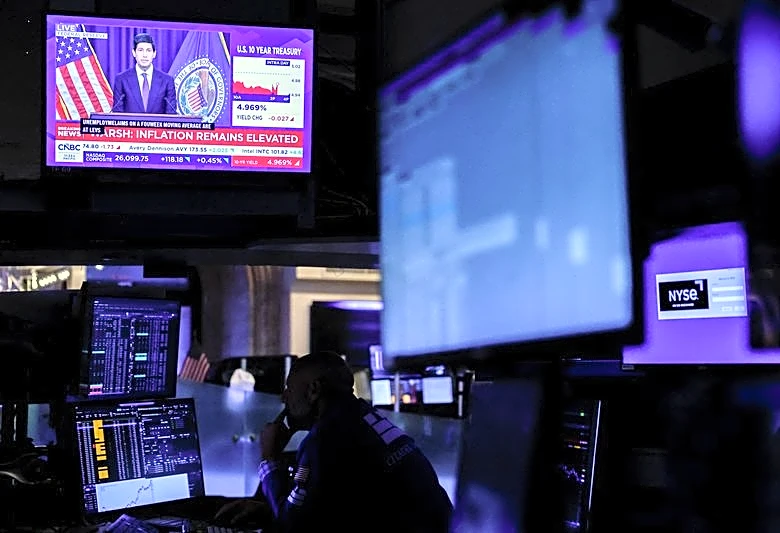
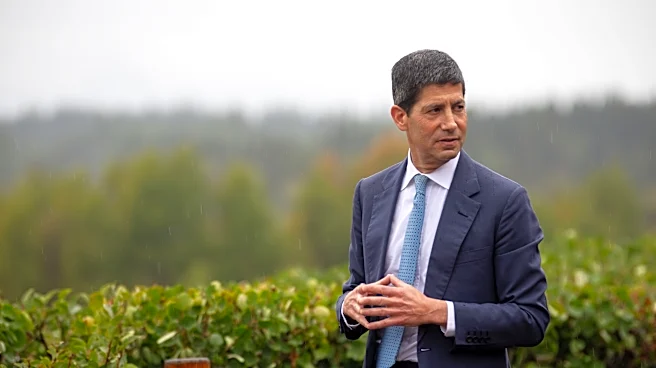
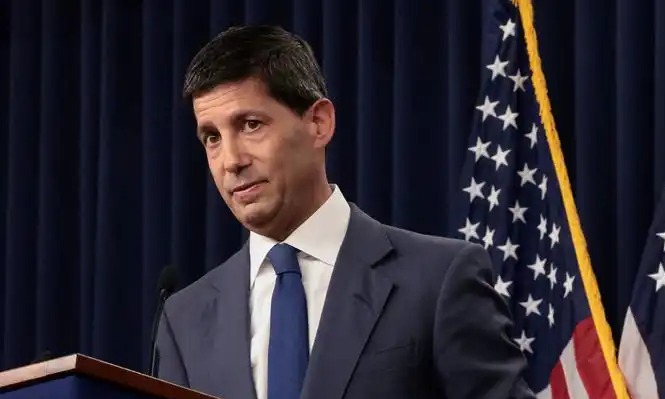
Kevin Warsh is poised for a confrontation with President Trump as the Federal Reserve faces increasing pressure to raise interest rates, according to Colby Smith. This development highlights a potential clash between the executive branch's economic preferences
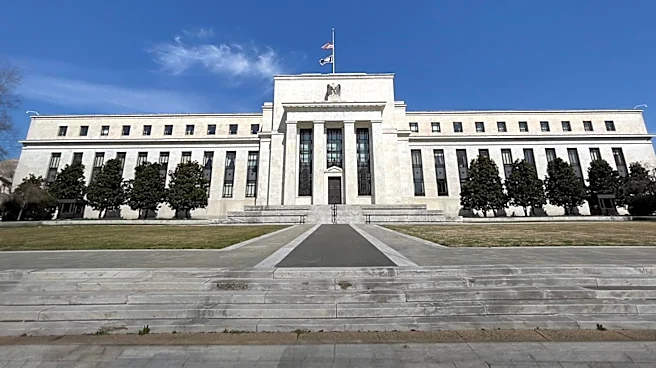
and the independent monetary policy decisions of the Federal Reserve. President Trump has historically expressed views on interest rates, often favoring lower rates to stimulate economic growth. Conversely, the Federal Reserve, under pressure from economic indicators, may deem a rate hike necessary to control inflation or stabilize the economy. Warsh, a former Federal Reserve governor, is a key figure in this scenario, suggesting his potential influence or involvement in the upcoming monetary policy decisions. The tension underscores the delicate balance between political influence and the Federal Reserve's mandate for independent economic management.
Why It's Important?
This impending showdown between Kevin Warsh and President Trump over Federal Reserve interest rate policy is critically important for the U.S. economy and financial markets. The Federal Reserve's decisions on interest rates directly impact borrowing costs for consumers and businesses, inflation, and the overall pace of economic growth. If the Federal Reserve raises rates, it could cool down an overheating economy and curb inflation, but it might also slow job creation and increase the cost of debt. President Trump's potential opposition to such a move could create uncertainty in financial markets and challenge the perceived independence of the Federal Reserve, which is crucial for investor confidence. The outcome of this dynamic could influence the dollar's value, stock market performance, and the trajectory of economic recovery or expansion. Businesses and consumers alike stand to gain or lose depending on whether rates rise, fall, or remain stable, making this a pivotal moment for economic policy.
What's Next?
The immediate future will likely see continued speculation and debate surrounding the Federal Reserve's next interest rate decision. Financial markets will closely monitor economic data, statements from Federal Reserve officials, and any comments from President Trump or his administration regarding monetary policy. Kevin Warsh's role and influence will be a key factor to watch, especially if he is considered for a leadership position within the Federal Reserve or if his views align with a particular faction within the institution. The Federal Reserve's upcoming meetings will be critical, as they will determine whether interest rates are indeed raised, and by how much. The potential for political pressure from the White House on the Federal Reserve could intensify, testing the institution's independence and its commitment to its dual mandate of maximum employment and price stability. This situation could also set the stage for broader discussions about the relationship between the executive branch and independent economic agencies.
Beyond the Headlines
The potential conflict between Kevin Warsh, President Trump, and the Federal Reserve delves into the deeper philosophical underpinnings of central bank independence and its role in a democratic society. The Federal Reserve's autonomy from political influence is considered a cornerstone of sound monetary policy, designed to prevent short-term political considerations from overriding long-term economic stability. A challenge to this independence, whether perceived or real, could erode public trust in the institution and its ability to make unbiased decisions. Ethically, it raises questions about the appropriate boundaries between elected officials and unelected economic policymakers. Historically, periods of significant political pressure on central banks have often led to economic instability. This situation could therefore trigger a reevaluation of the mechanisms that safeguard the Federal Reserve's independence and the broader implications for economic governance in the U.S. and globally.