





What's Happening?
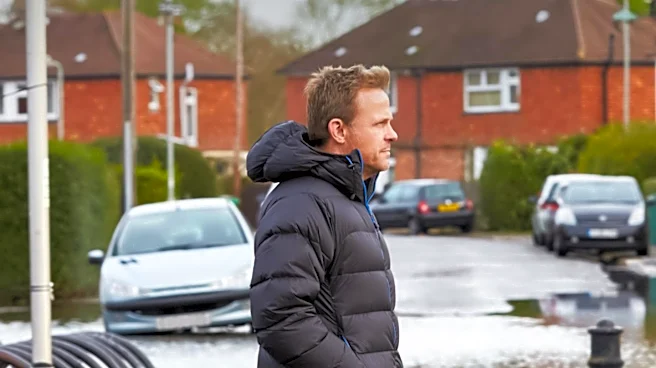
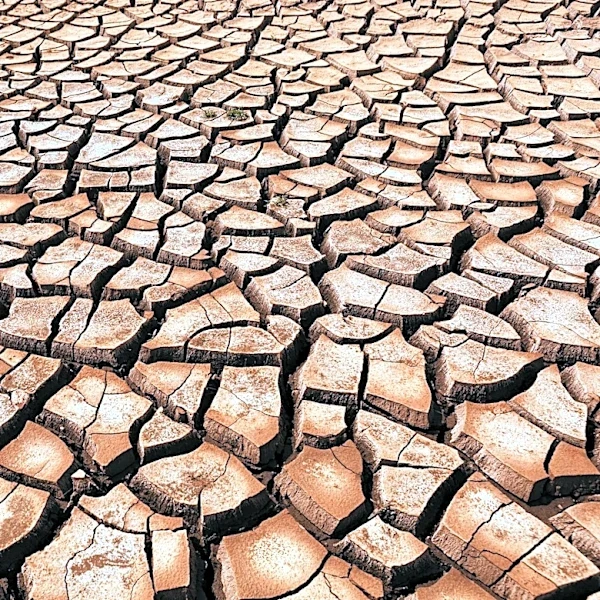
Arable farmer Olly Harrison from Tarbock, near Prescot on Merseyside, is grappling with the sustainability of his farming operations due to increasingly extreme weather conditions. This year alone, the region has experienced three heatwaves, leading to significantly
reduced crop yields. Harrison reports that the recent hot weather has halved his crop output, necessitating additional processing to make the produce sellable, which incurs extra costs and reduces profit margins. The north-west of England has been suffering from extremely low rainfall following a dry spring, exacerbating the challenges faced by farmers like Harrison. In response to these conditions, Harrison has diversified his farm's income streams, incorporating activities such as dog walking fields, office rentals, and recycling tree waste. He also generates revenue through his YouTube channel, Olly Blogs Agricontract, which helps fund necessary farming equipment.
Why It's Important?
The situation faced by Olly Harrison highlights the broader challenges of climate change and extreme weather on agriculture, particularly in regions like the north-west of England. Farmers are increasingly forced to adapt to unpredictable weather patterns, which can threaten the viability of traditional farming practices. The need for diversification underscores the financial pressures on small and medium-sized farms, which may not have the resources to withstand such environmental and economic stresses. This trend could lead to significant shifts in agricultural practices and rural economies, as farmers seek alternative income sources to sustain their livelihoods. The impact of climate change on agriculture is a critical issue, with potential consequences for food security, rural employment, and the sustainability of farming communities.
What's Next?
Farmers like Olly Harrison may continue to explore and expand diversification strategies to mitigate the risks associated with extreme weather. This could involve further investment in non-traditional agricultural activities or technological innovations to improve crop resilience. Policymakers and agricultural organizations might also need to provide support and resources to help farmers adapt to changing climate conditions. Additionally, there may be increased advocacy for policies addressing climate change and its impact on agriculture, aiming to secure the future of farming in vulnerable regions.
Beyond the Headlines
The challenges faced by farmers due to extreme weather also raise ethical and environmental questions about the sustainability of current agricultural practices. As climate change continues to affect weather patterns, there may be a growing need for systemic changes in how food is produced and distributed. This could involve rethinking land use, investing in sustainable farming technologies, and promoting practices that enhance resilience to climate impacts. The situation also highlights the importance of community and governmental support in helping farmers transition to more sustainable and diversified operations.