






What's Happening?
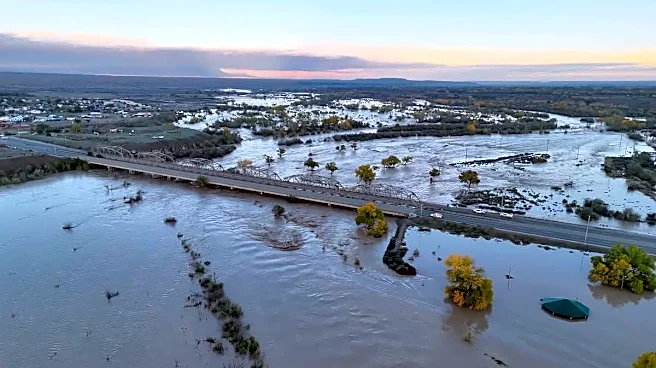
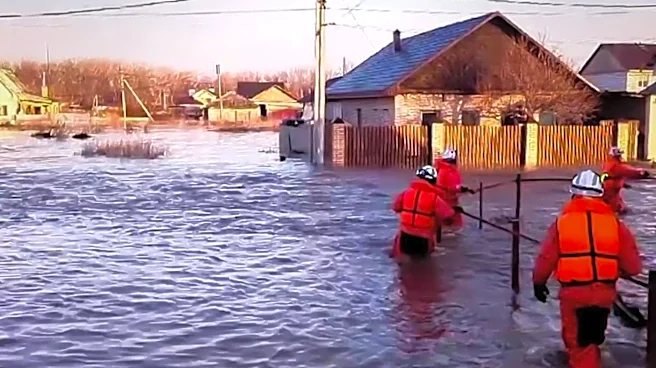
Severe flooding in southwestern Colorado has prompted the Colorado National Guard to conduct numerous rescue missions, saving 28 people, nine dogs, and two cats across 14 operations. Chief Warrant Officer 2 Joshua Holm, a pilot with the National Guard,
described the extensive devastation observed from the air, indicating long-term impacts. The Guard's aviation crews have been working continuously alongside the Archuleta County Sheriff’s Office, utilizing two military helicopters for damage assessment and direct rescues. One specialized helicopter, used since 2021, can access tight spaces and hoist individuals up to 275 feet. The National Guard was activated on a Friday night, with task forces arriving in Pagosa Springs by Saturday morning to commence operations. The flooding has caused widespread damage, including washed-out roads and damaged homes, leaving some residents without essential supplies. The efforts highlight the critical role of military support in disaster response within the state.
Why It's Important?
The extensive rescue operations by the Colorado National Guard underscore the increasing frequency and severity of natural disasters impacting U.S. communities. This event highlights the critical role of state-level military forces in providing immediate, life-saving support when local resources are overwhelmed. The long-term impact of such flooding, as noted by Chief Warrant Officer 2 Holm, suggests significant economic and social disruption for affected regions. Infrastructure damage, particularly to roads and homes, will necessitate substantial recovery efforts and funding, potentially straining state and federal disaster relief budgets. For residents, the loss of homes and access to basic services creates immediate crises and prolonged displacement. The incident also serves as a reminder for communities to enhance disaster preparedness and for emergency services to maintain robust capabilities for aerial rescues and damage assessment.
What's Next?
As immediate rescue operations conclude, the focus will shift towards damage assessment, recovery, and rebuilding efforts in southwestern Colorado. Local and state authorities will need to coordinate extensively to restore critical infrastructure, including roads and utilities, and provide housing and support for displaced residents. Federal assistance may be sought to aid in the extensive reconstruction required. Communities will likely review and update their emergency response plans and infrastructure resilience strategies to better withstand future flood events. For affected residents, the immediate future involves navigating insurance claims, temporary housing, and the daunting task of rebuilding their lives. The long-term recovery process is expected to be protracted, requiring sustained support from various governmental and non-governmental organizations.
Beyond the Headlines
The Colorado floods reveal deeper implications regarding climate change and its localized effects on U.S. regions. The increasing intensity and unpredictability of weather events challenge existing infrastructure and emergency response frameworks. This situation prompts a re-evaluation of land use planning, particularly in flood-prone areas, and the need for more resilient construction standards. Ethically, it raises questions about equitable resource allocation for disaster preparedness and recovery, especially for rural or economically vulnerable communities. The psychological toll on residents who experience such devastation, losing homes and livelihoods, often extends far beyond the immediate crisis, necessitating long-term mental health support. Furthermore, the reliance on military assets for civilian rescue operations highlights potential gaps in civilian emergency services' capabilities for large-scale natural disasters, suggesting a need for enhanced investment and training in these areas.