


What's Happening?
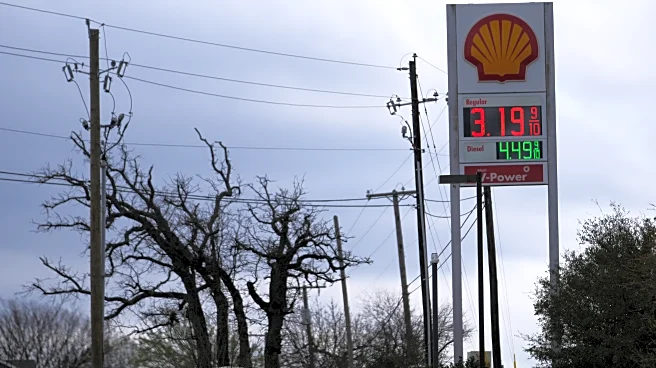
Drivers in Metro Detroit are experiencing higher gas prices at the pump, a trend that is raising concerns about potential increases in the cost of other goods and services. The ongoing conflict in Iran is a significant factor contributing to these rising
prices, as it disrupts global energy markets and creates uncertainty. The situation is causing anxiety among consumers and businesses alike, as they anticipate that the increased cost of fuel could lead to higher prices across various sectors, affecting everything from groceries to transportation.
Why It's Important?
The increase in gas prices is not just a local issue but part of a broader economic challenge that could have widespread implications. As fuel costs rise, businesses may face higher operational expenses, which could be passed on to consumers in the form of increased prices for goods and services. This could lead to inflationary pressures, affecting purchasing power and potentially slowing economic growth. The situation highlights the interconnectedness of global events and local economies, emphasizing the need for strategies to manage such economic shocks.
What's Next?
As the situation in the Middle East continues to evolve, stakeholders in the U.S. will be closely monitoring developments and their impact on energy prices. Policymakers may consider measures to cushion the economic impact, such as releasing strategic oil reserves or promoting energy efficiency initiatives. Businesses and consumers will need to adapt to the changing economic landscape, potentially seeking ways to reduce energy consumption or explore alternative energy sources to mitigate the impact of rising fuel costs.