






What's Happening?
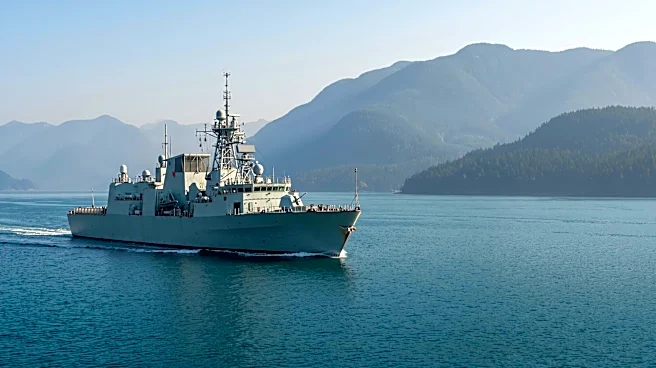
British Columbia is enhancing its support for Naval Reservists by expanding job-protected military leave. This legislative change aims to provide greater flexibility for reservists to participate in training, deployments, and other military contributions
without jeopardizing their civilian employment. The update is designed to help the several hundred Naval Reservists residing and working in British Columbia balance their civilian careers, family responsibilities, and military service. Reservists play a crucial role in the province, assisting with disaster relief efforts such as floods and wildfires, preparing for Arctic operations, and supporting international missions. This measure is intended to ensure that reservists can continue their vital service with confidence.
Why It's Important?
This expansion of job-protected military leave is a significant step towards strengthening Canada's overall defense posture and resilience. By safeguarding reservists' civilian jobs, the policy directly addresses a major challenge faced by military personnel who balance dual careers. This support is critical for maintaining a robust and ready reserve force, which is essential for national security and emergency response. The ability of reservists to train and deploy without fear of job loss enhances their readiness and effectiveness, allowing them to contribute more fully when Canada requires their service. It also acknowledges the invaluable contributions of reservists to both their communities and the nation, fostering a more supportive environment for military families and employers.
What's Next?
The implementation of expanded job-protected military leave is expected to facilitate greater participation and retention within the Naval Reserve in British Columbia. This policy could serve as a model for other provinces or even influence national discussions on military support. The focus will now shift to how effectively this new measure integrates into existing employment frameworks and how it impacts reservist recruitment and retention rates. Employers, colleagues, families, and communities are anticipated to continue playing a crucial role in supporting reservists, as highlighted by Sarah Thompson. Ongoing efforts will likely involve monitoring the policy's effectiveness and ensuring that reservists can seamlessly navigate their military and civilian responsibilities.
Beyond the Headlines
Beyond the immediate benefits for Naval Reservists, this policy change reflects a broader societal recognition of the importance of military service and the unique challenges faced by reservists. It underscores a commitment to fostering a culture where military service is not a barrier to civilian career progression. This initiative could also stimulate discussions about corporate social responsibility, encouraging more employers to adopt supportive policies for reservist employees. Ethically, it reinforces the principle that those who serve their country should not be disadvantaged in their civilian lives. Culturally, it helps to bridge the gap between military and civilian life, promoting a more integrated and understanding society that values the contributions of its armed forces members.