





What's Happening?
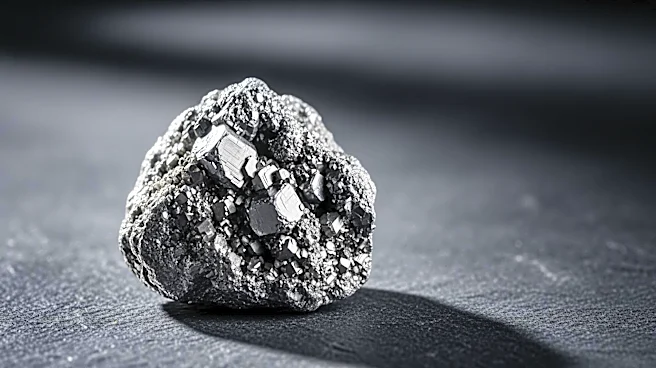
Zhejiang Huayou Cobalt has successfully shipped the first consignment of lithium sulphate from its operations in Zimbabwe, marking a significant milestone for the African nation. This development comes two months after Zimbabwe halted exports of lithium concentrates
due to concerns over malpractice and leakages. The shipment represents the first lithium salt produced in Zimbabwe and across Africa, highlighting a step forward in regional mineral beneficiation and industrialization. The $400-million plant, completed in October 2025, has the capacity to produce 50,000 metric tons of lithium sulphate annually. Zimbabwe, a leading lithium producer in Africa, has been encouraging local processing of the mineral to maximize economic benefits. The country has imposed a 10% tax on lithium concentrate exports, which does not apply to lithium sulphate. A complete ban on lithium concentrate exports is set for January 2027, with current exports frozen since February 25 due to noted malpractices.
Why It's Important?
This development is crucial for Zimbabwe's economy as it seeks to enhance its role in the global battery supply chain. By processing lithium locally, Zimbabwe aims to capture more value from its natural resources, potentially boosting economic growth and job creation. The move aligns with global trends towards local beneficiation of minerals, which can lead to increased industrialization and economic diversification. For Huayou Cobalt, this shipment strengthens its position in the global lithium market, particularly as demand for battery materials continues to rise with the growth of electric vehicles and renewable energy technologies. The regulatory changes in Zimbabwe also reflect a broader push by resource-rich countries to exert more control over their mineral wealth, which could influence global supply chains and pricing dynamics.
What's Next?
As Zimbabwe prepares to ban lithium concentrate exports entirely by January 2027, companies operating in the country will need to adapt to the new regulatory environment. This may involve increased investment in local processing facilities and compliance with stringent export conditions. The government’s focus on transparency and adherence to labor, safety, and environmental standards could set a precedent for other resource-rich nations. For Huayou Cobalt and other Chinese firms dominating Zimbabwe's lithium sector, maintaining compliance and securing export quotas will be critical to sustaining operations. The global market will be watching closely as these regulatory changes could impact the availability and pricing of lithium, a key component in the rapidly growing battery industry.