


What's Happening?
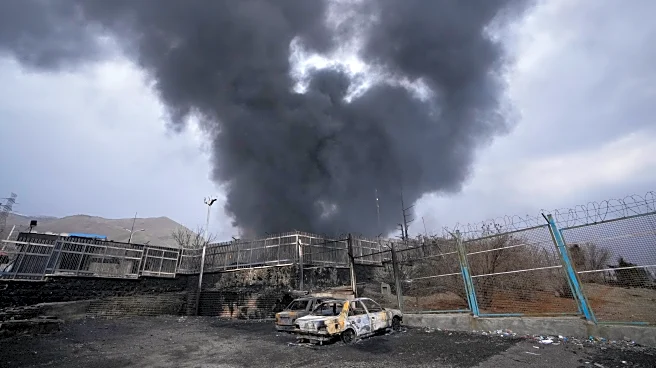
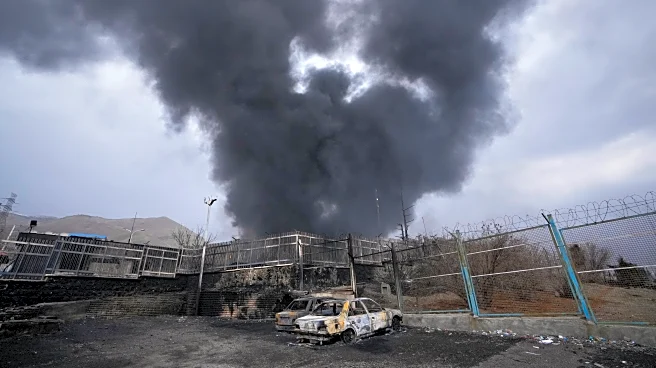
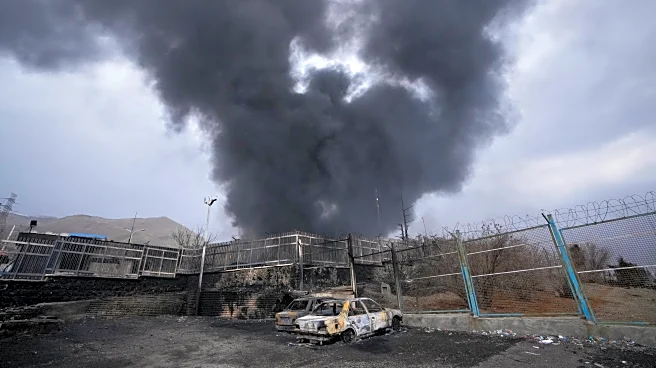
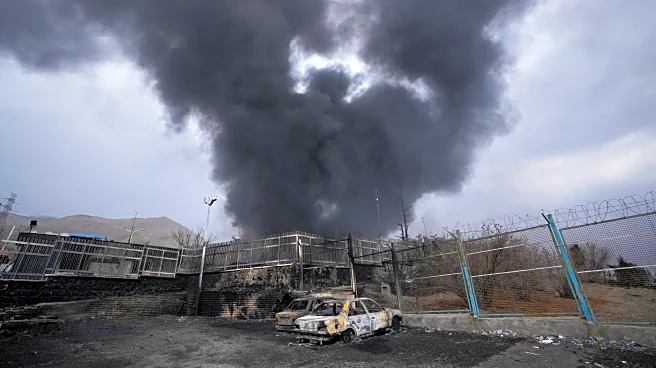
As oil prices surge following the U.S. and Israel's military actions against Iran, President Trump has downplayed the necessity of using the Strategic Petroleum Reserve (SPR) to alleviate pressure on the energy market. Despite the escalating conflict
in the Middle East affecting global oil supply, Trump emphasized the U.S.'s substantial oil reserves and suggested that the situation would stabilize quickly. The SPR, a collection of underground salt caverns in Texas and Louisiana, holds over 415 million barrels of oil. Historically, it has been used to mitigate supply disruptions, but Trump has opted not to tap into it, focusing instead on criticizing previous administrations for depleting the reserve.
Why It's Important?
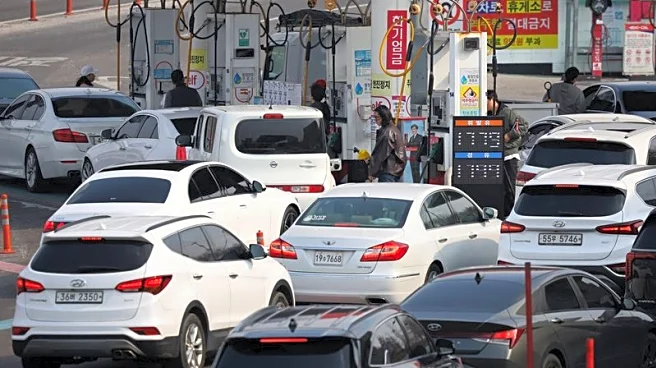
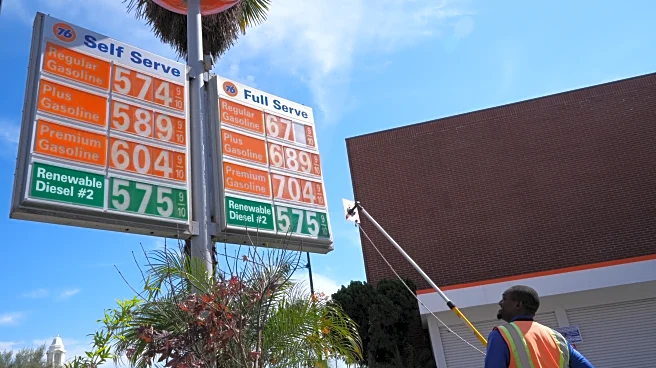
The decision not to utilize the SPR amid rising oil prices has significant implications for the U.S. economy and consumers. With gas prices already increasing, the administration's stance could affect affordability and economic stability, particularly as midterm elections approach. The SPR is one of the few tools available to a president to influence oil prices directly, and its use or non-use can have political and economic repercussions. The situation underscores the complexities of managing national energy resources in the context of international conflicts and domestic economic pressures.
What's Next?
As the conflict in the Middle East continues, the administration may face increasing pressure to reconsider its stance on the SPR. The potential for further escalation could lead to higher oil prices, impacting consumers and the broader economy. Political opponents may use the situation to critique the administration's energy policies, influencing the upcoming elections. Additionally, the administration's approach to managing the SPR could set a precedent for future energy crises.