






What's Happening?
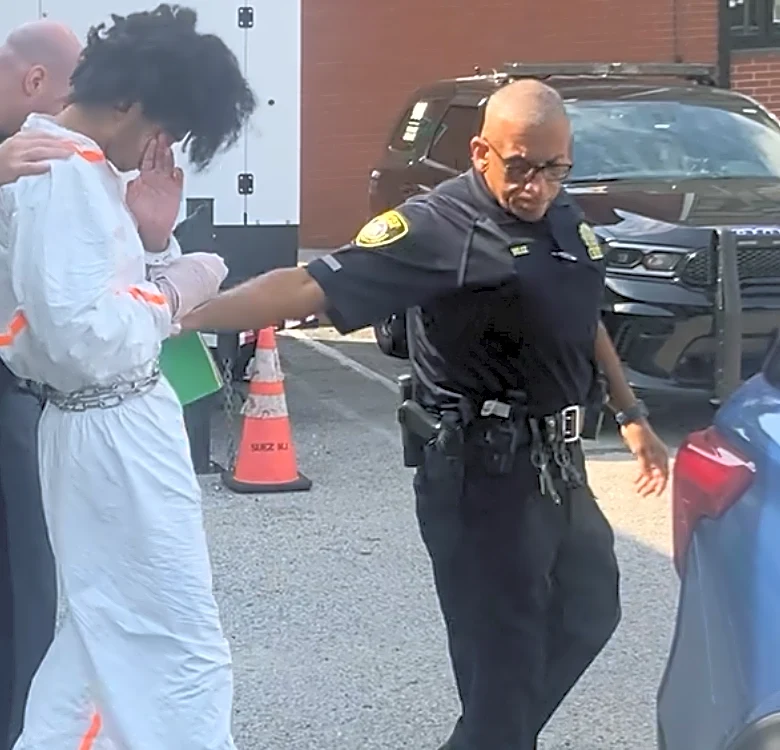
Carmine Agnello, grandson of notorious Gambino crime boss John Gotti, married Ariana Puran two days before surrendering to federal prison on August 10. Agnello, 40, is serving a 15-month sentence for a $1 million COVID relief scam, having pleaded guilty
to wire fraud in 2024 for defrauding the U.S. Small Business Administration and financial institutions. He used approximately $420,000 of the scammed funds to invest in a failed cryptocurrency firm. Agnello was initially granted a two-month delay to his sentence, which was due to begin on June 2, after stating he intended to donate a kidney to his mother, Victoria Gotti. However, the surgery was never performed. Puran had previously accused Agnello of assault on June 4, alleging he choked and slapped her in his East Norwich home during an argument over a reputed affair. Despite her later downplaying the incident as a 'regular couple’s argument,' Victoria Gotti publicly criticized Puran for involving the police. The assault case against Agnello remains pending in state court. Agnello is currently serving his sentence at FCI Fairton in New Jersey and is scheduled for release in August.
Why It's Important?
This case highlights the ongoing legal repercussions for individuals involved in COVID-19 relief fraud, underscoring federal efforts to prosecute those who exploited pandemic-era programs. The substantial amount defrauded, over $1 million, and its diversion into speculative investments like cryptocurrency, illustrate the varied methods used to misuse these funds. The personal drama surrounding Agnello's marriage to his accuser, and his mother's public reaction, draws attention to the complexities often associated with individuals from prominent organized crime families, even as they face charges for white-collar crimes. The initial delay in his prison sentence for a kidney donation, which ultimately did not occur, raises questions about the judicial process and the scrutiny applied to such requests. Furthermore, the pending state assault charges against Agnello, despite his marriage to the alleged victim, indicate continued legal challenges and potential consequences beyond his federal sentence, reflecting the justice system's commitment to addressing various forms of criminal behavior.
What's Next?
Carmine Agnello is currently serving his 15-month federal sentence at FCI Fairton in New Jersey, with a scheduled release in August. Upon his release from federal prison, he will still face pending state court charges for assault related to the alleged incident with Ariana Puran. The outcome of this state case will determine any further legal consequences for Agnello. The legal proceedings for the assault charge will likely involve further court appearances and potentially a trial or plea agreement. The public and media will likely continue to follow developments, particularly given his family's notoriety. The case also serves as a reminder of the ongoing efforts by federal authorities to track and prosecute individuals who committed fraud related to COVID-19 relief programs, suggesting that more such cases may continue to emerge as investigations conclude.
Beyond the Headlines
The narrative surrounding Carmine Agnello, a descendant of a notorious crime boss, marrying his accuser while facing federal charges for COVID relief fraud, delves into the intersection of personal relationships, public perception, and the justice system. The family's history, particularly Victoria Gotti's public comments, underscores the enduring influence and scrutiny associated with the Gotti name, even in cases unrelated to traditional organized crime. The use of COVID relief funds for cryptocurrency investments also highlights a modern dimension of financial crime, where new technologies can be exploited for illicit gains. This case implicitly raises questions about the effectiveness of oversight mechanisms for pandemic relief programs and the challenges in recovering misappropriated funds. The personal dynamics, including the alleged assault and subsequent marriage, add a layer of complexity to the legal proceedings, potentially influencing public and judicial perspectives on the nature of the crimes and the individuals involved.