






What's Happening?
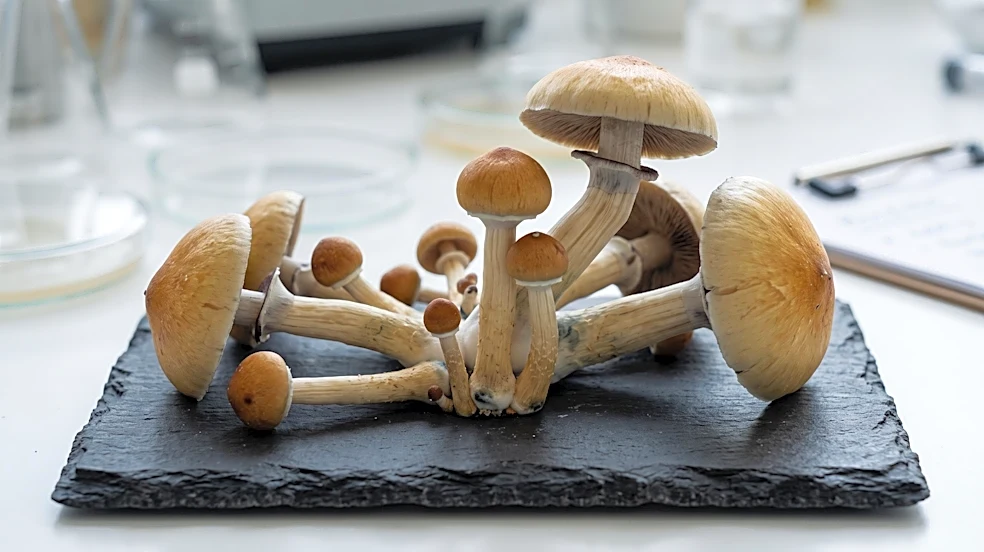
A new Israeli study has found that the concentration of psychoactive compounds in 'magic mushrooms' can vary by nearly eightfold between different strains of the same species, even when grown under identical laboratory conditions. The research, conducted
at the Shamir Research Institute and published in the Journal of Fungi, examined 14 strains of Psilocybe cubensis and found that neither a mushroom's weight nor its species or strain name reliably predicts the amount of active substances. Significant variability was also observed between individual mushrooms from the same strain grown in the same container. This inconsistency poses a significant challenge for the development of standardized medical products based on whole mushrooms, which are being investigated for treating mental health conditions like depression and PTSD. The study emphasizes that accurate chemical analysis is crucial for reliable comparisons in research and for ensuring precise dosing in potential psychiatric treatments.
Why It's Important?
This research is highly important for the U.S. medical and scientific communities, particularly as psilocybin gains traction as a potential therapeutic agent for mental health conditions. The significant variability in active compound concentrations directly impacts the ability to develop consistent and precisely dosed psilocybin-based treatments. For clinical trials and future pharmaceutical applications in the U.S., ensuring a standardized and predictable amount of the active compound is paramount for patient safety and treatment efficacy. This finding highlights a major hurdle for companies and researchers aiming to bring whole-mushroom-derived psilocybin products to market, potentially favoring synthetic psilocybin or highly controlled mycelial extracts. It also has implications for the growing interest in decriminalization and regulated access to psilocybin, as it underscores the risks associated with unsupervised use where individuals cannot ascertain the potency of what they are consuming.
What's Next?
The next stage of research will focus on developing more controlled production methods to achieve chemical uniformity. Psilution, a subsidiary of the Shamir Research Institute, plans to cultivate mycelium (the fungal filaments) in a liquid medium within a bioreactor, rather than growing complete mushrooms on a solid substrate. This method is expected to produce a more chemically uniform material and significantly shorten production times. For the U.S., this suggests a future where medical psilocybin products might lean towards highly controlled, lab-grown extracts or synthetic versions rather than whole mushroom preparations. Regulatory bodies will likely require stringent standardization and quality control measures for any psilocybin-based therapies. Further research will also be needed to understand the full spectrum of psychoactive compounds in mushrooms and their synergistic effects, which could influence treatment outcomes.
Beyond the Headlines
Beyond the immediate scientific and medical implications, this study touches upon broader societal and ethical considerations surrounding psychedelic substances. The variability in natural mushrooms highlights the inherent challenges of integrating traditional or natural remedies into modern pharmaceutical frameworks that demand precision and standardization. It could fuel debates about the role of 'natural' versus 'synthetic' compounds in medicine and the regulatory pathways for each. For individuals considering unsupervised use, the findings serve as a stark warning about the unpredictable potency of natural mushrooms, emphasizing safety concerns. Culturally, as psilocybin moves from illicit substance to potential medicine, this research contributes to a more informed public discourse, emphasizing the need for scientific rigor and controlled environments to harness its therapeutic potential responsibly. It also underscores the complexity of botanical medicine and the scientific challenges in isolating and standardizing active components from natural sources.