


What's Happening?
The Arab Parliament has issued an urgent call to the international community and the United Nations to take immediate action to protect displaced Palestinians in the Gaza Strip. Hundreds of thousands are facing increasingly harsh conditions due to freezing
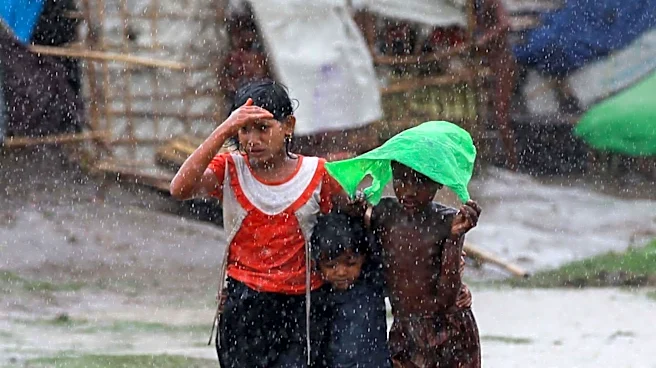
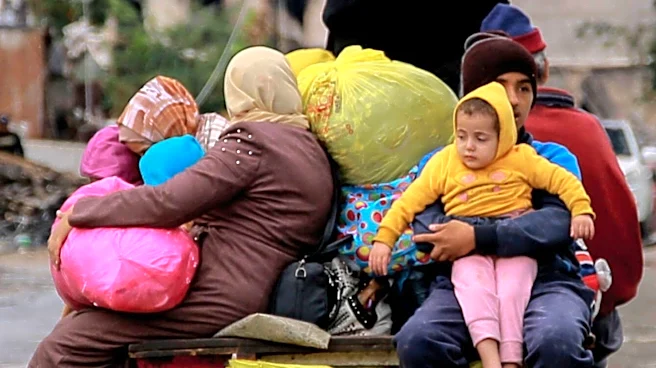
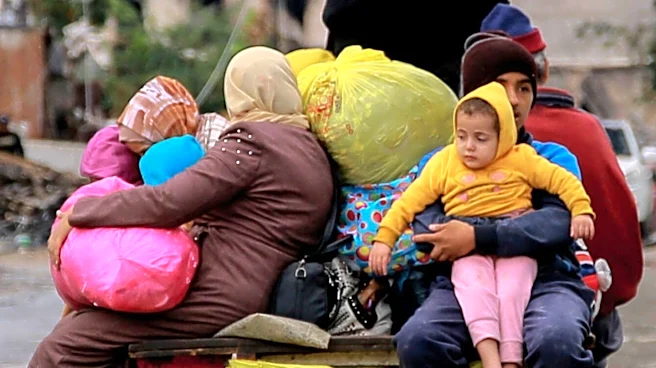
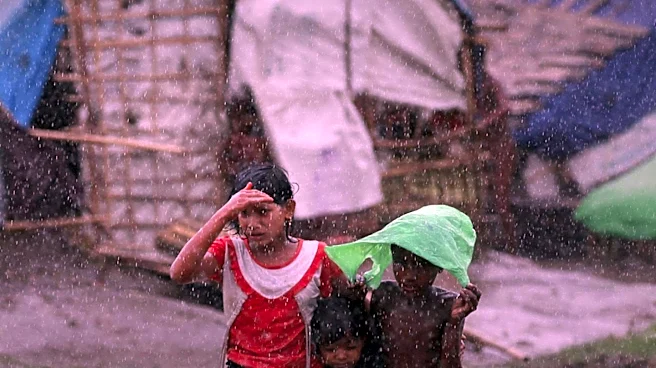
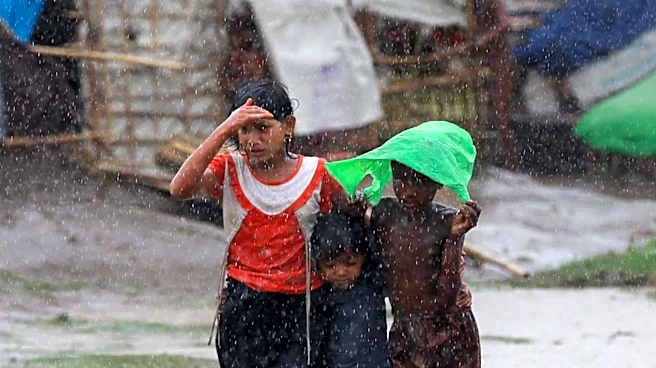
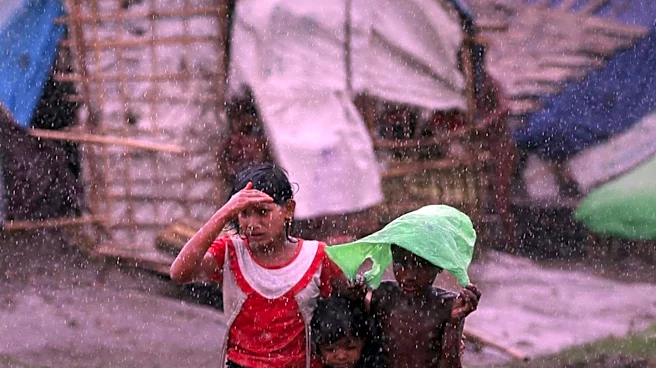
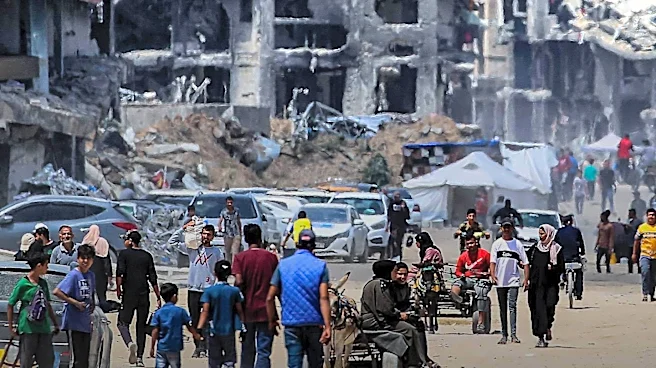
temperatures, heavy rainfall, and flooding in deteriorating displacement tents. The parliament highlighted that the humanitarian situation is worsening, threatening the lives and safety of displaced families who lack basic requirements for safe shelter. Images of flooded tents, some collapsed, and suffering children, women, and elderly people reflect a grave humanitarian tragedy. The parliament criticized the international community's response as limited to statements of concern, while Palestinians face death in exposed areas after their homes were destroyed. This crisis is exacerbated by widespread destruction from military operations and the deprivation of basic necessities. The appeal follows the deaths of five Palestinians, including a woman and three children, when a sand embankment collapsed onto tents in Deir al-Balah. Heavy rainfall has flooded tents and damaged shelter centers, raising warnings about structurally weakened buildings.
Why It's Important?
This situation underscores a critical humanitarian crisis with significant implications for international law and human rights. The Arab Parliament's call emphasizes that protecting civilians and providing for their essential needs are legal obligations under international humanitarian law, specifically the Fourth Geneva Convention, as well as humanitarian and moral responsibilities. The ongoing conditions in Gaza, marked by inadequate shelter and exposure to severe weather, highlight a failure to uphold these obligations. The deaths reported due to collapsing structures and flooding illustrate the immediate and dire consequences of insufficient aid and protection. The parliament's criticism of the international community's response suggests a perceived lack of effective action, which could further erode trust in international bodies and humanitarian efforts. The long-term impact could include increased displacement, health crises, and a deepening humanitarian catastrophe if urgent measures are not implemented to provide adequate housing, shelter materials, heating, blankets, and medicines without restrictions.
What's Next?
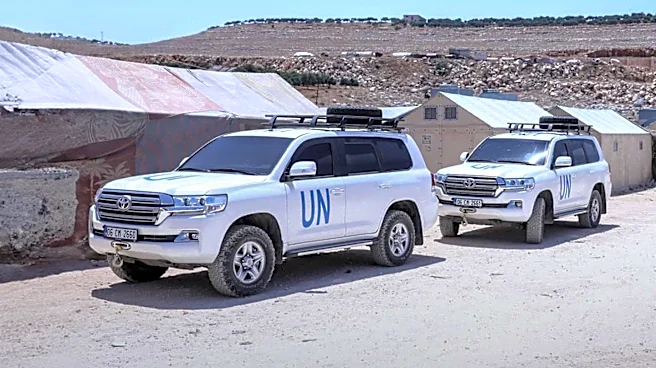
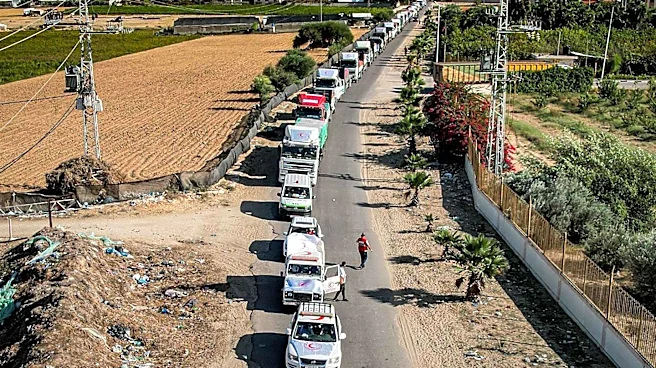
The Arab Parliament has urged the United Nations, the UN Security Council, and humanitarian organizations to act immediately. Specific demands include providing temporary housing, weather-resistant tents, shelter materials, heating supplies, blankets, and medicines. They also called for humanitarian aid to be allowed into Gaza without restrictions and for urgent measures to protect displaced people from rainfall and flooding. Furthermore, the parliament called for Israeli authorities to be compelled to respect their obligations under international humanitarian law and ensure aid reaches those in need. The immediate next steps would involve these international bodies assessing the feasibility and logistics of increasing aid delivery and ensuring its unhindered distribution. Pressure may mount on relevant authorities to facilitate access and provide necessary protections. The effectiveness of these calls will depend on the political will and logistical capabilities of international actors and the cooperation of all parties involved in the region.
Beyond the Headlines
Beyond the immediate humanitarian crisis, this situation highlights deeper issues concerning the enforcement of international humanitarian law and the accountability of states in conflict zones. The Arab Parliament's strong language, moving beyond 'statements of solidarity and sympathy,' suggests a growing frustration with the perceived inaction of global powers. This could lead to increased diplomatic pressure and potentially new resolutions or interventions aimed at compelling compliance with international obligations. The long-term implications include the potential for a protracted humanitarian disaster, which could destabilize the region further and create lasting social and health crises for the affected population. The ongoing destruction of infrastructure and the lack of basic necessities also raise questions about post-conflict reconstruction and the feasibility of sustainable living conditions for Palestinians in Gaza, even if immediate aid is provided. The ethical dimension of allowing such conditions to persist, despite international legal frameworks, will likely continue to be a point of contention and debate.