



What's Happening?
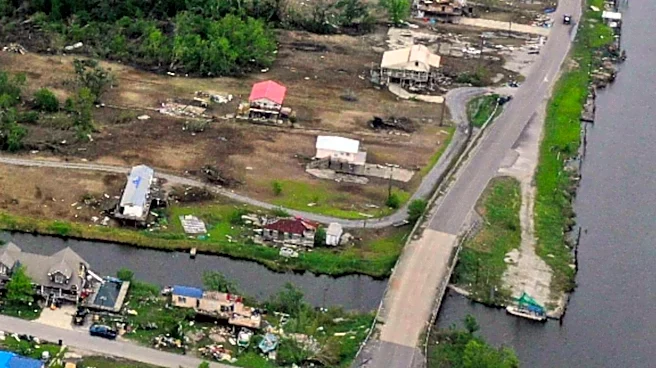
Senator Sherry Rehman, Vice President of the Pakistan Peoples Party (PPP), has voiced significant concerns regarding the recent flooding in Islamabad and Rawalpindi. She asserts that the situation has exposed critical deficiencies in Pakistan's disaster
preparedness and urban flood management systems. According to Rehman, recurring municipal issues, such as unchecked construction over natural drainage channels, poor urban planning, and insufficient investment in climate-resilient infrastructure, are major contributors to the annual severe flooding. She highlighted that authorities are struggling to manage the current rainfall, leading to inundation in several parts of the twin cities. Rehman emphasized that the discussion around these issues is often reactive, only beginning after damage has occurred, lives have been lost, and communities devastated, without a sustained national conversation throughout the year. She called for immediate acceleration of rescue and relief operations to ensure timely assistance for affected citizens.
Why It's Important?
The criticism from Senator Sherry Rehman underscores a critical national issue in Pakistan: the persistent vulnerability to natural disasters, particularly urban flooding, and the perceived inadequacy of governmental response and long-term planning. This situation is important because it highlights the human and economic costs of insufficient infrastructure and reactive disaster management in a country increasingly susceptible to climate change impacts. The lack of proactive measures means that communities face repeated devastation, leading to loss of life, property, and livelihoods. Furthermore, it points to a broader governance challenge where federal and provincial institutions may be shifting responsibility instead of collaborating on a coordinated strategy. The call for modernizing drainage systems, regular maintenance of stormwater channels, and strengthening flood management mechanisms is crucial for protecting citizens and ensuring sustainable urban development in the face of escalating climate threats.
What's Next?
Senator Sherry Rehman has urged the government to immediately accelerate relief activities, ensure the safe evacuation of vulnerable citizens, and provide essential supplies such as food, clean drinking water, and urgent medical assistance. She stressed that emergency measures after each heavy rainfall are no longer sufficient and called for permanent and effective reforms to address the growing threat of urban flooding. Rehman emphasized the need for federal and provincial institutions to cease shifting responsibility and instead work together on a coordinated strategy. This includes modernizing drainage systems, ensuring regular cleaning and maintenance of stormwater channels, strengthening flood management mechanisms, and establishing effective early warning systems. The ongoing situation will likely put pressure on the government to demonstrate a more proactive and comprehensive approach to disaster management and climate resilience.
Beyond the Headlines
The recurring flood crises in Pakistan, as highlighted by Senator Sherry Rehman, point to deeper systemic issues beyond immediate disaster response. The problem extends to ethical and governance dimensions, where unchecked construction and poor urban planning are allowed to compromise public safety and environmental integrity. This suggests a potential lack of accountability and foresight in development policies. Culturally, there might be a societal acceptance or resignation to these annual events, which hinders the demand for long-term solutions. The long-term shift required is a fundamental re-evaluation of urban development strategies, integrating climate change adaptation into all levels of planning and infrastructure investment. This would involve not just engineering solutions but also fostering a culture of preparedness and environmental stewardship among both the public and policymakers, moving from a reactive stance to a proactive, resilient national framework.