





What's Happening?
Congress returns from recess with a stalled agenda due to a Republican revolt over the Trump administration's 'anti-weaponization' fund. The $1.776 billion fund, part of a settlement from President Trump's lawsuit against the IRS, aims to compensate individuals
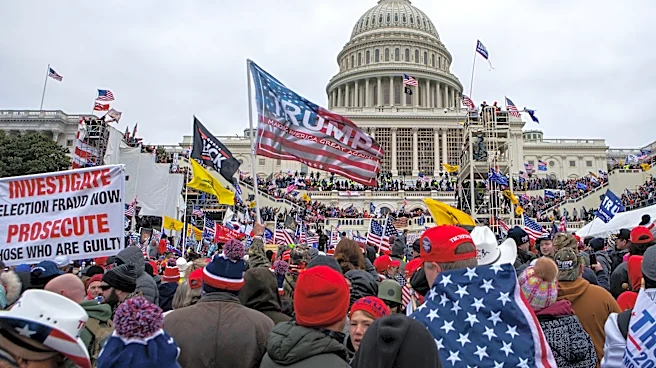
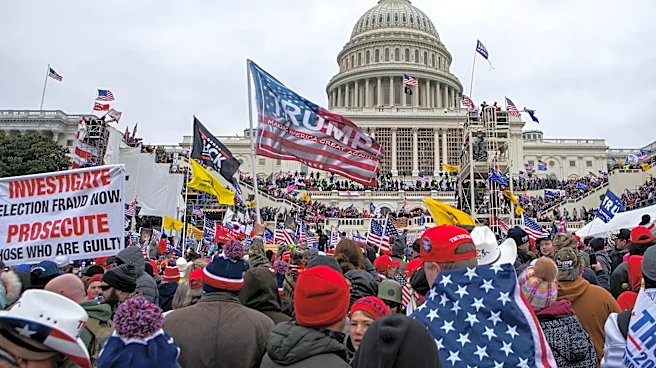
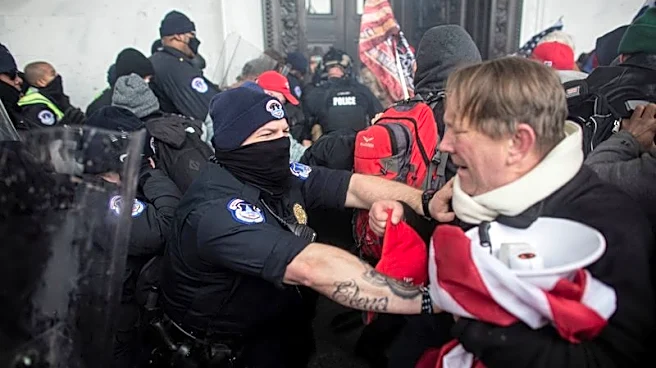
who claim legal system misuse. This has caused a delay in passing a $72 billion immigration enforcement package. Senate Republicans, divided over the fund, express concerns about its potential misuse, especially regarding claims from Trump allies involved in the January 6 Capitol attack. Democrats plan to introduce amendments targeting the fund, complicating the legislative process.
Why It's Important?
The controversy over the 'anti-weaponization' fund underscores the internal divisions within the GOP and the challenges in advancing their legislative agenda. The fund's potential to compensate individuals involved in the January 6 attack raises ethical and political concerns, affecting the GOP's unity and legislative strategy. The outcome of this dispute could impact the GOP's ability to pass key immigration funding and influence their standing in upcoming elections. The situation also highlights the broader implications of political settlements and their impact on governance and public trust.
What's Next?
As Congress reconvenes, Republicans must address the controversy surrounding the fund to move forward with the immigration funding bill. The White House may need to propose changes to the fund to satisfy GOP concerns and avoid further legislative delays. Democrats are prepared to challenge the fund through amendments, potentially forcing Republicans to publicly address the issue. The resolution of this conflict will be crucial for the GOP's legislative success and could have significant political ramifications.