






What's Happening?
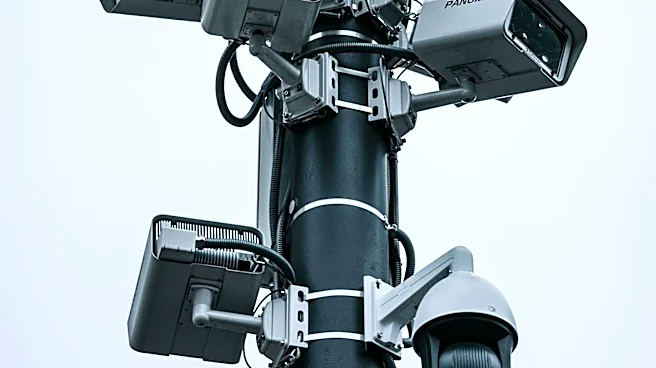
Republican Rep. Eric Burlison of Missouri, alongside Rep. Thomas Massie of Kentucky, has introduced the 'Flock-Off Act' at the federal level. This proposed legislation aims to prohibit the use of federal funds for the purchase or operation of Automated
License Plate Readers (ALPRs). Furthermore, it mandates that any entities currently receiving federal funds for ALPRs would have 180 days to dismantle their existing systems. This initiative is part of a broader, bipartisan movement to curb the proliferation of ALPR technology, which critics argue constitutes warrantless mass surveillance. The pushback against these camera networks, particularly those from Flock Safety, has gained traction across various political spectrums, with officials at state and local levels also taking action to restrict or remove these devices. For instance, Texas Governor Greg Abbott has blocked state agencies from spending on these cameras, and Florida's Department of Transportation revoked permits for them on state highways.
Why It's Important?
The 'Flock-Off Act' and similar legislative efforts are significant as they address growing concerns over privacy and civil liberties in the face of expanding surveillance technologies. The debate pits public safety objectives, often cited by law enforcement as a justification for ALPRs, against the constitutional right to be free from unreasonable government surveillance. If passed, the act would significantly impact law enforcement agencies nationwide that rely on federal funding for their ALPR programs, potentially forcing them to re-evaluate their surveillance strategies. The bipartisan nature of the opposition, as highlighted by the collaboration between Republican and Democratic officials, underscores a widespread concern that these systems create a 'warrantless tracking grid.' This legislative push could set a precedent for how emerging technologies are regulated to balance security needs with individual privacy rights, affecting both the tech industry that develops these systems and the communities where they are deployed.
What's Next?
The 'Flock-Off Act' will proceed through the legislative process in Congress, where it will likely face debate and potential amendments. Its success will depend on gaining sufficient bipartisan support to overcome potential opposition from law enforcement advocates and industry groups. Concurrently, state and local efforts to restrict ALPRs are expected to continue, with more communities potentially canceling contracts or enacting their own regulations. The ongoing discussion will likely involve further testimony from privacy advocates, law enforcement officials, and technology providers. The outcome of these legislative battles could influence the future development and deployment of surveillance technologies in the U.S., potentially leading to stricter regulations or, conversely, a more standardized framework for their use if compromises are reached. The debate will also continue to shape public perception regarding the trade-offs between security and privacy in the digital age.
Beyond the Headlines
The controversy surrounding ALPRs delves into fundamental questions about the nature of privacy in an increasingly digitized society. The 'Flock-Off Act' highlights the tension between technological advancements designed for security and the potential for these tools to erode civil liberties. Beyond the immediate legislative impact, this movement could foster a broader societal discussion about data ownership, government access to personal information, and the definition of 'reasonable' surveillance in the 21st century. The bipartisan opposition suggests that concerns about mass surveillance transcend traditional political divides, indicating a deeper cultural unease with pervasive tracking. This could lead to increased public demand for transparency and accountability from both government agencies and private companies involved in surveillance, potentially influencing future policy-making on a wide range of data-collection technologies. The ethical implications of using AI-powered systems to monitor citizens' movements without explicit consent are also at the forefront of this discussion.