






What's Happening?
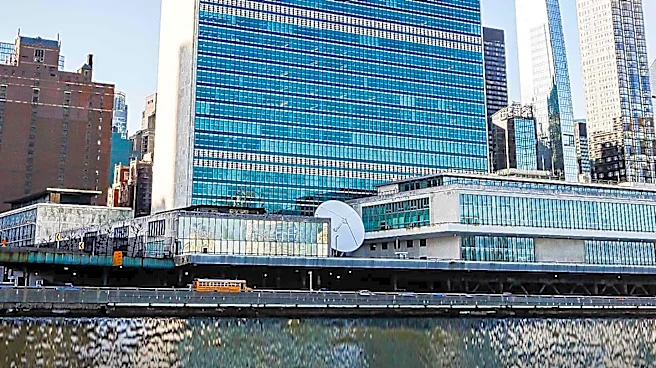
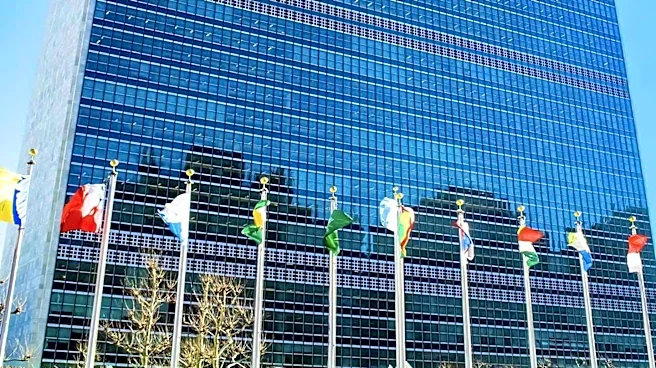
On United Nations Day, Deputy Minister Kenny Morolong of South Africa delivered a speech emphasizing the critical role of multilateralism in addressing global challenges. He highlighted the need for stronger global action on climate resilience, adaptation,
and predictable financing for a just energy transition, stressing that climate justice requires solidarity, partnership, and shared but differentiated responsibilities. Morolong also addressed the opportunities and risks associated with emerging technologies like artificial intelligence, digital transformation, and the growing demand for critical minerals, asserting that these developments must not exacerbate existing inequalities. He called for Africa's meaningful participation in shaping the rules, standards, and institutions governing the future technological landscape. The Deputy Minister underscored the UN's enduring function as a forum for nations to collaborate on solutions to shared global challenges, providing life-saving assistance and supporting sustainable development worldwide.
Why It's Important?
This statement from a significant African nation holds considerable importance for U.S. foreign policy and global relations. South Africa's call for climate justice and equitable technology governance resonates with ongoing international dialogues and could influence U.S. engagement in these areas. The emphasis on multilateralism suggests a preference for collaborative solutions over unilateral actions, which could impact U.S. diplomatic strategies and alliances. Furthermore, the demand for Africa's inclusion in shaping technological rules highlights the continent's growing influence and the need for U.S. businesses and policymakers to consider African perspectives in technology development and critical mineral supply chains. This stance could also affect U.S. investments and partnerships in Africa, particularly in sectors related to renewable energy and advanced technologies.
What's Next?
South Africa's continued advocacy for multilateralism and equitable global governance is expected to be a consistent theme in its international engagements. This will likely translate into active participation in UN forums, climate conferences, and discussions on technology regulation. The call for predictable financing for a just energy transition suggests that South Africa will push for increased financial commitments from developed nations, including the U.S., to support developing countries in their climate efforts. Furthermore, South Africa may seek to form alliances with other African nations and developing countries to collectively advocate for greater representation and influence in global decision-making bodies, particularly concerning technology and critical minerals. This could lead to new international frameworks or agreements that aim to address global inequalities and ensure a more inclusive approach to global challenges.
Beyond the Headlines
The Deputy Minister's speech reflects a deeper concern about the structural inequalities embedded within the current global system. By linking climate justice and technological governance to the broader theme of multilateralism, South Africa is advocating for a fundamental re-evaluation of how global power and resources are distributed. This perspective challenges the traditional dominance of certain nations in setting international agendas and calls for a more democratic and representative global order. The emphasis on Ubuntu, international law, and dialogue as anchors of South Africa's foreign policy suggests a moral and ethical framework for international relations that prioritizes human dignity and collective well-being. This could inspire other nations to adopt similar principles, fostering a more cooperative and less confrontational international environment.