





What's Happening?
On September 9, 2026, Hong Kong’s Department of Health (DH), through the Office for Regulation of Private Healthcare Facilities (ORPHF), issued an update on regulatory requirements for injectable and infusible products used in licensed private healthcare
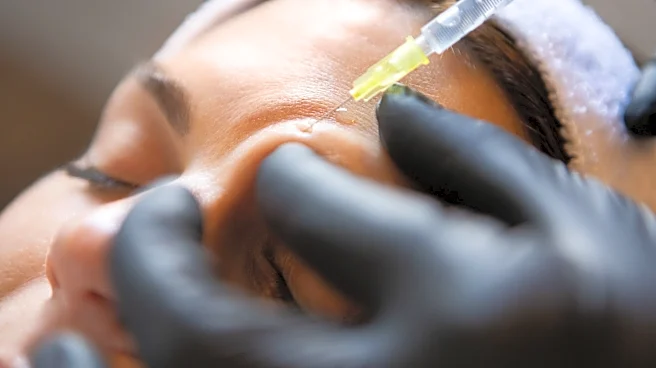
facilities (PHFs). This update, endorsed by the Advisory Committee for Regulatory Standards for Private Healthcare Facilities, introduces clearer compliance requirements. Specifically, from March 1, 2027, all injectable and infusible medical devices, including injectable dermal fillers and injectable mucous membrane fillers, must be listed under Hong Kong’s Medical Device Administrative Control System (MDACS) when used in licensed PHFs. Products used in these facilities must fall into one of three categories: registered pharmaceutical products, compliant human organ/tissue products, or MDACS-listed medical devices. This change aims to strengthen oversight and ensure the safety, quality, and performance standards of products administered to patients in private healthcare settings.
Why It's Important?
This regulatory update signifies a significant shift in how medical devices, particularly aesthetic products like dermal fillers, are controlled in Hong Kong's private healthcare sector. For manufacturers and suppliers of injectable medical devices, this mandate necessitates a proactive review of their product portfolios and compliance processes. Failure to secure MDACS listing by the March 2027 deadline could lead to market access disruptions, as unlisted products will not be permitted for use in licensed PHFs. The explicit inclusion of dermal fillers and mucous membrane fillers indicates increased regulatory scrutiny on aesthetic medicine, which could influence product development, marketing strategies, and supply chain management for companies operating in or looking to enter the Hong Kong market. Healthcare facilities also face the responsibility of ensuring their suppliers comply, as non-compliance could impact their licensing and operational continuity.
What's Next?
Manufacturers and suppliers of injectable medical devices, especially those in the aesthetic medicine sector, are advised to confirm their product classification and MDACS status immediately. For products not yet listed, initiating MDACS applications as soon as possible is crucial to avoid potential market access disruptions before the March 1, 2027 deadline. Healthcare facilities should conduct thorough product compliance reviews for all injectable and infusible products currently in use, strengthening procedures for supplier qualification, product verification, and procurement documentation. Revised Codes of Practice (CoPs) are expected to be gazetted in Q4 2026, which will further define compliance requirements. These upcoming changes will be a condition for the issuance and renewal of PHF licenses, making timely preparation essential for all stakeholders.
Beyond the Headlines
The move by Hong Kong's Department of Health reflects a broader global trend towards enhanced regulatory oversight of medical devices, particularly those with direct patient contact and those used in elective procedures. This increased scrutiny aims to bolster patient safety and product efficacy, potentially setting a precedent for other regions to adopt similar stringent controls. The shift from a voluntary to a mandatory listing system for certain medical devices underscores a growing emphasis on accountability within the healthcare supply chain. This could lead to a more standardized and transparent market for medical devices, fostering greater trust among consumers and healthcare providers. Furthermore, it highlights the evolving landscape of medical device regulation, where the lines between pharmaceuticals, biologics, and traditional medical devices are becoming increasingly blurred, necessitating comprehensive and adaptive regulatory frameworks.