


What's Happening?
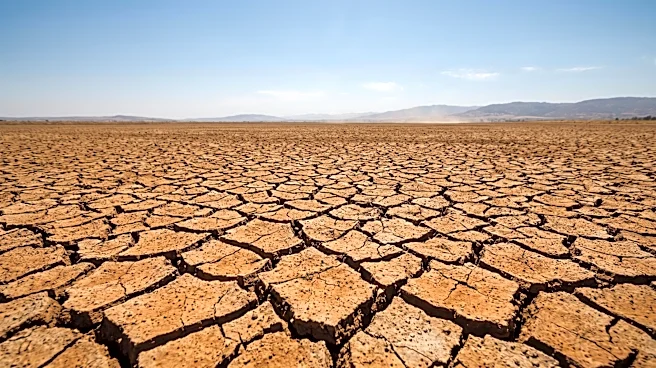
Zimbabwe is actively preparing for a strong El Niño event anticipated during the 2026/2027 summer season by implementing a comprehensive Drought Mitigation Plan. The government, led by President Emmerson Mnangagwa, has initiated the construction of a 600,000-metric-tonne
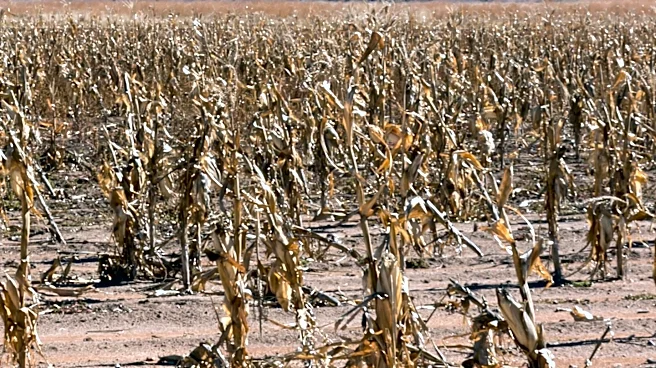
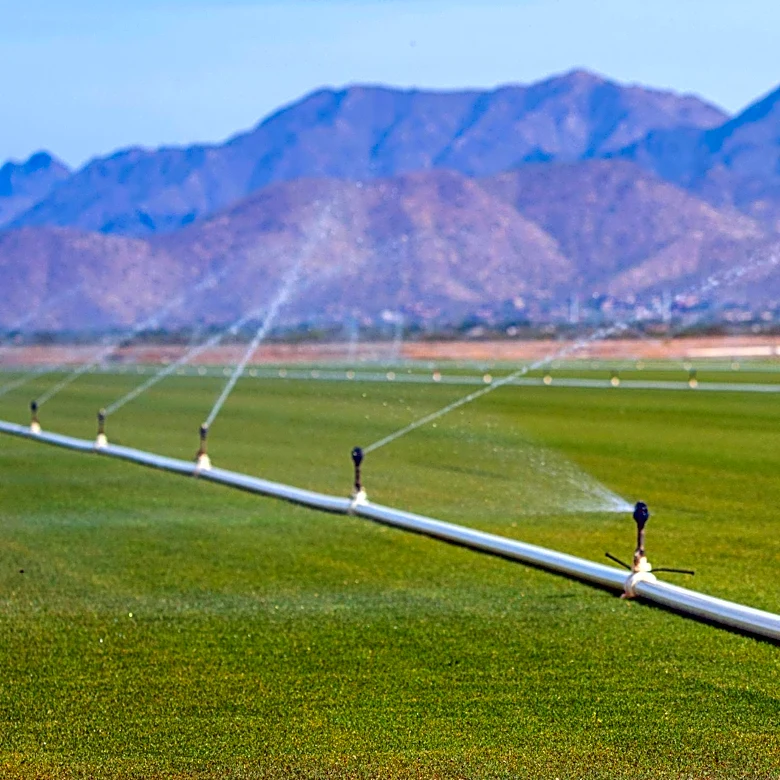
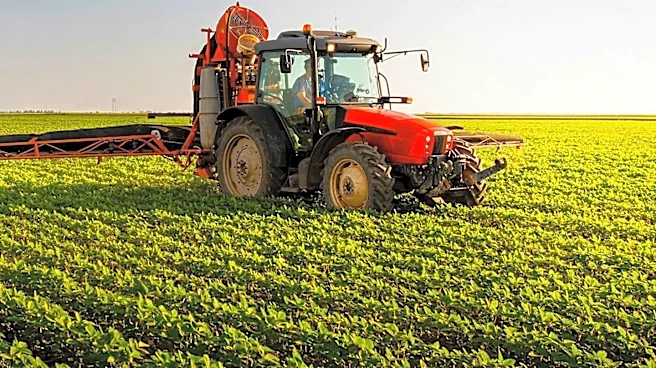
Strategic Grain Reserve, leveraging new artificial intelligence (AI)-powered silos to enhance food security. As of November 9, 2026, the Grain Marketing Board held 365,688 metric tonnes in this reserve. Additionally, 914 Ward Drought Mitigation Centres have been established across the country's 1,527 rural wards. These centers aim to provide reliable markets, timely information, and fair price negotiations for crops and livestock, protecting growers from exploitation. The plan also includes significant irrigation development, reaching 308,969 hectares, with 119,068 hectares specifically for maize production. A new soil fertility map has been developed to guide productivity improvements through soil health initiatives. The government estimates that 2,248,498 cattle, representing 38.9% of the national herd, are at risk from the anticipated drought, with mitigation focusing on water provision, livestock feed, and disease control.
Why It's Important?
This proactive approach by the Zimbabwean government is crucial for safeguarding national food security and protecting the livelihoods of millions of farmers and livestock owners. The establishment of a substantial Strategic Grain Reserve, supported by AI technology, aims to buffer potential harvest shortfalls and stabilize food supplies during periods of drought. The Ward Drought Mitigation Centres are designed to empower rural communities by ensuring fair market access and pricing for their produce and livestock, thereby preventing economic hardship and exploitation by middlemen. This initiative is particularly vital for the agricultural sector, which forms the backbone of the Zimbabwean economy. By investing in irrigation infrastructure and soil health, the government is working to build long-term resilience against climate variability, reducing the country's vulnerability to future droughts and ensuring more stable agricultural output. The focus on livestock protection also addresses a critical component of rural wealth and food sources.
What's Next?
The government's 2026/2027 Summer Plan, which integrates the Drought Mitigation Plan, will continue to be implemented with ongoing coordination between government and various sectors. Early warning systems are in place, and communication with farmers and traditional leaders is being enhanced, alongside efforts to strengthen farmer capacity building and extension support. The remaining target for the Strategic Grain Reserve is expected to be met by October of the following year. The Presidential Poultry and Goat Schemes will also continue as pass-on initiatives to further support rural livelihoods. The effectiveness of these measures will be closely monitored as the anticipated El Niño event unfolds, with a focus on ensuring food security and mitigating the impact on vulnerable populations and livestock. The newly established ward centers will become operational hubs for agricultural support and market access.
Beyond the Headlines
The comprehensive nature of Zimbabwe's drought mitigation strategy highlights a broader shift towards climate resilience and sustainable agricultural practices in the face of increasing climate change impacts. The integration of AI-powered silos signifies an embrace of advanced technology to address traditional challenges in food security. Furthermore, the emphasis on empowering local communities through ward-level centers reflects a decentralized approach to disaster preparedness, aiming to build self-sufficiency and reduce reliance on centralized aid. This strategy could serve as a model for other nations grappling with similar climate-induced agricultural vulnerabilities. The focus on protecting women, who often bear the brunt of water collection during droughts, through initiatives like boreholes, underscores a recognition of the gendered impacts of climate change and the need for inclusive solutions.