




What's Happening?
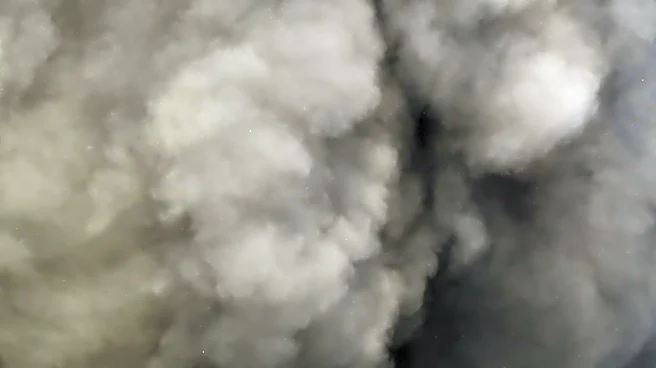
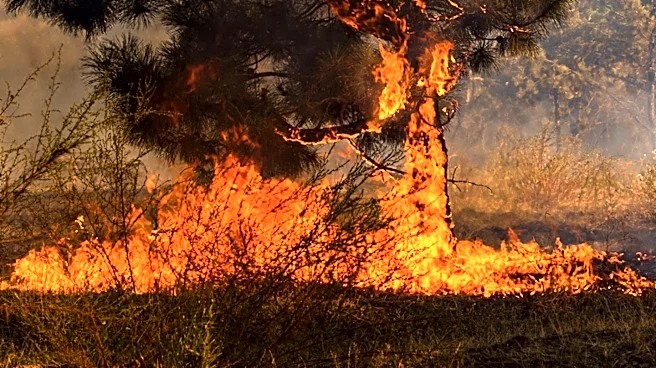
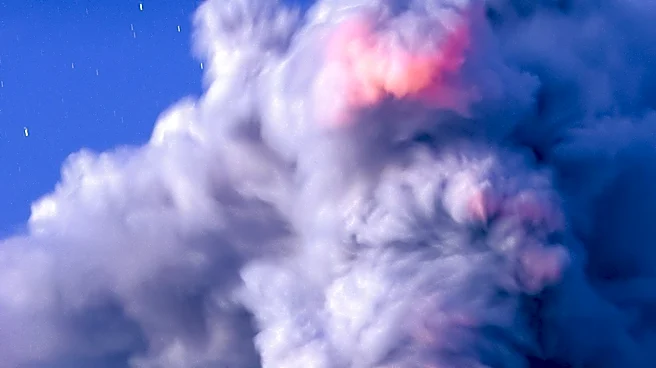
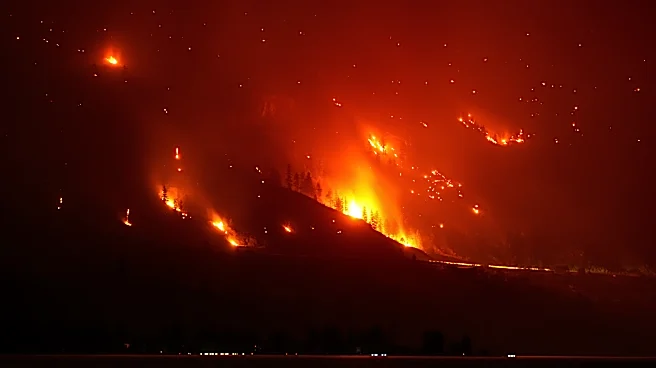
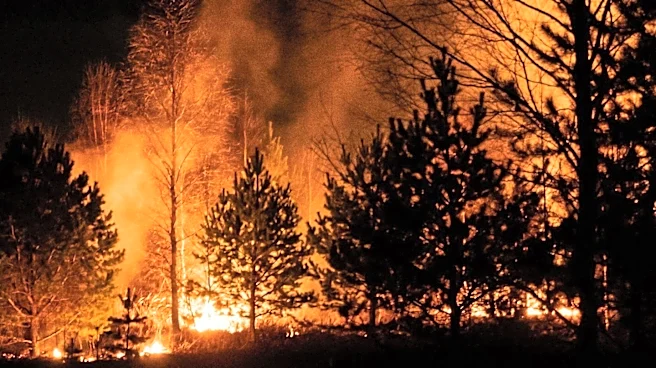
The Moose Fire, located 24 miles southwest of Philipsburg, Montana, has burned 4,314 acres and remains uncontained. Evacuation orders have been issued for the Frog Pond Basin, while warnings are in place for areas south of the Highway 38 junction with
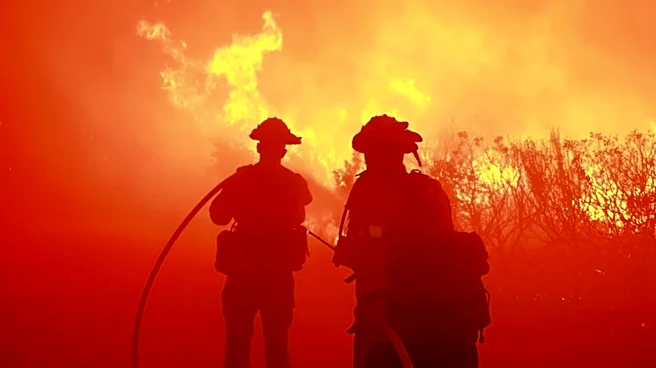
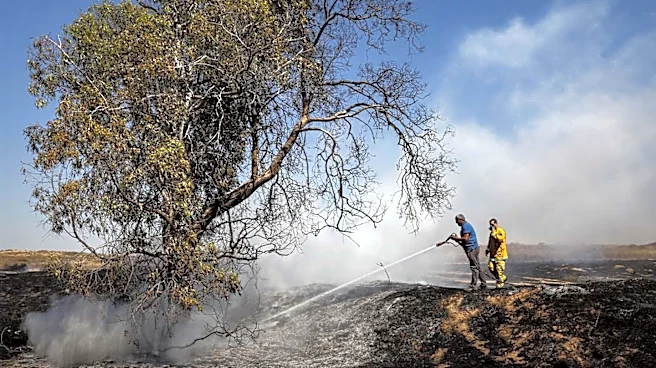
Moose Lake Road. The fire, which started on July 26, has been fueled by low humidity and gusty winds, leading to rapid growth. Firefighters, supported by aircraft scooping water from Georgetown Lake, are working to protect structures and strengthen containment lines. The fire's behavior is expected to remain aggressive due to continued warm and dry weather conditions.
Why It's Important?
The Moose Fire underscores the ongoing threat of wildfires in the western United States, particularly during the summer months when conditions are ripe for fire spread. The evacuation orders highlight the immediate danger to residents and the need for swift action to protect lives and property. The fire's impact extends beyond the immediate area, affecting air quality and posing risks to wildlife and natural habitats. The situation also emphasizes the importance of preparedness and resource allocation in managing wildfire incidents, as well as the need for public awareness and cooperation during evacuation efforts.
What's Next?
Firefighting efforts will continue as crews work to contain the Moose Fire and protect threatened communities. The focus will be on strengthening containment lines and utilizing aerial resources to suppress the fire's spread. As weather conditions remain challenging, fire management teams will need to adapt their strategies to address evolving fire behavior. Ongoing communication with affected residents and coordination with local authorities will be crucial in ensuring public safety and minimizing the fire's impact.