






What's Happening?
The Taliban has imposed restrictions that bar women from working as aid workers, contributing to a severe healthcare crisis in Afghanistan. Aid agencies report that more than 400 health centers have closed due to funding shortages and Taliban-imposed
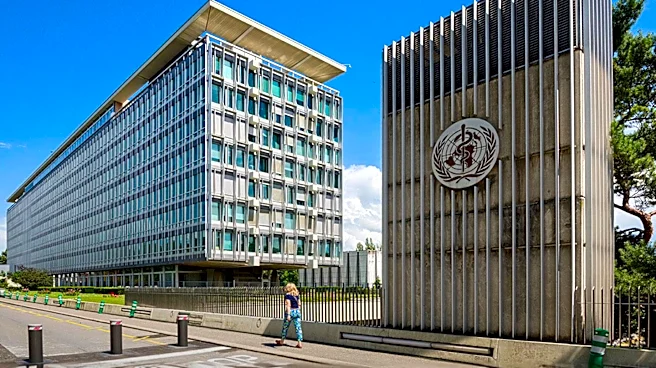
limits on women’s employment and education, which have reduced the number of female health workers and restricted women’s access to healthcare. The World Health Organization (WHO) and other humanitarian organizations continue to urge greater international support to maintain basic medical services and strengthen disease surveillance and outbreak response capacity in the country.
Why It's Important?
The restrictions on women aid workers in Afghanistan have significant implications for the country's healthcare system and the well-being of its population. The closure of health centers and the reduction in female health workers exacerbate the already dire healthcare situation, particularly affecting women and children who rely on these services. The international community's response and support are crucial in addressing these challenges and ensuring that basic healthcare services are available to those in need. The situation highlights the broader impact of the Taliban's policies on women's rights and access to essential services.
What's Next?
International organizations and aid agencies are likely to continue advocating for increased support and intervention to address the healthcare crisis in Afghanistan. The WHO and other humanitarian groups may intensify their efforts to secure funding and resources to reopen health centers and provide essential medical services. The Taliban's stance on women's employment and education will remain a critical factor in determining the future of healthcare access in the country. Ongoing dialogue and pressure from the international community may influence the Taliban's policies and lead to potential changes in their restrictions.