






What's Happening?
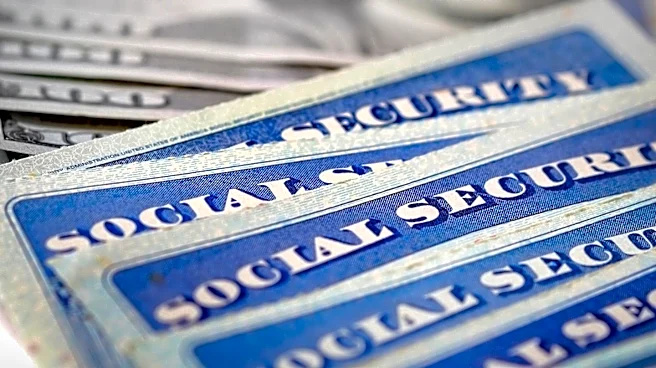
The Social Security Administration (SSA) has outlined specific circumstances under which individuals may be eligible to request a new Social Security Number (SSN). This process is not routinely granted and is reserved for particular situations where the
existing SSN poses significant problems. The SSA details these cases on its official website, emphasizing that while a new SSN can resolve certain issues, it can also introduce administrative and financial complexities. The agency maintains a link between the old and new numbers in its records to ensure accurate tracking of work earnings. Individuals seeking a new SSN must undergo an evaluation process, which includes scheduling an appointment, gathering necessary documentation to prove identity, age, and citizenship or immigration status, and providing justification for the request. An interview with an SSA representative is also required to determine if the situation meets the established criteria for a change.
Why It's Important?
The ability to obtain a new Social Security Number is a critical safeguard for individuals facing severe personal and financial distress due to their existing SSN. For victims of identity theft, a new SSN can be a vital step in mitigating ongoing harm and re-establishing financial security, especially when previous attempts to resolve issues have failed. Similarly, in cases of harassment, abuse, or domestic violence, a new SSN can offer a crucial layer of protection, potentially safeguarding an individual's life. However, the implications of changing an SSN are substantial. A new number can disrupt credit history, making it challenging to access loans, credit cards, or mortgages if previous financial information is not properly linked. It also necessitates updating information with numerous entities, including employers, financial institutions, and government agencies, which can be an arduous administrative burden. The SSA's careful consideration of these requests highlights the balance between protecting individuals and maintaining the integrity and functionality of the SSN system.
What's Next?
Individuals considering a new Social Security Number will need to initiate contact with the Social Security Administration to schedule an appointment and begin the evaluation process. They should prepare to provide comprehensive documentation supporting their identity, age, and citizenship status, as well as detailed evidence justifying their request for a new SSN. This evidence could include police reports for identity theft, legal documentation related to harassment or abuse, or written statements from religious groups for cultural objections. Following the interview with an SSA representative, applicants will receive an evaluation of their situation, including a clear explanation of the advantages and disadvantages associated with obtaining a new SSN. If approved, the individual will be assigned a new number and will be required to cease using their old one, while the SSA will internally link both numbers for record-keeping purposes. The SSA's phone service is available Monday through Friday, from 8 a.m. to 7 p.m., across most U.S. time zones, with a TTY number available for the deaf or hard of hearing.
Beyond the Headlines
The SSA's policy on issuing new Social Security Numbers underscores the profound societal and personal impact of this unique identifier. Beyond its administrative function, the SSN has become deeply intertwined with an individual's financial identity and personal security. The stringent requirements for obtaining a new SSN reflect the agency's recognition of both the potential for misuse and the significant administrative complexities involved in such a change. The policy also highlights the evolving challenges of identity management in an increasingly digital world, where personal data is vulnerable to theft and misuse. The provision for religious or cultural objections to specific numbers or digits points to a broader consideration of individual beliefs and values within governmental administrative processes. This careful approach aims to balance the need for individual protection and privacy with the imperative of maintaining a robust and reliable system for tracking earnings and benefits, ensuring that the SSN remains a cornerstone of U.S. social and economic infrastructure.