








What's Happening?
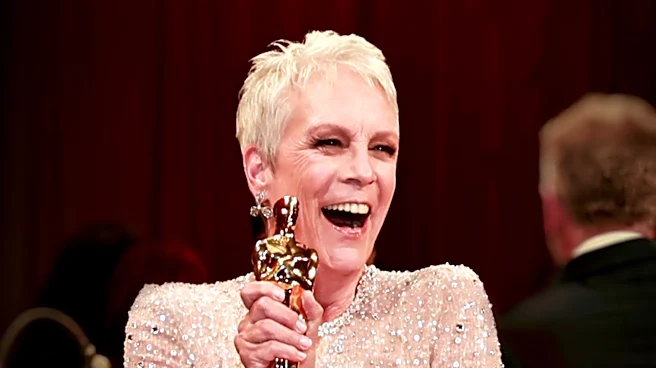
Actress Jamie Lee Curtis has publicly reflected on the 25th anniversary of her friend Katie Westbrook's death from cancer, drawing attention to the perceived lack of advancement in effective treatments for childhood cancer. Curtis shared her sentiments
on Instagram, where she revealed a personal tribute to Westbrook: wearing her friend's wig when discussing children's health. This act serves as a reminder of Westbrook's resilience, humor, and grace during her battle with the disease. Curtis also directed her followers to an essay written by Westbrook's mother, which questions the slow progress in finding cures for the type of cancer that claimed her daughter's life. The actress, known for her roles across various genres, including horror and comedy, has received numerous accolades throughout her career, including an Academy Award and multiple Golden Globes. Her public statement underscores a broader concern about medical research and development in pediatric oncology.
Why It's Important?
Jamie Lee Curtis's public statement is important because it leverages her platform to bring critical attention to a significant public health issue: the slow pace of progress in childhood cancer treatment. By highlighting the 25-year mark since her friend's passing and the continued challenges in this medical field, Curtis is advocating for increased awareness and potentially more funding for pediatric oncology research. This advocacy can influence public perception, encourage philanthropic efforts, and potentially pressure pharmaceutical companies and research institutions to prioritize the development of new therapies for children. The emotional and personal nature of her tribute, particularly the symbolic act of wearing her friend's wig, resonates deeply and can mobilize support from a wider audience. Stagnation in childhood cancer treatment not only impacts the affected children and their families but also represents a broader societal challenge in medical innovation and equitable healthcare resource allocation.
What's Next?
Following Jamie Lee Curtis's public appeal, there could be several immediate and long-term consequences. In the short term, her comments may spark increased media coverage and public discussion around childhood cancer, potentially leading to a surge in donations to relevant charities and research foundations. Advocacy groups focused on pediatric cancer may find renewed momentum and a broader audience for their campaigns. In the longer term, this increased visibility could influence policy discussions regarding medical research funding, potentially leading to legislative efforts aimed at accelerating drug development for rare diseases and childhood cancers. Pharmaceutical companies might face increased scrutiny or incentives to invest more in pediatric oncology. The personal story shared by Curtis could also inspire other public figures to lend their voices to similar causes, creating a cumulative effect that drives greater societal engagement and action towards finding more effective treatments for childhood cancer.
Beyond the Headlines
Beyond the immediate call for progress in childhood cancer treatment, Jamie Lee Curtis's actions touch upon deeper societal and ethical considerations. Her tribute highlights the enduring grief and frustration experienced by families and friends who have lost loved ones to diseases that still lack effective cures, underscoring the emotional toll of medical stagnation. The act of wearing her friend's wig is a powerful symbol of remembrance and a call to action, transforming personal grief into public advocacy. This also raises questions about the allocation of research funds and the economic incentives that drive pharmaceutical innovation; specifically, whether sufficient resources are directed towards diseases that affect smaller populations, such as childhood cancers. It implicitly challenges the medical community and policymakers to re-evaluate priorities and ensure that all patient populations, regardless of size, receive adequate attention and investment in life-saving research. The story also emphasizes the role of celebrity activism in shaping public discourse and driving social change.