







What's Happening?
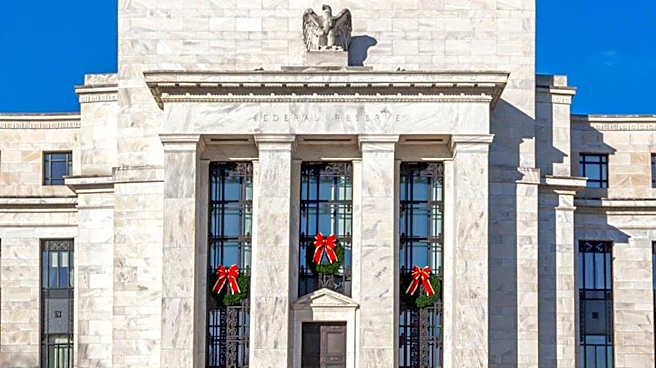
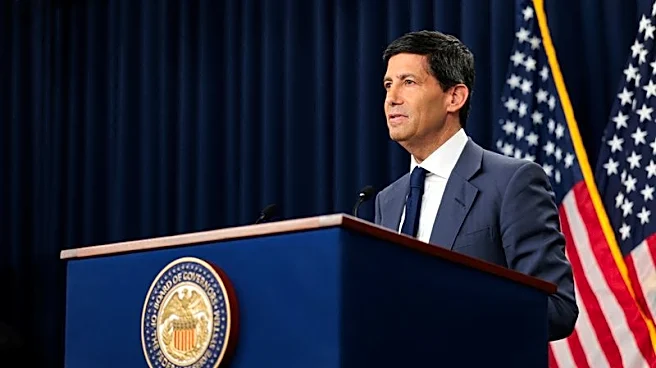
The Federal Open Market Committee (FOMC) of the Federal Reserve has voted 10-2 to maintain the target range for the federal funds rate at 3-3/4 to 4 percent. This decision aims to support the Federal Reserve's dual mandate of maximum employment and price
stability. The Committee also affirmed its policy of maintaining ample reserves within the banking system. The statement noted that economic activity is expanding at a strong pace, with resilient domestic spending, robust capital investment, and strong productivity growth. Job gains have kept pace with the workforce, and the unemployment rate has remained largely unchanged. However, inflation remains elevated, and the Committee emphasized that the accumulation of more information will be crucial in determining the appropriate policy stance to ensure a timely return of inflation to its 2 percent goal. Lisa D. Cook and Beth M. Hammack voted against the monetary policy action, preferring to raise the target range by 1/4 percentage point.
Why It's Important?
The Federal Reserve's decision to hold the federal funds rate steady signals a cautious approach to monetary policy, balancing strong economic growth against persistent inflation. This stability in interest rates provides a predictable environment for businesses and consumers, potentially encouraging continued investment and spending. For U.S. industries, a stable rate can reduce borrowing costs and facilitate long-term financial planning. However, the acknowledgment of elevated inflation indicates that the Federal Reserve remains vigilant and may consider future rate adjustments if price pressures do not subside. The dissenting votes highlight the ongoing debate within the FOMC regarding the optimal strategy to combat inflation without stifling economic momentum. This decision impacts various economic stakeholders, including homeowners with variable-rate mortgages, businesses seeking loans for expansion, and investors who monitor interest rates for their portfolio strategies. The Federal Reserve's commitment to price stability is paramount for maintaining the purchasing power of the dollar and ensuring long-term economic health.
What's Next?
The Federal Reserve will continue to monitor economic data closely, particularly regarding inflation, to inform future monetary policy decisions. The Committee's statement indicates that the accumulation of more information will guide its policy stance to achieve its 2 percent inflation target. This suggests that future meetings could see further adjustments to the federal funds rate, depending on how inflation evolves and how the economy responds to current conditions. Businesses and consumers should anticipate that the Federal Reserve will remain flexible and data-dependent in its approach. Potential reactions from major stakeholders could include continued investment in sectors showing strong growth, while those sensitive to inflation may exercise caution. The Federal Reserve's ongoing policy of maintaining ample reserves in the banking system is also a key component, ensuring liquidity and stability in financial markets. The market will be keenly watching for any new economic indicators or statements from Federal Reserve officials that might signal a shift in policy direction.
Beyond the Headlines
The Federal Reserve's current stance reflects a complex interplay of economic forces, including the lingering effects of geopolitical developments and the resilience of domestic demand. The emphasis on strong productivity growth and robust capital investment points to underlying strengths in the U.S. economy, which could help absorb inflationary pressures over time. However, the persistent elevation of inflation poses a significant challenge, raising questions about the long-term effectiveness of current monetary tools. The dissenting votes within the FOMC underscore the inherent difficulties in navigating a post-pandemic economy characterized by both robust growth and inflationary pressures. This situation could lead to a prolonged period of careful calibration by the Federal Reserve, as it seeks to achieve a 'soft landing' – bringing inflation down without triggering a recession. The broader implications include potential shifts in consumer behavior, corporate investment strategies, and the global economic landscape, as other central banks react to the Federal Reserve's actions.