

What's Happening?
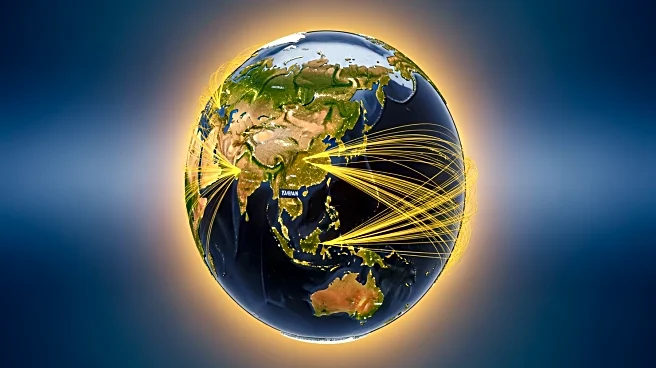
Taiwan is intensifying its trade and economic cooperation with the United States and other democratic nations, as stated by President Lai Ching-te. This strategic move is aimed at reducing reliance on China and enhancing collaboration in areas such as artificial
intelligence, technology, and critical minerals. Recent discussions between senior Taiwanese and U.S. officials have led to agreements on economic security and the Pax Silica Declaration, which focuses on securing AI and semiconductor supply chains. These talks were part of the US-Taiwan Economic Prosperity Partnership Dialogue, which President Lai praised for its positive outcomes. The initiative underscores Taiwan's commitment to working with democratic partners to foster economic growth and prosperity.
Why It's Important?
This development is significant as it highlights Taiwan's strategic pivot towards strengthening alliances with democratic nations, particularly the United States, amid growing tensions with China. By focusing on sectors like AI and semiconductors, Taiwan aims to bolster its economic security and technological advancement. This shift could have substantial implications for global supply chains, especially in the tech industry, where Taiwan plays a crucial role. The move also reflects Taiwan's broader geopolitical strategy to align with countries that share similar democratic values, potentially impacting regional stability and economic dynamics.
What's Next?
Taiwan's continued collaboration with the U.S. and other allies is likely to lead to further agreements and initiatives aimed at enhancing economic and technological ties. The focus on AI and semiconductor supply chains suggests that future discussions may delve deeper into these critical areas, potentially involving more comprehensive trade agreements or joint ventures. Additionally, Taiwan's stance may provoke reactions from China, which views Taiwan as part of its territory. The international community will be watching closely to see how these developments influence cross-strait relations and the broader geopolitical landscape.