






What's Happening?
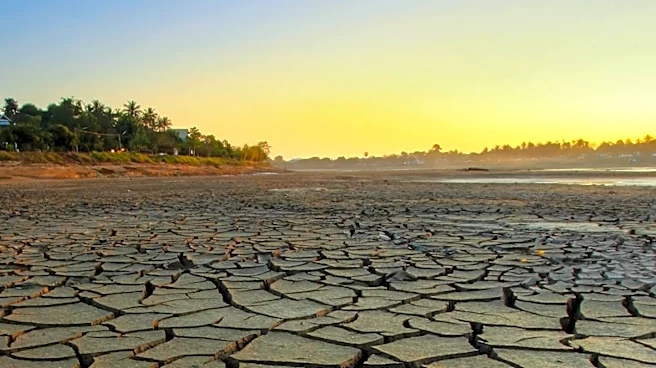
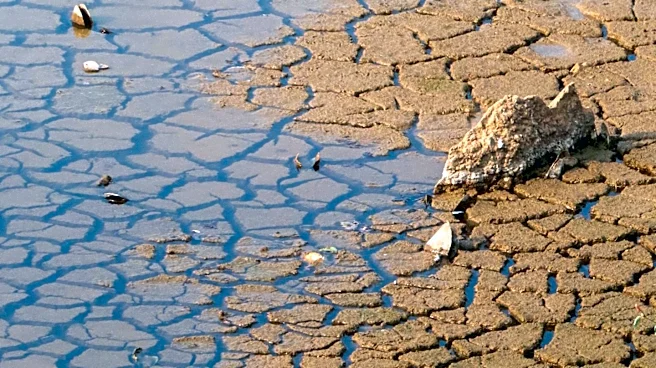
Durham, North Carolina, is facing escalating concerns over persistent drought conditions, prompting city officials to warn residents and businesses about potential stricter water restrictions. Stage 2 water restrictions have been in effect since June
15, prohibiting automatic and hose-end sprinklers and the use of hoses to clean driveways, sidewalks, decks, or buildings. Officials indicate that if conditions do not improve, the city could advance to Stage 3 restrictions. The severe drought is impacting parts of Durham County and much of central North Carolina, marking one year since Durham was initially classified as being in a drought. Keith Lukowski, manager of Durham Garden Center, highlighted that low reservoir levels are a major concern, as municipalities aim to prevent overconsumption of groundwater to compensate for the lack of rainfall. The latest U.S. Drought Monitor update confirms severe drought conditions continue in parts of Durham County, with another update anticipated soon.
Why It's Important?
The ongoing drought in Durham carries significant implications for the local economy and daily life. Businesses reliant on water, such as landscaping services, car washes, and certain manufacturing sectors, could face operational challenges and increased costs under stricter regulations. For residents, the potential for Stage 3 restrictions means further limitations on water usage, impacting property maintenance and outdoor activities. The depletion of groundwater resources, as noted by Lukowski, poses a long-term environmental and economic threat, potentially leading to higher water utility costs and reduced water availability for future development. The situation underscores the vulnerability of urban areas to climate patterns and the necessity for robust water management strategies to ensure sustainability and economic stability.
What's Next?
Durham officials are closely monitoring the drought conditions, with a new U.S. Drought Monitor update expected shortly, which will likely influence decisions regarding further water restrictions. If conditions do not improve, the city will likely implement Stage 3 restrictions, which could entail more severe limitations on water use for both residential and commercial entities. Residents are encouraged to adopt water-saving practices, such as adding organic matter to soil to improve water retention in gardens, as suggested by Lukowski. The long-term outlook suggests that drought impacts could persist through the winter, necessitating continued vigilance and adaptation from the community and city management to conserve limited water supplies.
Beyond the Headlines
The prolonged drought in Durham highlights broader issues of water scarcity and climate resilience in urban environments across the U.S. This situation could accelerate the adoption of drought-tolerant landscaping and water-efficient technologies, driving innovation in sustainable urban planning. Ethically, it raises questions about equitable water distribution and the responsibilities of individuals and corporations in conserving a vital natural resource. Legally, stricter water restrictions could lead to new ordinances and enforcement challenges. Culturally, it may foster a greater appreciation for water conservation and a shift in lifestyle practices, moving away from water-intensive habits towards more sustainable living. The experience in Durham could serve as a case study for other regions grappling with similar environmental challenges.