





What's Happening?
Bahrain's Interior Ministry announced the arrest of 41 individuals allegedly connected to Iran's Islamic Revolutionary Guard Corps. This development comes amid heightened tensions in the Middle East, following a series of incidents involving Iran and
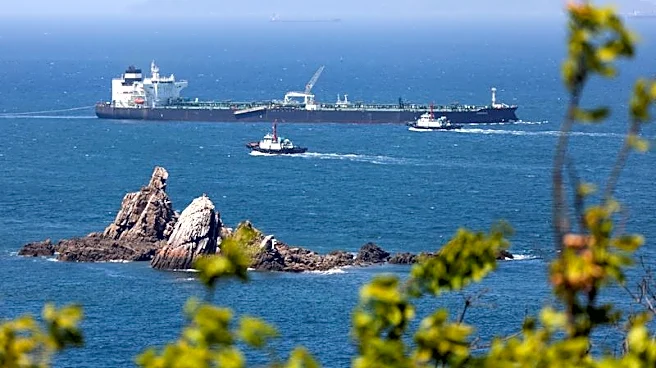
its regional adversaries. The arrests were reported by Bahrain's state news agency, highlighting the ongoing security concerns in the region. The situation is further complicated by recent U.S. military actions, including a strike on Iranian vessels in the Strait of Hormuz, which resulted in several missing persons and injuries. Additionally, the U.S. Treasury Department has imposed sanctions on individuals and companies accused of supporting Iran's weapons program. These actions underscore the complex geopolitical dynamics at play, as various nations navigate the challenges posed by Iran's regional influence and military capabilities.
Why It's Important?
The arrests in Bahrain are significant as they reflect the broader regional efforts to counter Iran's influence and activities. Bahrain, a key U.S. ally in the Gulf, plays a strategic role in maintaining regional security and stability. The involvement of Iran's Revolutionary Guard Corps in regional conflicts and its support for proxy groups have long been sources of tension. The U.S. and its allies view these activities as destabilizing, prompting coordinated efforts to curb Iran's reach. The sanctions imposed by the U.S. aim to weaken Iran's military capabilities and limit its ability to project power through proxies. This development also highlights the ongoing struggle for influence in the Middle East, with Bahrain's actions serving as a reminder of the persistent security challenges faced by Gulf states.
What's Next?
The situation is likely to lead to increased diplomatic and military engagements in the region. Bahrain's actions may prompt further responses from Iran, potentially escalating tensions. The U.S. and its allies are expected to continue their efforts to isolate Iran diplomatically and economically. This could involve additional sanctions and increased military presence in strategic areas like the Strait of Hormuz. The international community will be closely monitoring the situation, as any escalation could have significant implications for global energy markets and regional stability. The ongoing negotiations between Iran and the U.S. regarding the war and other issues will also be critical in shaping future developments.