






What's Happening?
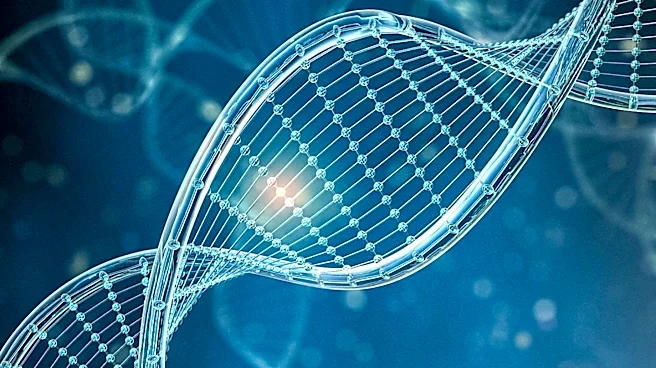
A research team led by QIMR Berghofer has developed a new tool to explore and understand the previously dismissed 'junk DNA' within the human genome. This breakthrough has led to the discovery of thousands of molecules, specifically long non-coding RNA
(lncRNA), that could be crucial for developing new precision cancer treatments. For decades, scientific focus was primarily on the 1-2% of the genome responsible for protein creation, while the remaining 98% was considered non-functional. However, advancements in technology are now revealing the significant role of this vast region. LncRNA molecules are believed to act as 'master' regulators, influencing gene expression and cellular processes. Their elusive nature, being expressed in small quantities in specific cell types or diseases, has made them challenging to study but also ideal candidates for targeted therapies that could selectively eliminate cancer cells without harming healthy ones. Dr. Prakrithi Pavithra, a QIMR Berghofer researcher, emphasized the motivation behind finding new cancer targets, especially given that current treatments are not universally effective and cancer behaves uniquely in each individual. The ultimate goal is to understand cancer biology to identify precise targets for cures.
Why It's Important?
This development is significant for the field of RNA-based medicine, offering a novel approach to cancer treatment. Current cancer drugs primarily target proteins that drive the disease. However, therapies based on lncRNA molecules could intervene at an earlier stage by influencing the genetic programs that dictate protein production. This shift in therapeutic strategy could lead to more precise and effective treatments, potentially reducing side effects by specifically targeting cancer cells. The ability to identify and understand the function of these previously overlooked lncRNA molecules opens up a new frontier in oncology research. It provides a deeper layer of information about cancer biology that was previously inaccessible, creating numerous opportunities for the development of innovative diagnostics and treatments. The potential for highly specific therapies could revolutionize how cancer is managed, offering hope for patients who do not respond to existing treatments and paving the way for personalized medicine approaches.
What's Next?
The newly discovered lncRNA molecules will be continuously added to an atlas as more are uncovered. The immediate next step involves validating each lncRNA discovery through functional experiments to identify the most promising candidates for potential new diagnostics and treatments. The QIMR Berghofer team is actively collaborating with other researchers within the institution to investigate promising lncRNA targets across various cancer types. This collaborative effort has already yielded results, including the recent discovery of an lncRNA molecule capable of fighting the most common form of breast cancer by initiating an immune response. This particular discovery is currently being developed into a potential RNA-based therapy for patients with advanced-stage breast cancer. Further collaborations, such as with Professor Vicki Whitehall, a leading bowel cancer researcher, are underway to understand the functions of lncRNA molecules, highlighting the ongoing commitment to translating these discoveries into clinical applications.
Beyond the Headlines
The re-evaluation of 'junk DNA' and the discovery of its critical role in cellular processes, particularly in cancer, represents a paradigm shift in our understanding of the human genome. For decades, the scientific community largely dismissed this vast portion of our genetic material, focusing instead on protein-coding genes. This new research underscores the complexity and hidden potential within the non-coding regions of DNA, suggesting that many biological mysteries and therapeutic opportunities may lie within what was once considered inert. Ethically, this advancement could lead to more humane cancer treatments with fewer systemic side effects, improving the quality of life for patients. Culturally, it challenges the reductionist view of biological systems, emphasizing the intricate interplay of various genetic components. Long-term, this research could trigger a broader exploration of non-coding RNA in other diseases, potentially unlocking new therapeutic avenues beyond cancer and fundamentally altering our approach to genetic medicine.