



What's Happening?
A new three-year initiative, the Just Transition Unlocked (JUST) project, is set to strengthen waste picker organizations and advocate for their rights to be recognized in the Global Plastics Treaty. This Norad-backed project, a collaboration between
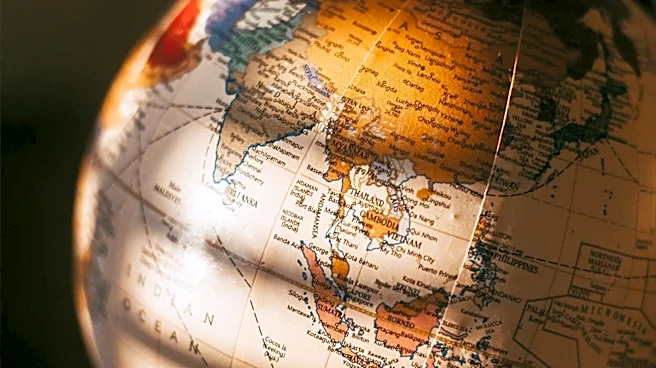
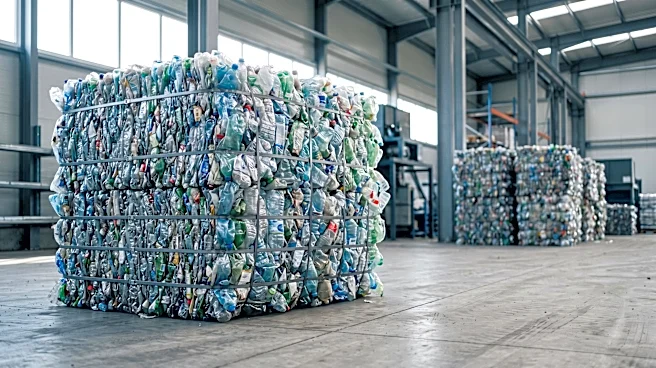
GRID-Arendal, Tearfund, WIEGO, and the International Alliance of Waste Pickers (IAWP), focuses on Kenya, Ghana, and Indonesia. The project, running from September 2026 to June 2029, aims to build evidence for inclusive finance and social protection for waste pickers, enhance their institutional capacity, and develop policy recommendations. Globally, the consortium plans to establish a Global Just Transition Platform to increase waste pickers' participation in policy processes. Waste pickers, estimated to be between 20-40 million worldwide, recover up to 60% of plastic collected for recycling, yet their contributions are often overlooked in policy and research, with fewer than 1% organized into associations.
Why It's Important?
This initiative is important because it highlights the critical, yet often unrecognized, role of waste pickers in the global recycling economy and the fight against plastic pollution. By advocating for their rights and inclusion in the Global Plastics Treaty, the project seeks to ensure that efforts to reduce plastic pollution also advance social justice. The focus on women waste pickers aims to empower those at the forefront of informal recycling, ensuring their representation in decisions shaping the future circular economy. Recognizing waste pickers' contributions can lead to more effective and equitable plastic pollution solutions, potentially influencing how countries, including the U.S., approach waste management and recycling policies. The project's success could set a precedent for integrating informal labor sectors into formal environmental policy frameworks, promoting a more inclusive and sustainable approach to global challenges.
What's Next?
The JUST project will continue its work in Kenya, Ghana, and Indonesia until June 2029, focusing on strengthening waste picker organizations and gathering evidence for inclusive finance and social protection. At the global level, the consortium will actively advocate for the recognition of waste picker rights within the ongoing negotiations for the Global Plastics Treaty. They also plan to establish a Global Just Transition Platform to facilitate greater participation of waste pickers in policy-making processes. The project's outcomes, including policy recommendations and strengthened institutional capacities, are expected to influence governments, businesses, and international institutions involved in plastic pollution and circular economy initiatives. The progress of the Global Plastics Treaty negotiations will be a key factor in determining the immediate impact of these advocacy efforts.
Beyond the Headlines
Beyond the immediate goal of recognizing waste picker rights, this initiative touches upon deeper implications regarding environmental justice and the informal economy. The project underscores the ethical imperative to acknowledge and support the labor of marginalized communities who are crucial to environmental sustainability. It challenges the traditional top-down approach to environmental policy by emphasizing the need for grassroots participation and the integration of informal sectors into formal frameworks. This could lead to a re-evaluation of labor rights and social protections for informal workers globally, particularly in sectors vital to environmental conservation. Furthermore, by demonstrating that reducing plastic pollution and advancing social justice can go hand in hand, the project offers a model for holistic solutions to complex global challenges, potentially influencing future international agreements on environmental issues.