







What's Happening?
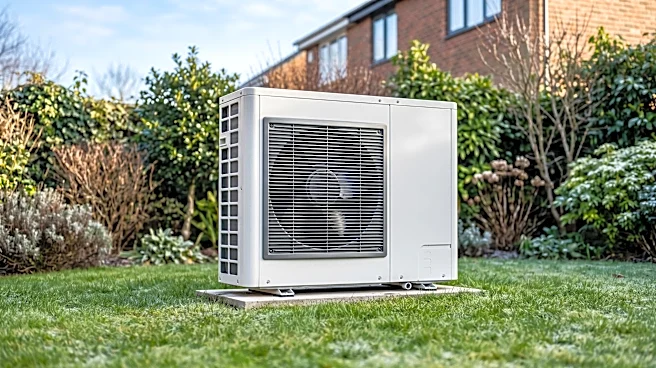
Rhode Island Energy is currently overcharging heat pump owners for electricity, leading to artificially inflated winter bills. The Conservation Law Foundation (CLF) highlights that while heat pumps are designed to save money and reduce carbon emissions,
the utility's pricing structure does not adequately account for seasonal electricity demand. Rhode Island Energy charges customers based on overall energy usage, which includes costs for maintaining infrastructure. Heat pump owners use more electricity, particularly in winter, leading to higher bills. However, the electricity grid experiences less stress in winter compared to summer, when demand peaks due to air conditioning. The CLF argues that the utility's current rates fail to differentiate between peak summer usage, which necessitates costly infrastructure upgrades, and off-peak winter usage, which does not. This discrepancy results in heat pump users paying approximately $900 more per year than they should. The Public Utilities Commission recently approved a new winter rate that will cut delivery charges by an average of $12 per month for households, potentially doubling to $24 for heat pump owners due to their higher usage. However, this seasonal adjustment is temporary and does not address the fundamental flaw in the rate design.
Why It's Important?
This issue is significant because it undermines the economic benefits of adopting heat pump technology, a key component in transitioning to cleaner energy and reducing carbon emissions. When consumers are overcharged for using energy-efficient systems, it disincentivizes the adoption of such technologies, slowing down progress toward climate goals. The current rate structure creates a financial barrier for Rhode Islanders looking to switch from fossil fuel heating to more sustainable alternatives, despite state programs and rebates designed to encourage such transitions. This situation also highlights a broader challenge in the energy sector: the need for utility rate structures to evolve alongside technological advancements and environmental objectives. If utilities do not adapt their pricing models, they risk hindering the very innovations that can lead to lower costs for consumers and a healthier planet. The overcharging disproportionately affects households that have invested in heat pumps, negating the intended savings and potentially creating financial strain for those who embraced the technology for its long-term benefits.
What's Next?
The Public Utilities Commission is expected to consider creating a dedicated heat pump rate, as recommended by engineering experts Switchbox, commissioned by CLF. Before a decision is made, Rhode Island Energy will conduct its own research into how its current pricing structure affects heat pump customers. CLF has committed to monitoring Rhode Island Energy's findings to ensure transparency and prevent the utility from maintaining the status quo. Additionally, Rhode Island Energy and CLF have agreed to collaborate on returning overpayments to heat pump owners, potentially through bill credits this winter. This ongoing dialogue and research aim to establish a fairer and more sustainable rate structure that accurately reflects the cost of electricity usage for heat pump owners. The outcome of these discussions could set a precedent for other states, as CLF is also advocating for similar heat pump rates in Connecticut and exploring involvement in Maine.
Beyond the Headlines
The debate over heat pump electricity rates in Rhode Island extends beyond immediate financial implications, touching upon broader themes of energy equity, climate policy effectiveness, and regulatory adaptation. The current situation reveals a systemic lag in utility rate design, which often struggles to keep pace with rapid technological advancements in energy efficiency and renewable energy. This disconnect can inadvertently penalize early adopters of green technologies, creating a perception that sustainable choices are more expensive, thereby hindering wider public acceptance and investment. Ethically, the overcharging raises questions about fairness and whether utilities are adequately supporting state-level climate goals. Legally, it underscores the role of regulatory bodies like the Public Utilities Commission in ensuring that utility practices align with public interest and evolving energy landscapes. The long-term shift required is a fundamental re-evaluation of how electricity is priced, moving towards models that incentivize efficiency and decarbonization rather than inadvertently penalizing them. This case could serve as a blueprint for how other states can address similar issues, fostering a more equitable and sustainable energy future.