





What's Happening?
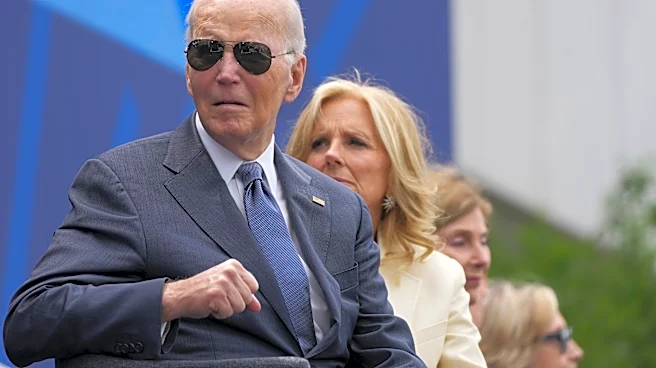
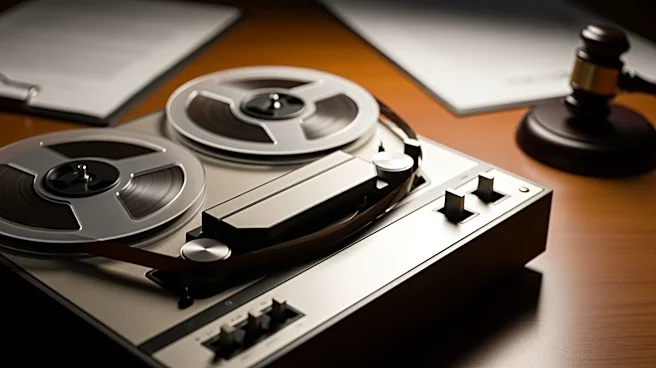
A federal judge appointed by President Trump has denied former President Joe Biden's attempt to prevent the release of audio recordings and transcripts related to an investigation into his handling of classified documents. U.S. District Judge Dabney L.
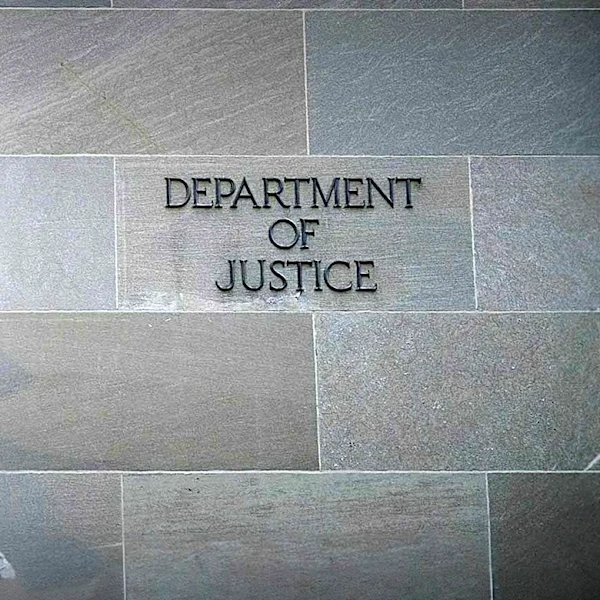
Friedrich ruled that the public has a right to access key evidence behind the Department of Justice's decision not to charge Biden, despite the inclusion of private conversations with his ghostwriter. The Heritage Foundation, a conservative think tank, had filed a FOIA request for these materials, which were used in special counsel Robert Hur’s investigation. Biden's legal team argued that releasing the tapes would invade privacy, as they contain personal discussions, including topics about his late son, Beau Biden. However, the court found that the public interest in understanding the investigation's prosecutorial boundaries outweighed privacy concerns.
Why It's Important?
The ruling has significant implications for privacy rights and transparency in federal investigations. It highlights the tension between public interest and individual privacy, especially concerning high-profile figures. The decision could set a precedent for how private conversations are treated when they become part of federal investigations. For Biden, the release of these tapes could impact his public image, as they may contain sensitive personal information. For the DOJ, this case underscores the challenges of balancing transparency with privacy protections. The outcome may influence future FOIA requests and the handling of sensitive materials in legal investigations.
What's Next?
Biden's legal team plans to appeal the decision to the D.C. Circuit Court of Appeals, seeking to block the release of the tapes. This appeal could lead to a legal showdown over the privacy rights of former presidents. If the appellate court upholds the ruling, it may prompt further legal challenges and discussions about the limits of privacy in federal investigations. The DOJ's timeline for releasing the redacted audio files remains uncertain, pending the outcome of the appeal.