



What's Happening?
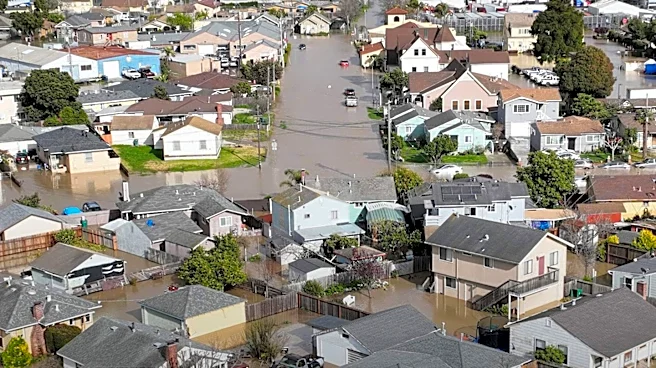
The National Weather Service (NWS) in Louisiana is emphasizing the dangers of flash floods, identifying them as the leading storm-related killer in the United States. A flash flood is characterized by a rapid rise of water along a stream or in low-lying
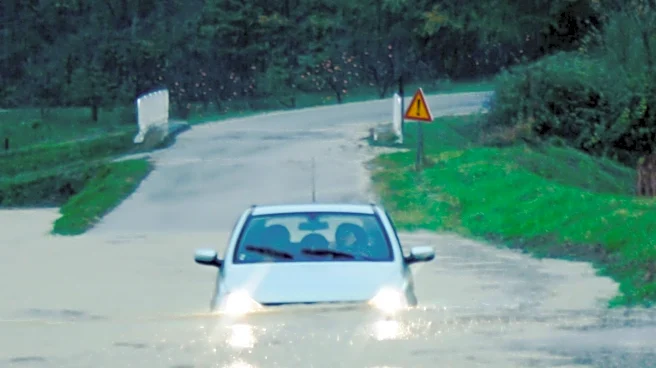
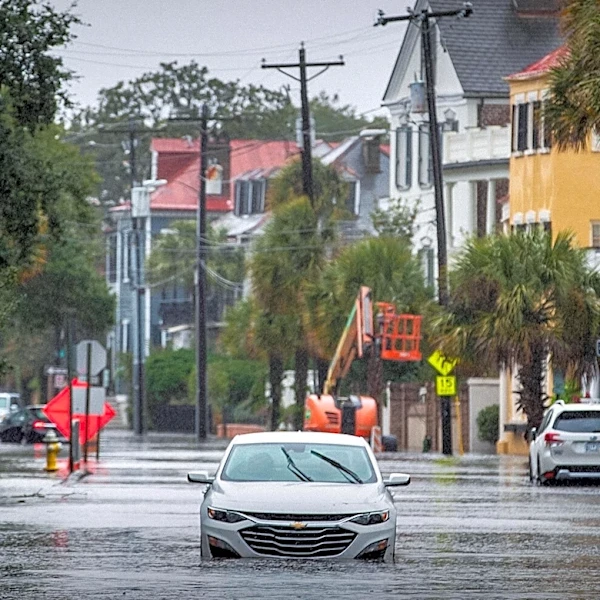
urban areas, often resulting from slow-moving thunderstorms or numerous storms. The primary reason for fatalities is people underestimating the power of water, frequently attempting to drive or walk across flooded roadways. The NWS data indicates that most vehicles can become difficult to control in as little as six inches of water and can be swept away in 18 to 24 inches of water. Nationally, the 30-year average for flood deaths is approximately 127 people per year. Nearly half of all flash flood fatalities are vehicle-related, with the majority of victims being males across all age groups. The NWS stresses that drownings of this nature are entirely preventable by simply avoiding flooded roads.
Why It's Important?
The NWS's focus on flash flood safety is crucial for public awareness and safety in Louisiana and across the U.S. The statistic that flash flooding is the number one storm-related killer underscores the severe threat it poses to communities. The preventable nature of these deaths, particularly those involving vehicles, highlights a critical public education gap. When individuals attempt to traverse flooded roads, they not only endanger themselves but also potentially first responders who may be called to rescue them. The economic impact can also be significant, as flooded roads disrupt transportation, commerce, and access to essential services. Furthermore, vehicle damage from floodwaters can lead to substantial financial losses for individuals and insurance companies. By emphasizing these dangers, the NWS aims to reduce fatalities and injuries, thereby protecting lives and mitigating the broader societal and economic consequences of flash flooding.
What's Next?
The NWS will likely continue its public awareness campaigns, especially during severe weather seasons, to educate residents about the dangers of flash floods. These efforts typically involve disseminating information through various media channels, community outreach programs, and partnerships with local emergency management agencies. The focus will remain on the simple but critical message: 'Turn Around, Don't Drown.' Local authorities may also implement or reinforce road closure protocols during flood events to prevent drivers from entering hazardous areas. Continued monitoring of weather patterns and timely issuance of flood warnings will be essential to provide communities with adequate time to prepare and respond. The ongoing challenge will be to ensure that these warnings translate into behavioral changes that save lives.
Beyond the Headlines
Beyond immediate safety, the persistent issue of flash flood fatalities points to broader challenges in urban planning and infrastructure. Rapid urbanization often leads to increased impervious surfaces, which can exacerbate flash flooding by reducing natural water absorption. This makes urban areas particularly vulnerable to even moderate rainfall. The NWS's data also implicitly highlights the need for improved flood-resistant infrastructure and early warning systems that are effectively communicated and understood by the public. Furthermore, the demographic data indicating that males are the majority of victims suggests a need for targeted messaging that addresses risk perception and behavior across different groups. Addressing these underlying factors, in addition to direct safety campaigns, could lead to more comprehensive and sustainable solutions for mitigating flash flood risks.